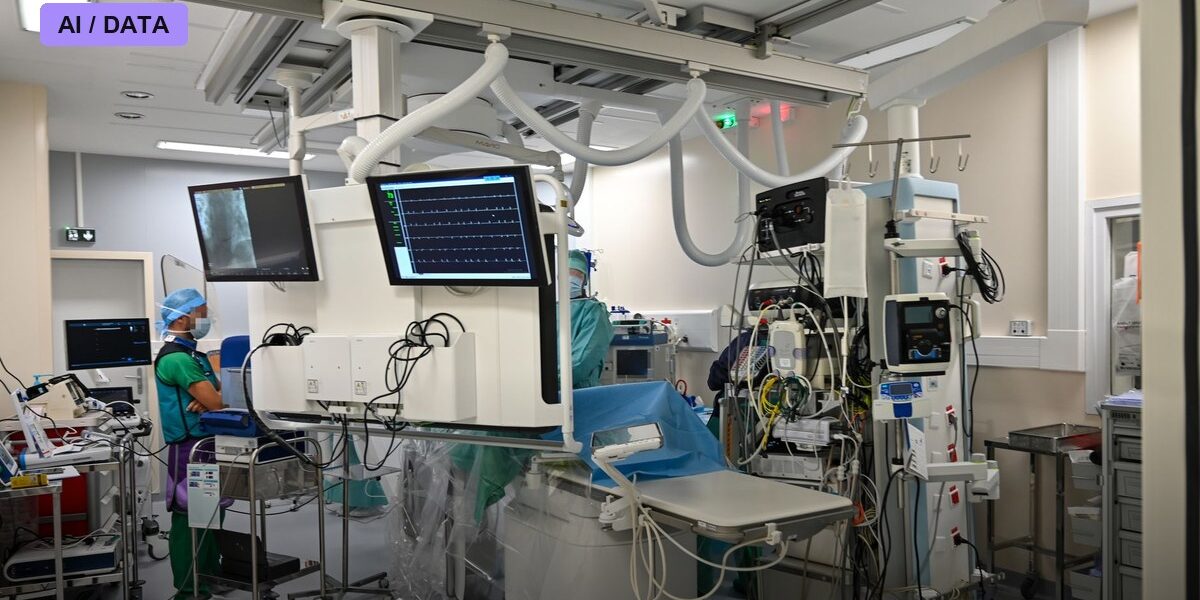
Evident Vascular has received FDA clearance for a new intravascular ultrasound guidance system built with AI integrated directly into the imaging workflow, alongside clearance for accompanying peripheral imaging catheters. The clearance, reported between November 4 and 6, adds AI-assisted vessel imaging to the toolkit interventional cardiologists and vascular specialists use to guide minimally invasive procedures from inside the blood vessel itself.
Why Intravascular Imaging Needs AI Assistance
Intravascular ultrasound lets physicians see the interior structure of blood vessels in real time during procedures like stent placement, offering far more detail than external imaging alone. But interpreting these images accurately under procedural time pressure has historically required significant specialized training, since distinguishing plaque, calcification, and vessel wall layers from ultrasound data is a genuinely difficult visual task even for experienced operators. Evident Vascular’s system uses AI to help process and interpret that imaging data in real time, aiming to reduce the interpretation burden on physicians mid-procedure.
How the AI Component Works
According to the company, the system’s AI is designed to collect user data continuously and use it to improve the imaging experience over time, suggesting a learning system that refines its performance based on accumulated procedural data rather than a static, one-time-trained algorithm. This approach mirrors a broader trend in medical device AI toward systems that improve post-deployment, though it also raises regulatory questions about how the FDA monitors AI models that continue to evolve after initial clearance, an area the agency has been developing specific guidance for in recent years.
The Competitive Landscape in Vascular Imaging
Evident Vascular’s clearance adds competitive pressure to an intravascular imaging market that has traditionally been dominated by a small number of established medical device companies. AI-enhanced features have become an increasingly important differentiator as device makers compete not just on image quality but on how much of the interpretive burden their software can take off physicians, particularly in high-volume cardiac catheterization labs where procedure efficiency directly affects patient throughput and hospital revenue.
Clinical Adoption Considerations
Interventional cardiologists and vascular surgeons adopting new imaging platforms typically require hands-on training before incorporating AI-assisted features into live procedures, given the stakes involved in real-time vessel imaging during invasive interventions. Hospital procurement decisions for this kind of equipment also tend to involve lengthy evaluation periods, meaning FDA clearance represents the starting point for market adoption rather than an immediate shift in clinical practice across catheterization labs nationwide.
What’s Next for Evident Vascular
The company has not detailed a specific commercial launch timeline or pricing structure for the newly cleared system and catheters. Its clearance arrives amid a broader wave of AI-related FDA authorizations across cardiovascular and imaging specialties this month, reflecting growing regulatory comfort with AI-assisted interventional tools as the underlying technology matures and more real-world performance data accumulates across cleared products already in clinical use.
Photo: Stéf -b. / PEXELS via Pexels