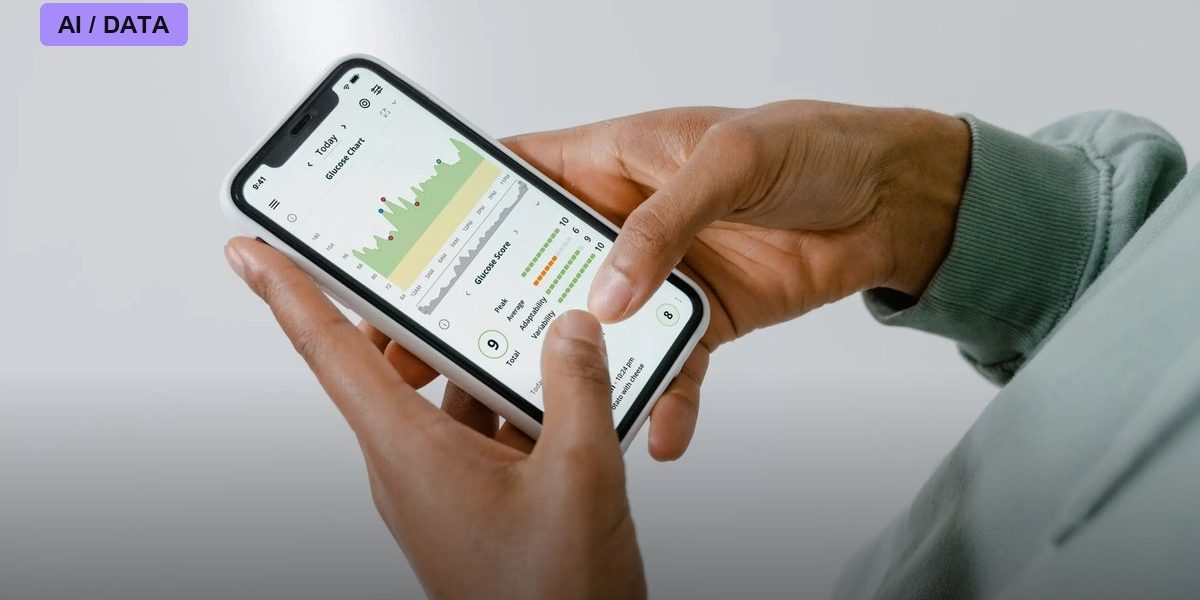
Whoop, the Boston-based wearable maker known for its screenless fitness band, unveiled its biggest platform expansion of the year on May 8, 2026, pairing new generative-AI features with live, on-demand access to licensed clinicians inside its app. The update, announced through the company’s press center and reported by outlets including Business Wire and Yahoo Finance, signals a shift for wearable makers from passive data collection toward active medical guidance.
Whoop has built its business on a subscription model since it dropped hardware fees years ago, betting that members would keep paying monthly for interpretation of their biometric data rather than the sensor itself. The May 2026 update doubles down on that bet by adding services — clinician time, electronic health record access — that are expensive to deliver but harder for free phone-based competitors to copy overnight.
Clinicians Join the App This Summer
Starting this summer, U.S. members will be able to launch live video consultations with licensed clinicians directly from the Whoop app. Those consultations draw on a member’s continuous biometric stream — sleep, strain, recovery, and heart rate trends collected around the clock — alongside medical history, so a clinician can reference months of physiological data rather than a patient’s memory of symptoms. Whoop is also rolling out an electronic health record integration with HealthEx, letting members securely pull diagnoses, medications, and procedures into the same platform where their fitness data already lives.
My Memory and Proactive Check-Ins
The centerpiece of the AI overhaul is a feature called My Memory, a hub where members can add, edit, or delete the personal context that Whoop’s AI coach uses to tailor its advice — things like injury history, travel plans, or training goals. Paired with it is Proactive Check-Ins, which pushes personalized recommendations, such as prioritizing sleep before a big event or adjusting a training block, without the member having to ask. Whoop says the goal is coaching that anticipates needs rather than waiting to be queried.
Voice Journaling and Behavior Trends
Whoop also redesigned its Journal feature so members can log behaviors, supplements, and life events by voice or text, with the AI suggesting entries based on patterns it detects in a person’s data — for example, prompting someone to log alcohol intake if recovery scores dip in a familiar pattern. A new Behavior Trends view visualizes how those logged habits correlate with recovery and strain over time, an attempt to make the platform’s advice legible rather than a black-box score.
Taken together, the features aim to close a gap that has long dogged wearable coaching: members generate mountains of passive sensor data but rarely log the qualitative context — a poor night’s sleep before travel, a new medication, an injury flare-up — that would let an algorithm interpret the numbers correctly. By making logging conversational and low-friction, Whoop is betting members will actually supply that missing context rather than abandon the journal feature, as many fitness-app users historically have.
Executives Frame It as a Membership, Not a Gadget
Ed Baker, Whoop’s chief product officer, described the philosophy behind the update bluntly: “Whoop is a membership, and we take that seriously.” That framing matters commercially — Whoop sells no hardware margin up front, instead charging a recurring membership fee, and has raised more than $950 million in venture capital while shipping its bands to 56 countries. Bundling clinician access and EHR data into that membership is a bid to justify the subscription against free alternatives baked into phones and other wearables.
Skeptics Flag the Limits of Chat-Based Coaching
Not everyone is convinced that voice-logged journals and AI-suggested entries meaningfully change health outcomes. Clinicians and digital-health researchers have repeatedly cautioned that wearable-driven coaching can nudge users toward “orthosomnia” — a fixation on optimizing sleep and recovery metrics rather than genuine well-being — and that consultations built on wearable data still depend on the accuracy of consumer-grade sensors, which sport competing validation studies. Privacy advocates also note that layering EHR access on top of a continuously streaming biometric feed concentrates an unusually sensitive dataset inside a private subscription product, raising questions about how long that data is retained and who can access it beyond the member and their chosen clinician.
There is also a simpler competitive question hanging over the announcement: Apple, Oura, and Garmin all already publish some version of a daily readiness or recovery score, so Whoop’s differentiation increasingly rests on the depth of its coaching layer and the credibility of its clinical partnerships rather than on the underlying sensor hardware, which by most third-party comparisons performs comparably across the leading bands and rings.
What’s Next
Whoop has previewed further updates on its roadmap, including a more accurate heart-rate algorithm, better automatic workout detection, and expanded Strength Trainer features that build full workout routines from a text prompt or an uploaded screenshot. With rivals Oura and Apple both pushing AI-driven health interpretation into their own ecosystems this year, the race among wearable makers is increasingly less about sensors and more about who can turn a stream of biometric numbers into medical-grade, actionable guidance — without regulators or skeptical clinicians calling foul on chatbot-driven health advice.
Photo: Nutrisense Inc / PEXELS via Pexels