Wellysis announced October 8 that its S-Patch CardioAI, an AI-powered ECG analysis software for wearable cardiac monitoring, received FDA 510(k) clearance as a Class II device on September 25 — the latest entry in a rapidly growing list of AI-enabled medical devices that has reportedly reached more than 1,600 total authorizations.
What S-Patch CardioAI Does
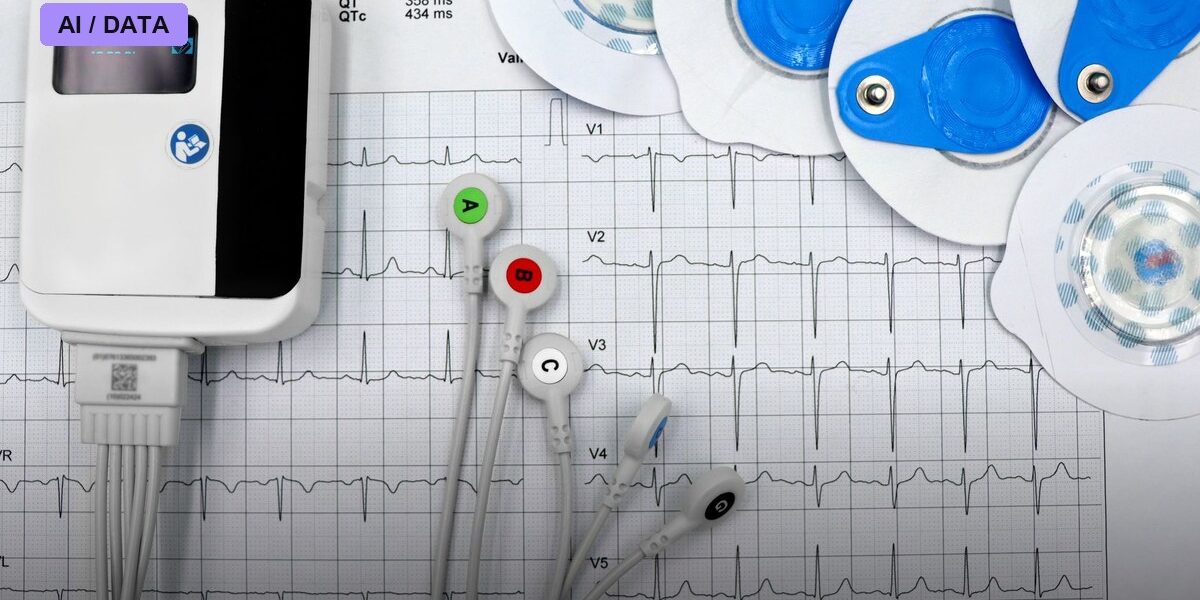
The software analyzes electrocardiogram data collected via Wellysis’s wearable patch monitors, using AI to flag potential cardiac abnormalities for clinician review. The company says the software can be integrated into third-party ECG platforms, positioning it less as a standalone consumer product and more as a component technology that other cardiac monitoring device makers could license and build into their own offerings.
The Regulatory Pathway
The 510(k) clearance pathway, which Wellysis used, requires demonstrating substantial equivalence to an already-cleared predicate device rather than the more rigorous premarket approval process required for higher-risk devices. Of the AI-enabled medical devices on the FDA’s list — reportedly 1,614 as of a recent update — the vast majority, more than 1,500, have gone through this same 510(k) pathway rather than the stricter De Novo or PMA routes, reflecting how most AI medical device innovation currently builds incrementally on existing device categories rather than creating entirely novel ones.
Why Cardiac AI Has Moved Fast
Cardiac monitoring has been one of the most active categories for AI-enabled device clearances, partly because ECG data is well-structured and extensively studied, making it comparatively tractable for AI pattern-recognition compared to messier data types like free-text clinical notes or complex multi-modal imaging. Wearable ECG patches in particular have proliferated as cardiac risk increasingly gets monitored continuously outside clinical settings rather than only during periodic in-office visits.
Regulatory Uncertainty Ahead
Wellysis’s clearance comes as the FDA is actively soliciting public comment, under a discussion paper open until October 19, on how it should regulate generative AI-enabled medical devices specifically — a category the agency acknowledges its existing frameworks, built primarily around more narrowly-scoped pattern-recognition AI like ECG analysis software, may not adequately address. How that policy evolves could significantly affect the regulatory pathway for more complex, generative AI-based cardiac and diagnostic tools now in development.
Market Context
The clearance adds to a fast-growing field that already includes dozens of FDA-cleared cardiac AI tools from both established device makers and newer entrants like Wellysis, a South Korea-based digital health company specializing in wearable monitoring. Competition in cardiac AI has intensified as more companies seek to differentiate on accuracy, integration flexibility, and the breadth of cardiac conditions their software can detect.
What’s Next
Wellysis has not disclosed commercial partnership details for which third-party ECG platforms might integrate S-Patch CardioAI, nor pricing or deployment timelines. The FDA’s pending generative AI device guidance, expected sometime after the October 19 comment deadline closes, will likely shape how the next wave of more advanced cardiac and diagnostic AI tools gets regulated going forward.
Photo: Marta Branco / PEXELS via Pexels