Momentis Surgical, a robotic-surgery company with headquarters split between Fort Lauderdale, Florida, and Tel Aviv, Israel, announced on July 23, 2026 that the FDA cleared its Anovo Surgical System for traditional multiport surgery, the conventional multi-incision technique that anchors most of today’s robotic-surgery market. The clearance makes Anovo the first robotic platform authorized to support all three major minimally invasive surgical approaches, through a natural body opening, through a single incision, and through several small ports, on one machine.
A different design philosophy
Where most robotic surgery systems on the market today were built around the multiport approach and later adapted for single-site procedures, Momentis says it built Anovo in the opposite direction. \”From the beginning, our vision was never to build another robotic system that simply replicated laparoscopy,\” said Momentis CEO Dvir Cohen. The system’s instruments are internally articulated with shoulder-, elbow-, and wrist-like joints, giving them what the company describes as full 360-degree dexterity at the surgical site while keeping the external footprint of the robot compact, since the fulcrum motions typical of other systems are shifted inside the instrument rather than outside the patient’s body.
From transvaginal surgery to the mainstream market
Anovo’s regulatory path has moved in stages rather than a single sweeping approval. The system first won FDA De Novo authorization for transvaginal surgery, then added clearance for single-site transabdominal ventral hernia repair, then gained a robotic camera control feature earlier in 2026. July’s multiport clearance is the broadest yet, opening the door to procedures that make up the bulk of the robotic surgery market rather than the smaller niche of natural-orifice and single-site cases the system started with.
What it means in the operating room
For a general surgeon performing a ventral hernia repair, the clearance means a choice between a single-incision or a multiport route on the same Anovo platform rather than needing a different robot for each. For a gynecologic surgeon, it adds a multiport option alongside the single-site and transvaginal approaches Anovo could already perform. Momentis has positioned the system’s modular design and comparatively lower capital requirements as a way to expand robotic-surgery access to hospitals and outpatient ambulatory surgery centers that might not be able to justify the cost of a dedicated multiport-only system.
Taking aim at an entrenched leader
The announcement lands squarely in a robotic-surgery market long dominated by Intuitive Surgical’s da Vinci systems, which have defined multiport robotic surgery for two decades and remain the default choice in most U.S. hospitals. Momentis chairman Dr. Maurice R Ferré, a veteran of the medical device industry, argued that the market’s future will not look like its past, saying \”the future of robotic surgery will not be defined by a single access technique.\” That is both a pitch to hospital buyers and a direct challenge to competitors who have built their businesses around a single surgical approach.
Reasons for optimism, and reasons to wait
Surgeons who have used flexible, multi-jointed systems point to potential advantages in reaching anatomically difficult areas and reducing external collisions between robotic arms during complex procedures, especially in confined spaces like the pelvis. But hospital administrators and some robotic-surgery specialists note that a new multiport clearance is only the beginning; adoption will depend on training surgeons on an unfamiliar instrument architecture, building a track record of clinical outcomes comparable to established systems, and demonstrating the system holds up across the high procedure volumes that make up daily hospital life, not just controlled early cases.
What comes next
The clearance arrived alongside a wave of other robotic-surgery announcements at the Society of Robotic Surgery’s 2026 annual meeting, part of a broader market that analysts project will grow from roughly $10.6 billion in 2026 to nearly $23 billion by 2035 as AI-assisted features and minimally invasive techniques become more common. For Momentis, the next test is commercial: converting a broadened FDA clearance into actual hospital purchase orders and published outcomes data that can stand up against decades of da Vinci case studies. How quickly surgeons and hospital systems embrace a single robot built to do the job of several will say a lot about whether flexibility, rather than specialization, becomes the next competitive edge in robotic surgery. Momentis has not yet disclosed pricing or a broad commercial rollout timeline for the multiport configuration, and hospital budget committees weighing a purchase will likely want to see peer-reviewed outcomes data directly comparing Anovo cases with established multiport systems before committing capital, a process that typically plays out over the following one to two years as early-adopter centers publish their first case series.
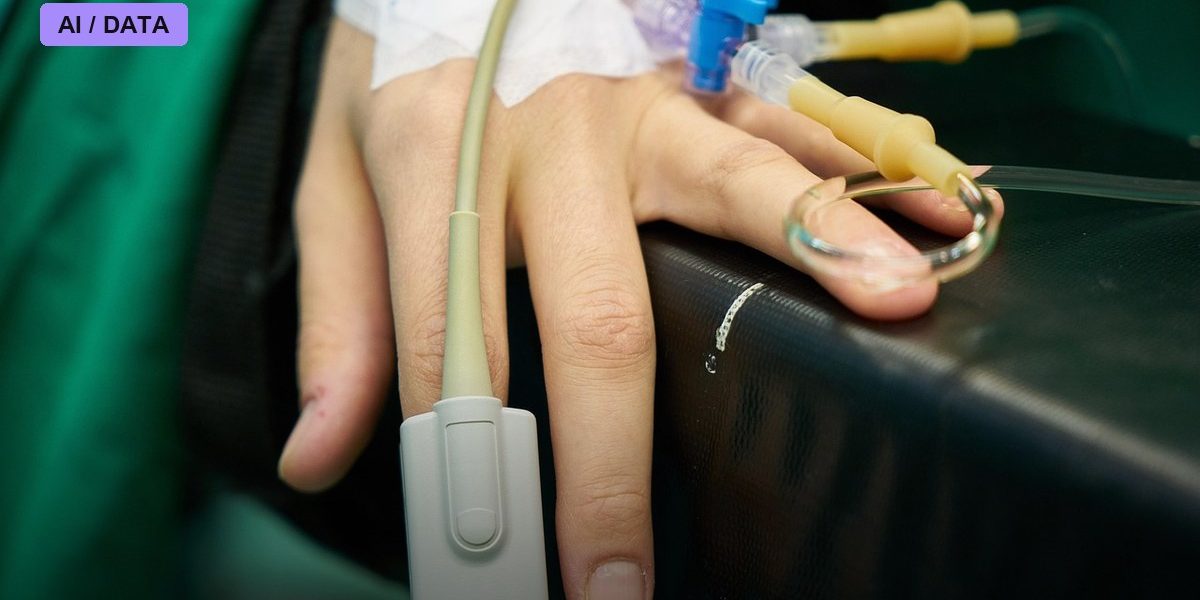
Photo: Engin_Akyurt / PIXABAY via Pixabay