England’s National Health Service began inviting women to the EDITH trial on November 23, a National Institute for Health and Care Research-funded study testing AI-assisted mammogram reading across 30 UK sites, starting in Cambridgeshire. Over three years, the trial could involve close to 700,000 women, making it the largest study of its kind in the world.
How the Trial Actually Works
Standard UK breast screening practice requires two human radiologists to independently read each mammogram. In EDITH, AI software will stand in for one of those two readers, while every image is still reviewed by at least one human expert, according to the NHS. The design is meant to test whether AI can safely take on part of the reading workload without compromising diagnostic accuracy, rather than replacing radiologists outright.
Why This Trial Matters Beyond the UK
Breast screening programs worldwide face a persistent shortage of radiologists capable of reading mammograms at the volume modern screening guidelines demand. A trial at this scale — nearly 700,000 participants — could generate the kind of statistically robust evidence regulators and health systems elsewhere need before approving AI as a genuine second reader rather than merely a triage or pre-screening tool.
Supporting Evidence From Elsewhere
The EDITH trial lands alongside other recent findings suggesting AI’s diagnostic potential extends beyond imaging. A study published in Science found that an AI system correctly identified 83.2% of complex diagnostic cases, compared with 36.1% for generalist physicians working from reference materials alone — though researchers caution further testing is needed to understand real-world performance outside controlled study conditions.
Not Without Skepticism
Radiologists’ professional bodies have historically urged caution about AI replacing human readers, citing concerns about edge cases, dataset bias, and accountability when an AI system misses a cancer a human would have caught. The EDITH trial’s design — keeping a human reader in every case — reflects an attempt to address exactly that concern, testing augmentation rather than full automation.
The Workforce Argument
Proponents argue that even partial AI adoption in screening could meaningfully ease radiologist shortages, freeing specialists to focus on ambiguous or high-risk cases while AI handles more straightforward readings. Critics counter that screening programs introducing AI too quickly risk eroding public trust if early errors surface before the technology has been adequately validated at scale, a risk the three-year EDITH trial timeline is explicitly designed to manage.
What’s Next
Results from EDITH won’t be available for years given its scale and design, but interim data and operational lessons are likely to shape how other national screening programs approach AI adoption in the meantime. Other health systems, including in the US, are watching the trial closely as a potential template for their own AI-assisted screening pilots.
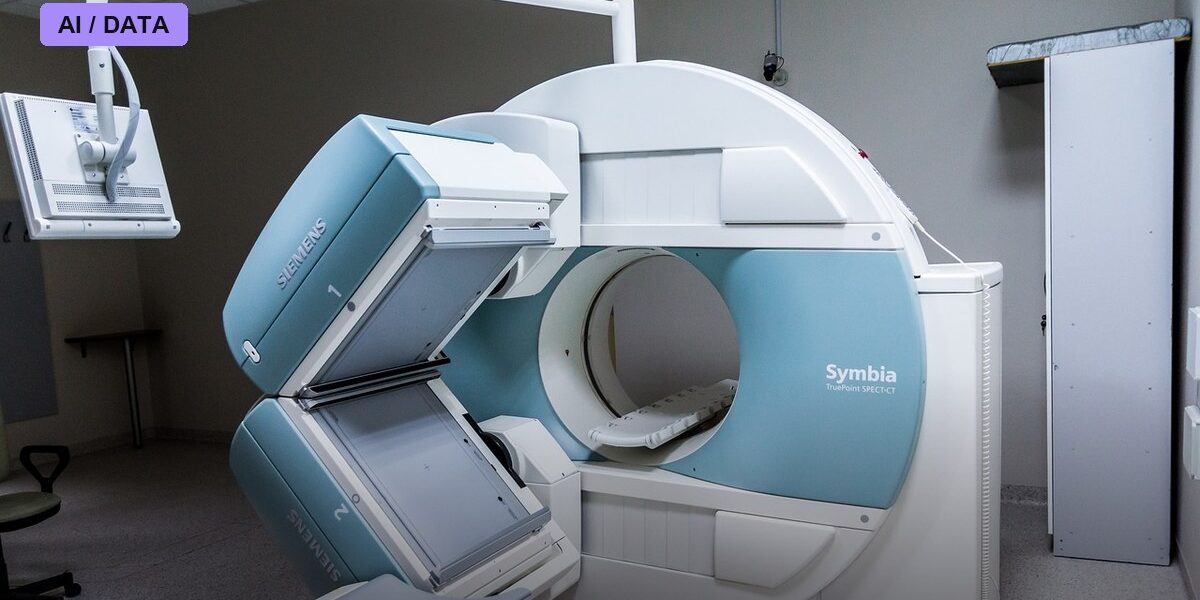
Photo: jarmoluk / PIXABAY via Pixabay