Making music no longer requires an instrument, a studio, or even the ability to read a note. In 2026, AI music tools let anyone turn a text prompt — or a hummed melody — into a finished song, and major industry partnerships are putting AI co-creators into the hands of working artists and hobbyists alike. Composition has been democratized, for better and for more complicated.
From prompt to song
The barrier to creation has collapsed. Tools like Suno, Udio, Soundraw and AIVA can generate instrumentals, beats and full background tracks from simple prompts, while others let users hum an idea and have AI flesh it out. What once demanded years of training and expensive gear is now accessible to anyone with a phone and an idea — a genuine shift in who gets to make music.
AI joins the studio
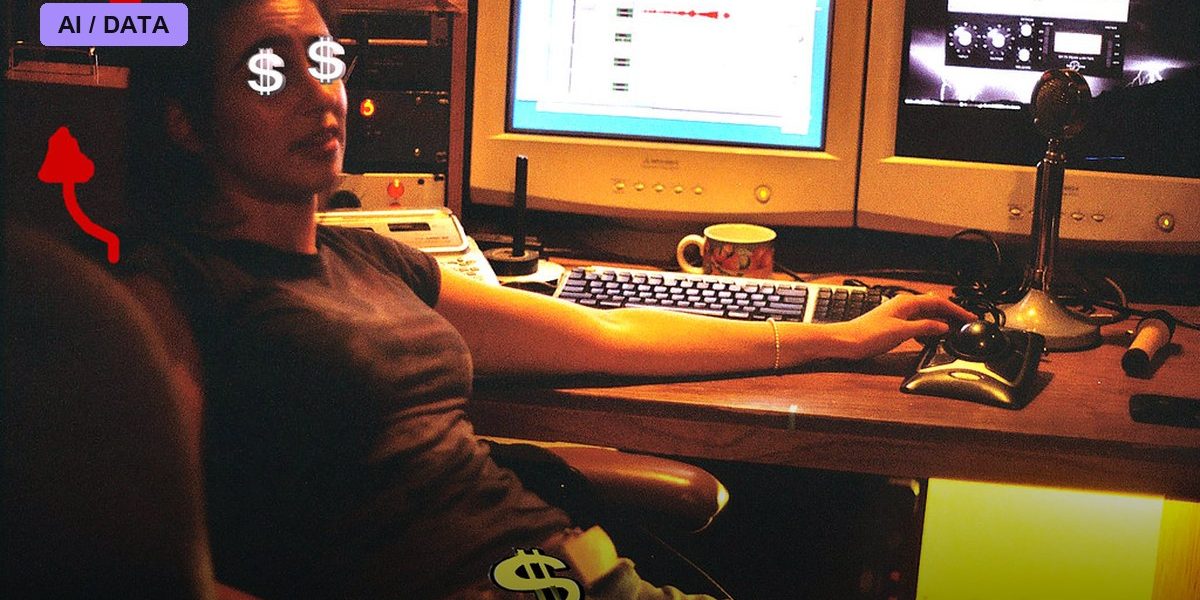
The industry is embracing it, too. A partnership between Google’s Flow Music and Believe equips artists and producers with an AI creative collaborator that helps throughout the process — brainstorming lyrics and melodies, suggesting arrangements, and adding final touches. Rather than replacing musicians, these tools are being positioned as co-creators that accelerate and expand what artists can do.
For hobbyists and creators
The everyday use cases are exploding. Content creators generate custom background tracks for videos, hobbyists craft songs for fun, and small businesses make jingles without licensing headaches. AI music removes cost and skill barriers for the vast middle of people who want original audio but could never commission it — a practical, widely useful application of the technology.
The creative debate
Not everyone is celebrating. The same accessibility that empowers amateurs raises hard questions for professional musicians about devaluation and competition, and fierce disputes continue over training data, copyright and consent. Artists worry about AI-generated tracks flooding streaming platforms and mimicking their styles without permission. The democratization of music creation comes with real tension over fairness and originality.
Human plus machine
The most compelling vision is collaboration. Used as a co-creator — generating ideas, handling tedious production tasks, and freeing artists to focus on vision and emotion — AI can amplify human creativity rather than flatten it. The partnerships emerging in 2026 lean into this framing, betting that the winning model is human taste guiding AI capability, not one replacing the other.
The bottom line
AI music tools have put song creation within reach of everyone, from hummers to hobbyists, while industry partnerships bring AI co-creators into professional studios. It is one of the most striking examples of AI reshaping a creative craft in everyday life. The promise is a world where anyone can make music — and the challenge is doing it in a way that’s fair to the humans who always have.