Walking out of a doctor’s appointment confused may soon be a thing of the past. A new wave of AI patient tools is translating medical jargon in real time, summarizing visits and explaining diagnoses in plain language — helping ordinary people take charge of their own care. Unlike old health apps that just stored data or sent reminders, these tools actively analyze, interpret and explain what is happening to you.
Jargon, translated live
The doctor’s words now make sense. Apps like Hedy translate medical jargon as your physician speaks, suggest follow-up questions to ask and summarize the visit afterward in more than 30 languages. The result is a patient who leaves the room understanding what was said, not guessing.
A coach on your wrist
Wearables are getting smarter. In May 2026, Fitbit Premium was rebranded as Google Health Premium, anchored by a Gemini-powered Health Coach that turns wearable data into personalized fitness plans, sleep insights and medical-record summaries for $9.99 a month. Your watch is becoming a health interpreter.
Help for the hardest diagnoses
Some tools specialize. Outcomes4Me is built for cancer patients, helping them understand a diagnosis, weigh treatment options and manage symptoms. For people facing frightening, complex conditions, an AI guide can turn overwhelming information into clear, manageable steps.
Behind the scenes in the clinic
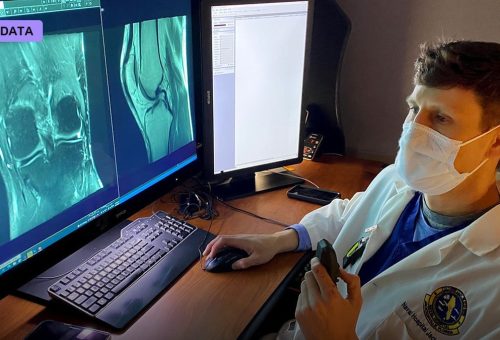
AI is also aiding doctors. By 2026, dozens of diagnostic tools have won regulatory clearance, including software that flags possible strokes on CT scans, screens for eye disease from retinal photos and spots arrhythmias in ECG traces. These act as decision support, not replacements for clinicians.
A booming market
Demand is surging. Analysts project the AI-in-healthcare market to reach $187.7 billion by 2030, growing at nearly 39% a year from a 2024 base of about $26.6 billion. The growth is driven by both clinician acceptance and patients wanting tools that make healthcare easier to navigate.
The cautions
These tools have limits. Patient apps are aids, not doctors, and experts warn against self-diagnosis or skipping professional care. As AI listens in on visits, physicians also face new questions about privacy, accuracy and who is responsible when the software is wrong.
Why it matters
Understanding is empowering. When patients grasp their diagnoses and options, they ask better questions, follow treatment more closely and feel less alone. AI tools that decode healthcare could narrow the gap between confused and confident — a quiet but meaningful shift in everyday medicine.
The bottom line
AI patient tools like Hedy, Google Health Premium and Outcomes4Me are translating jargon, summarizing visits and explaining diagnoses, helping people navigate their own care in 2026. Used wisely alongside doctors, they make medicine clearer. Your healthcare is finally learning to speak your language.