Doximity, the clinical networking and AI platform used by more than 165 U.S. health systems, launched a new feature called DoseCheck on October 29, 2026, built to catch medication dosing errors before they reach a physician’s screen. The launch followed a company study that found popular large language models frequently got drug dosing wrong, including errors severe enough to be classified as potentially lethal, underscoring a tension at the center of the rapid adoption of AI tools in day-to-day clinical practice.
What the Study Found
Doximity’s research team tested nine widely used AI models released in 2026 against more than 8,500 clinical dosing questions spanning more than 2,200 FDA-approved drugs. Across those tests, researchers found that roughly 19.5 of every 1,000 answers, just under 2%, contained an error serious enough to be classified as significant or potentially lethal. Of all the errors the study detected, 13.2% were minor, 43% were significant, and 3.4% were judged potentially lethal, figures Doximity says illustrate how easily a dosing mistake can slip past a confident-sounding AI answer. The company also found that newly FDA-approved drugs carried five times the odds of an error compared with established medications, which Doximity attributes to the smaller amount of real-world safety data available for a model to draw on for recently cleared drugs.
The Most Common Mistake
According to the research, the single most frequent failure mode was not a model inventing a dose out of thin air, but a model failing to adjust an otherwise-correct dose for a patient’s age, kidney function, or known drug interactions, even when that information was explicitly included in the clinical question. In other words, the models often had the right base information but failed to apply it to the specific patient scenario in front of them, a distinction that matters because it suggests the error is one of clinical reasoning rather than missing data.
How DoseCheck Works
DoseCheck operates as an additional safety layer inside Doximity Ask, the company’s existing AI clinical assistant and medical search tool. Rather than using a second large language model to check the first one’s work, Doximity built DoseCheck as a deterministic, rule-based system that cross-references any AI-generated dosing claim against a structured drug database before it is shown to a clinician. Dr. Louis-Antoine Mullie, Doximity’s chief AI researcher, said the goal was to avoid having an LLM double-check another LLM, since a second probabilistic model checking a first one does not eliminate the risk of a shared blind spot. Doximity reports that DoseCheck’s own dosing findings were correct 99.9% of the time in internal testing, though that figure is the company’s own claim and has not yet been independently verified by outside researchers.
Why This Debate Is Happening Now
The timing of Doximity’s launch reflects how quickly AI has moved into frontline clinical use. According to the American Medical Association, more than 81% of physicians now report using some form of AI in their practice, more than double the rate measured in 2023. At the same time, OpenAI and Anthropic have both been expanding further into healthcare-specific products, intensifying competition for a growing market of specialized medical AI tools and raising the stakes for any single tool’s accuracy failures.
A Live Dispute Over Specialized vs. General AI
Doximity’s findings feed directly into an ongoing and unresolved argument in medical AI circles about whether purpose-built clinical tools are inherently safer than general-purpose chatbots. A Stanford and Harvard study that Doximity has publicized found that clinically specialized AI tools consistently outperformed general-purpose models on medical tasks. But the picture is not one-sided: a separate research team published findings earlier this year showing that, in some scenarios, general-purpose AI models actually outperformed specialized clinical tools. Mullie himself cautioned that the failure modes the DoseCheck study uncovered “aren’t unique to dosing,” and that similar reasoning gaps “can show up in other aspects of clinical care,” suggesting the dosing errors are a symptom of a broader reliability question rather than an isolated problem specific to prescribing.
What Comes Next
For now, DoseCheck is live inside Doximity Ask, giving the platform’s clinician users a free, built-in check before they act on an AI-generated dosing recommendation. The bigger unresolved question is whether other medical AI vendors, including the makers of the general-purpose chatbots Doximity’s study flagged for errors, will adopt similar deterministic verification layers, or whether the industry continues to rely on clinicians catching the mistakes an AI model makes on its own. With AI adoption among physicians nearly universal and still climbing, the cost of getting dosing wrong, even in a small single-digit percentage of answers, scales with every additional clinician who comes to trust the technology at the point of care.
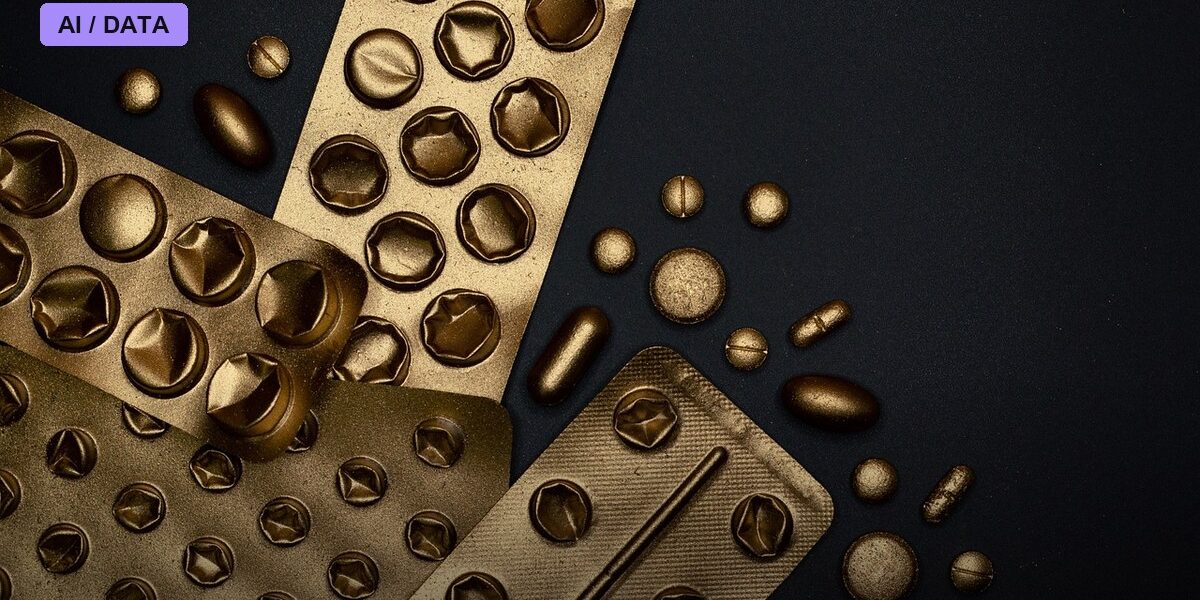
Photo: padrinan / PIXABAY via Pixabay