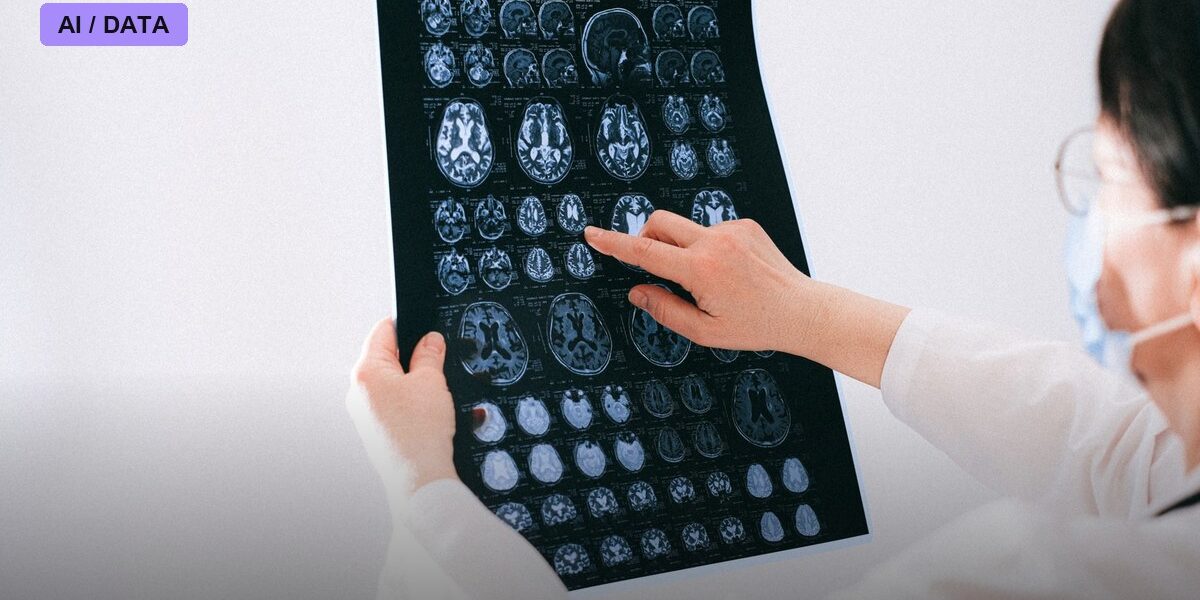
Apollo Hospitals in India has deployed AI tools that read brain scans for stroke severity in roughly two minutes, down from about 60 minutes under traditional radiologist review — a dramatic speed gain in a condition where every minute of delayed treatment can mean permanent brain damage.
Why Speed Is Everything in Stroke Care
Stroke treatment guidelines are built around a concept doctors call the “golden hour,” reflecting the fact that brain tissue dies at a rate of roughly 1.9 million neurons per minute during an ischemic stroke, making diagnostic speed one of the single most important factors in patient outcomes. A diagnostic process that used to take an hour — time during which a patient might be transferred between facilities or waiting for a radiologist to become available — compressed to two minutes represents a meaningful structural change in how quickly treatment decisions like clot-dissolving medication or mechanical clot removal can begin.
How the Technology Works
AI tools for stroke imaging typically analyze CT or MRI scans to detect signs of bleeding, blocked blood vessels, and the extent of affected brain tissue, flagging urgent cases for immediate physician attention and providing a severity assessment that helps guide treatment choices. Rather than replacing radiologists, these systems function as triage and support tools, letting human physicians focus their attention first on the cases the AI flags as most time-sensitive.
India’s Regulatory Response
The rapid clinical adoption of AI diagnostic tools in India has prompted regulatory attention: the Central Drugs Standard Control Organisation released draft guidance classifying most diagnostic AI software as Class C medical devices, a designation that would subject these tools to more rigorous review and approval requirements than lower-risk device categories. That regulatory response reflects a recognition that AI diagnostic tools, despite their clear clinical benefits in cases like Apollo’s stroke imaging program, carry real risks if deployed without adequate validation and oversight.
The Broader Context in Indian Healthcare
Apollo’s stroke AI program fits into a broader pattern of AI adoption across Indian hospital networks, driven partly by the country’s shortage of specialist radiologists relative to its population and partly by hospital systems’ interest in differentiating their emergency care capabilities. For a country where access to timely specialist care varies enormously between urban and rural areas, AI tools that can provide rapid preliminary analysis even where a radiologist isn’t immediately available carry particular significance.
Caution Alongside the Promise
Medical AI researchers caution that speed gains, while clinically meaningful, need to be paired with rigorous accuracy validation, since a fast but inaccurate diagnostic tool could cause harm by either missing urgent cases or triggering unnecessary aggressive treatment for milder cases. The draft CDSCO guidance reflects exactly this concern, aiming to ensure that tools like Apollo’s stroke AI have undergone adequate testing before widespread clinical deployment, even as hospitals push to adopt the technology quickly given its demonstrated time savings.
What’s Next
Watch for how the CDSCO’s Class C classification process affects the pace of AI diagnostic tool deployment across Indian hospitals, since more rigorous approval requirements could slow adoption even as clinical results continue demonstrating clear patient benefits. Apollo’s results will likely be cited by other Indian hospital networks considering similar AI stroke imaging investments, and by global health systems watching how a large, diverse healthcare market navigates the balance between rapid AI adoption and regulatory oversight.
Photo: Anna Shvets / PEXELS via Pexels