Takeda Pharmaceutical has struck two separate AI drug discovery partnerships this year — a roughly $600 million collaboration with Insilico Medicine and a $1.7 billion deal with Iambic Therapeutics — making the Japanese pharma giant one of the most aggressive adopters of AI-driven drug development among major drugmakers.
Two Platforms, Two Approaches
The two deals reflect different technical approaches within the AI drug discovery field: Insilico Medicine’s Pharma.AI platform uses generative AI models to design novel drug candidates from scratch across multiple therapeutic areas Takeda has specified, while Iambic Therapeutics, which recently went public in a $150 million IPO, has focused on AI tools that predict how drug candidates will behave in the human body before expensive wet-lab testing begins. Takeda’s decision to partner with both suggests the company sees value in diversifying its AI drug discovery bets rather than consolidating around a single technology provider.
Why Takeda Is Moving Aggressively
Takeda has faced pressure familiar to much of the pharmaceutical industry: a thinning late-stage pipeline as older blockbuster drugs approach patent expiration, creating urgency to find new drug candidates faster and more cheaply than traditional discovery methods allow. AI-assisted discovery offers a potential way to screen vastly more compound possibilities computationally before committing to the years and hundreds of millions of dollars required for traditional lab-based discovery and trials.
The Competitive Pressure From Rivals
Takeda’s moves come as rivals pursue similarly large AI partnerships — Eli Lilly has signed deals worth up to $2.75 billion with Insilico and additional agreements with firms like Profluent for DNA-editing drug candidates, while AstraZeneca has committed $1.5 billion to a partnership with insitro. The scale and pace of these deals across the industry suggests pharmaceutical companies view securing access to leading AI discovery platforms as a competitive necessity rather than an optional experiment.
The Unproven Payoff
Despite the scale of capital committed industry-wide, no AI-discovered or AI-designed drug has yet received full FDA approval, meaning Takeda and its pharma peers are making substantial financial bets on a development paradigm whose ultimate success rate in late-stage trials remains unknown. Drug development’s historically high failure rate in Phase 3 trials applies regardless of how a candidate was originally identified, leaving open the question of whether AI primarily speeds up the discovery phase or also improves the odds of eventual approval.
Industry Voices on Both Sides
Supporters within Takeda and across the industry argue that even modest improvements in hit rates or discovery speed justify the investment given the enormous cost of traditional drug development, often estimated at over a billion dollars per approved drug when accounting for failures. Skeptics, including some biostatisticians and drug development veterans, caution that AI’s contribution so far has been concentrated in the earliest, cheapest stages of discovery, and that the technology’s real test — whether AI-originated candidates actually succeed more often in expensive late-stage trials — hasn’t yet been demonstrated at scale.
What’s Next
Watch for Takeda to disclose specific drug candidates emerging from both the Insilico and Iambic partnerships as they enter preclinical and early clinical testing, milestones that will offer the first concrete data points on whether this dual-platform strategy is paying off. The broader industry will be watching those same milestones as a proxy for whether the current wave of billion-dollar AI pharma deals represents a genuine paradigm shift or an expensive bet still awaiting its first real validation.
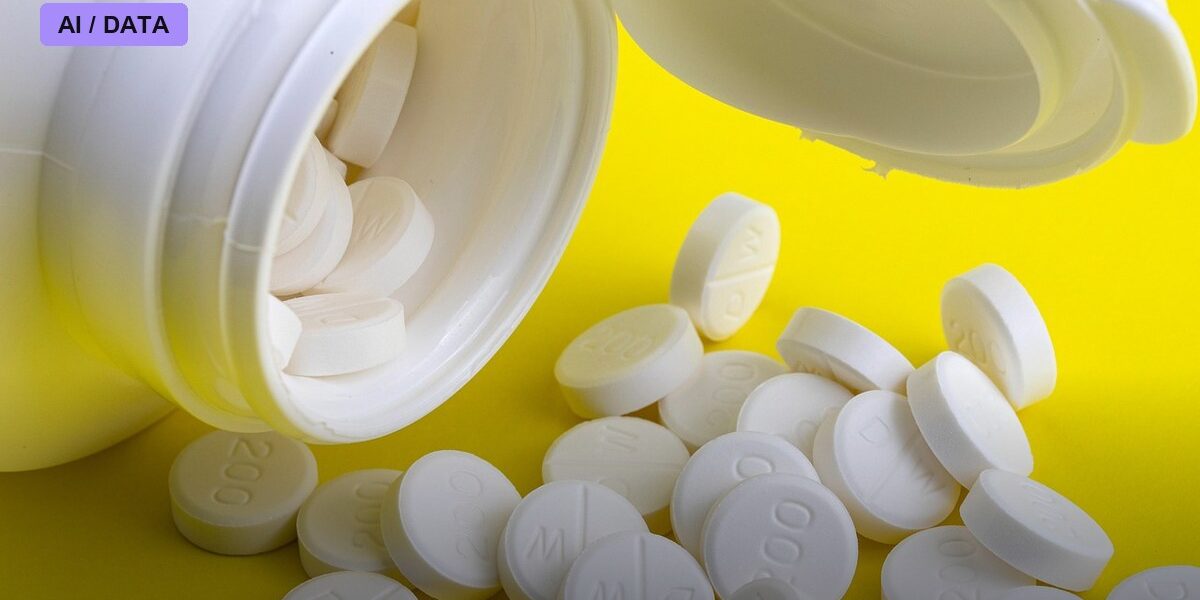
Photo: HeungSoon / PIXABAY via Pixabay