TytoCare has secured a De Novo classification from the Food and Drug Administration for an artificial intelligence system that analyzes otoscopy video to detect eardrum bulging, a hallmark sign of acute ear infections. The clearance, covering what the company calls its Tyto Insights for ENT Suite, marks the first time the FDA has authorized an AI tool specifically built to interpret images of the eardrum, and it creates an entirely new regulatory category for the broader field of AI-driven ear, nose and throat diagnostics.
What the Tool Is Designed to Catch
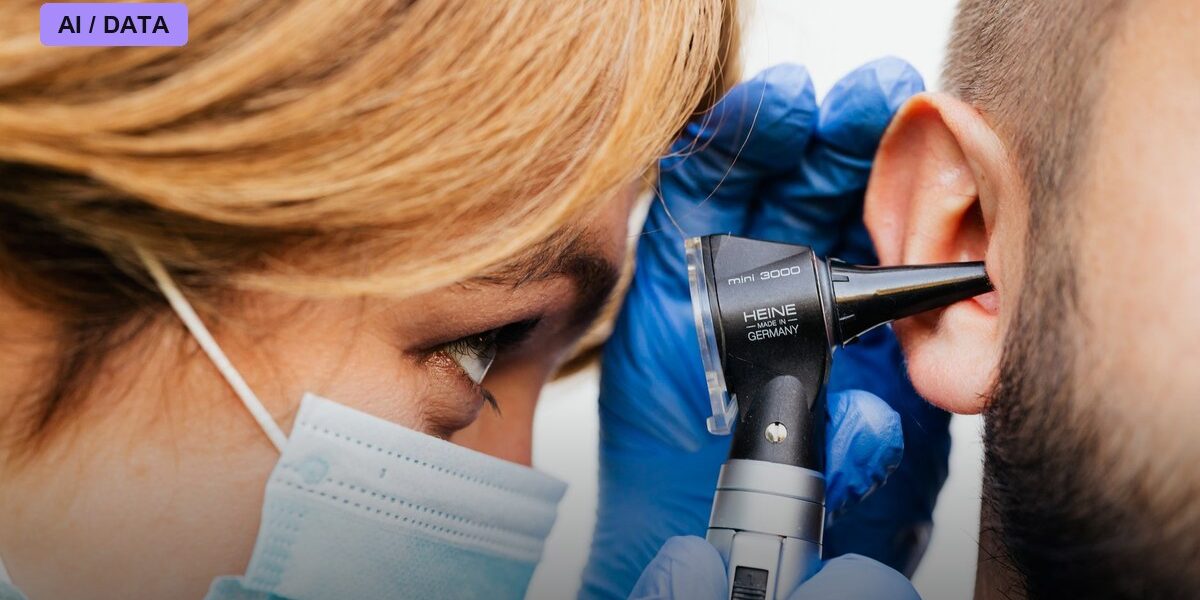
The software analyzes video captured through TytoCare’s compatible digital otoscope and flags bulging of the eardrum, a key indicator of acute otitis media, one of the most common reasons children are brought in for urgent or primary care visits. Rather than replacing a clinician’s judgment, the tool is positioned as a decision-support aid that highlights the finding for a provider reviewing the exam, whether that review happens in person or remotely through a telehealth visit. The company says the system is intended for use in patients as young as six months old, a population where ear infections are especially frequent and where a caregiver often struggles to capture a usable otoscope image without assistance.
A Brand-New Device Category
Because no comparable AI-powered otoscopy analysis tool existed before, the FDA could not clear TytoCare’s product through its standard 510(k) pathway, which requires an existing “predicate device” to compare against. Instead, the agency used its De Novo pathway, creating a new device classification for “ear, nose, and throat image analyzers” and assigning it Class II controls along with a new product code. That designation matters beyond TytoCare itself, since it now gives future AI-powered ENT imaging products, from any manufacturer, a formal predicate to cite when seeking their own clearance, potentially accelerating the path for rivals building similar tools.
The Data Behind the Model
TytoCare says the underlying AI model was trained on a proprietary database of 1.6 million ear images and recordings collected through its existing telehealth and remote-exam platform, which has been used by health systems to support virtual primary care visits for several years. That scale of training data, if independently validated, would represent one of the larger specialized medical imaging datasets assembled for a single diagnostic use case, though outside researchers have not yet published an independent review of the model’s real-world accuracy outside the company’s own submissions to the FDA.
Remote Care and the Push Toward At-Home Diagnosis
TytoCare’s broader business model is built around letting patients or caregivers perform basic physical exams at home using its connected devices, with a clinician reviewing the results remotely, and the company is simultaneously rolling out a “Smart Checkup” feature meant to give patients direct insight into their own lung and ear exam findings. Supporters of this model argue that AI-assisted triage for conditions like ear infections could meaningfully cut down on unnecessary in-person pediatric visits and urgent care trips, particularly in rural or underserved areas where same-day appointments with a physician are hard to get.
What Clinicians Still Want to See
Hearing and audiology specialists reviewing the clearance have cautioned that evidence of the tool’s accuracy and its actual impact on clinical workflows has not yet been established through independent, peer-reviewed studies, since the available data so far comes primarily from the company’s own regulatory submission. There is also some inconsistency in how outlets have described the authorization, with several calling it an “FDA clearance” even though a De Novo grant is technically a distinct marketing authorization rather than a traditional 510(k) clearance, a nuance that matters for how rigorously the underlying evidence has actually been vetted.
What’s Next
With the new device category now established, the more consequential test will be whether TytoCare’s tool, and any competitors that follow it through the same regulatory pathway, can demonstrate consistent diagnostic accuracy once used broadly across different patient populations and exam conditions outside the controlled setting of a regulatory submission. If real-world performance holds up, the clearance could mark the start of a wider shift toward AI-assisted ENT exams becoming a standard part of both telehealth and in-office pediatric care. Rival device makers and telehealth platforms are likely to watch closely for how payers and pediatric practices respond, since reimbursement decisions and clinician adoption rates will ultimately determine whether this new device category becomes a routine part of exam rooms or remains a niche offering confined to TytoCare’s own remote-care network.
Photo: https://kaboompics.com/ / PEXELS via Pexels