A year after its soft launch, Amazon has pushed Alexa+, its generative-AI overhaul of the voice assistant that sits in tens of millions of American living rooms, into a full nationwide rollout, with international expansion now reaching India as of September 16, 2026 under an early-access program. Amazon says customers who upgrade to Alexa+ increase their smart home engagement by nearly 50% in their first month and set roughly twice as many automated routines as they did on the old Alexa, numbers the company is using to argue that generative AI has finally made the smart home live up to its two-decade-old promise.
From Voice Commands to Conversations
Alexa+ replaces Alexa’s old rules-based command parsing with a large language model that can hold a multi-turn conversation, remember context from earlier in the day, and reason about which of dozens of connected devices a vague request like “make it cozy in here” should actually control. Amazon unveiled the assistant at CES 2026 and has since brought device partners including Bosch, Delta, Ecovacs, iRobot, Whirlpool, Yale Home and TP-Link’s Tapo line into the ecosystem, meaning the AI is not just answering questions but directly operating thermostats, locks, vacuums and lighting.
Why Amazon Needed This to Work
The stakes for Amazon are significant: the company has spent years selling Echo devices near cost, betting that voice assistant subscriptions and commerce would eventually make up the difference. Alexa+ is priced free for Prime members and roughly the equivalent of $20 a month for non-Prime customers in the US, a subscription model that only makes financial sense if the assistant is capable enough that people actually rely on it daily rather than treating it as a glorified kitchen timer, which was a common criticism of the original Alexa for years.
The Automation Upside
For households that adopt it, the pitch is straightforward: instead of manually programming a routine for every scenario, users can describe an outcome in plain language and let the assistant figure out the mechanics. Early Amazon data suggests this lowers the barrier that kept many smart home owners from using automation features they had already paid for — devices sitting on shelves or connected but never configured because setting up routines took more technical patience than most people wanted to spend on a Tuesday evening.
The Privacy Trade-Off Critics Keep Raising
Consumer privacy advocates have not been quiet about the cost of that convenience. An assistant that remembers context across a whole day, and that increasingly connects to cameras, locks and health-adjacent devices, is also an assistant that is generating a denser stream of behavioral data about a household than any prior generation of smart speaker. Amazon has faced recurring scrutiny over how long Alexa recordings are retained and who inside the company or its partner network can access transcripts, and critics argue that a more capable, more embedded assistant raises the ceiling on what that data could eventually reveal, even if Amazon’s current policies limit access today.
Competitors Are Racing the Same Bet
Amazon is not alone in wagering that generative AI is the smart home’s second act. Google has been folding its Gemini models into Nest and Assistant, and Apple has faced its own delays getting a more conversational Siri to market, giving Amazon a window to establish Alexa+ as the default before rivals catch up. That competitive pressure is part of why Amazon pushed for a full nationwide rollout rather than a slower, market-by-market expansion, even though the underlying model still makes mistakes often enough that Amazon continues to caveat the assistant as a work in progress.
What to Watch Next
The next twelve months will show whether the engagement numbers Amazon is citing translate into retention, or whether novelty wears off once users hit the assistant’s limits on ambiguous requests or unsupported devices. Amazon has committed to expanding Alexa+ to more than ten additional countries in 2027, a timeline that assumes the current rollout holds up under real-world use rather than controlled demos, and regulators in the EU and UK are already signaling they intend to examine how much household data the assistant collects as it becomes more central to daily routines.
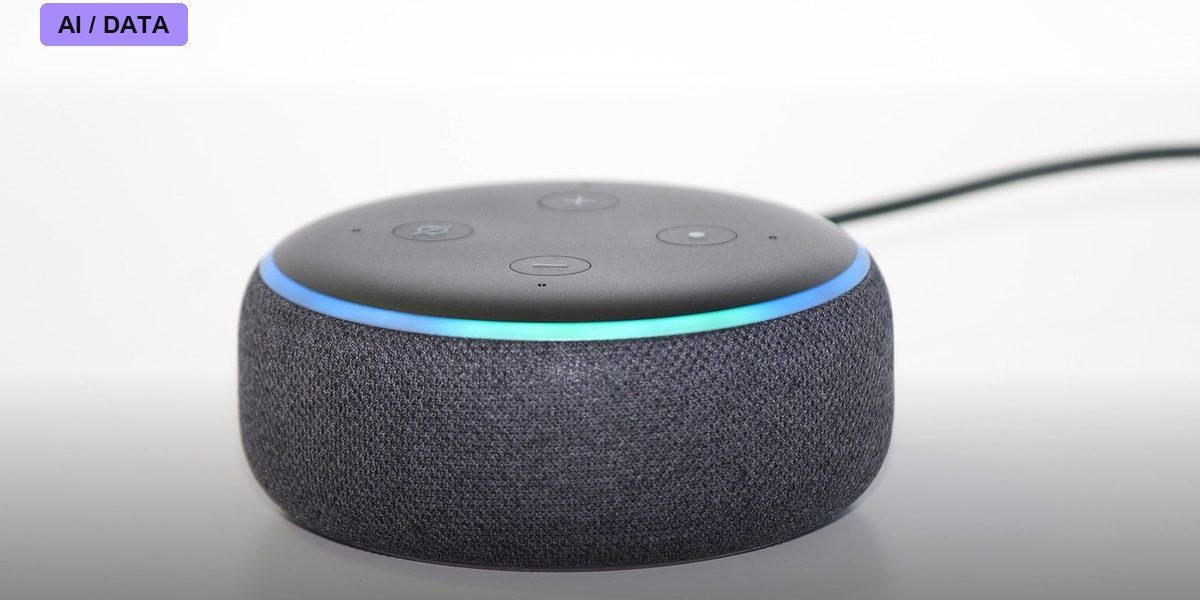
Photo: finnhart / PIXABAY via Pixabay