Boehringer Ingelheim signed an agreement with AI drug discovery company Owkin on September 2 to apply Owkin’s machine learning models to oncology and immunology research, expanding a relationship that began with a smaller pilot project in 2025 into a more substantial collaboration aimed at identifying new drug targets and patient biomarkers.
What Owkin Brings to the Partnership
Owkin specializes in training AI models on federated networks of hospital and research data, an approach designed to let the company learn from sensitive patient datasets across multiple institutions without those institutions needing to share raw data directly, addressing privacy and data-sharing concerns that have limited other AI drug discovery efforts. The company has built partnerships with academic medical centers and pharmaceutical companies across Europe and the US using this federated learning approach.
Why Boehringer Expanded the Relationship
Boehringer’s decision to deepen its partnership with Owkin following an earlier pilot suggests the initial collaboration produced results the German pharmaceutical company found promising enough to justify a larger commitment, though specific outcomes from the pilot phase have not been publicly detailed. Oncology and immunology represent two of Boehringer’s key therapeutic focus areas, making AI-driven target identification in these fields a strategic priority for the privately held drugmaker.
Part of Owkin’s Broader Pharma Partnership Strategy
Owkin has built relationships with multiple large pharmaceutical companies, including Sanofi and AstraZeneca, pursuing a business model that combines pharma partnership revenue with its own internal drug discovery pipeline, a hybrid approach common among AI-native biotech companies seeking to fund expensive model development while building a path toward proprietary drug candidates. The Boehringer deal adds to a growing roster of similar partnerships announced across the industry in recent months.
Technical and Scientific Context
Federated learning approaches like Owkin’s are seen by some researchers as particularly well-suited to oncology, where patient data is highly sensitive and distributed across many institutions, none of which individually has enough cases to train a robust model alone, making collaborative learning techniques potentially more valuable in cancer research than in therapeutic areas with more centralized data availability. Critics note the approach still faces technical challenges around ensuring model performance remains robust when trained on heterogeneous data from different institutions.
How This Fits the Broader AI Pharma Deal Wave
The Boehringer-Owkin expansion is one of numerous AI drug discovery partnerships announced across the pharmaceutical industry in recent months, alongside Zealand Pharma’s deal with Generate Biomedicines and GSK’s partnership with Relation Therapeutics, reflecting an industry-wide scramble to secure access to differentiated AI drug discovery platforms. Each major pharma company appears to be pursuing a somewhat different technical approach by partnering with multiple specialized AI biotechs rather than relying on a single platform.
What’s Next
Boehringer and Owkin are expected to begin applying the expanded collaboration to specific oncology and immunology programs in the coming months, with initial target identification results likely to take at least a year to materialize given the complexity of the federated learning approach. The partnership’s success will be measured in part by whether it produces viable drug targets that advance into Boehringer’s broader development pipeline.
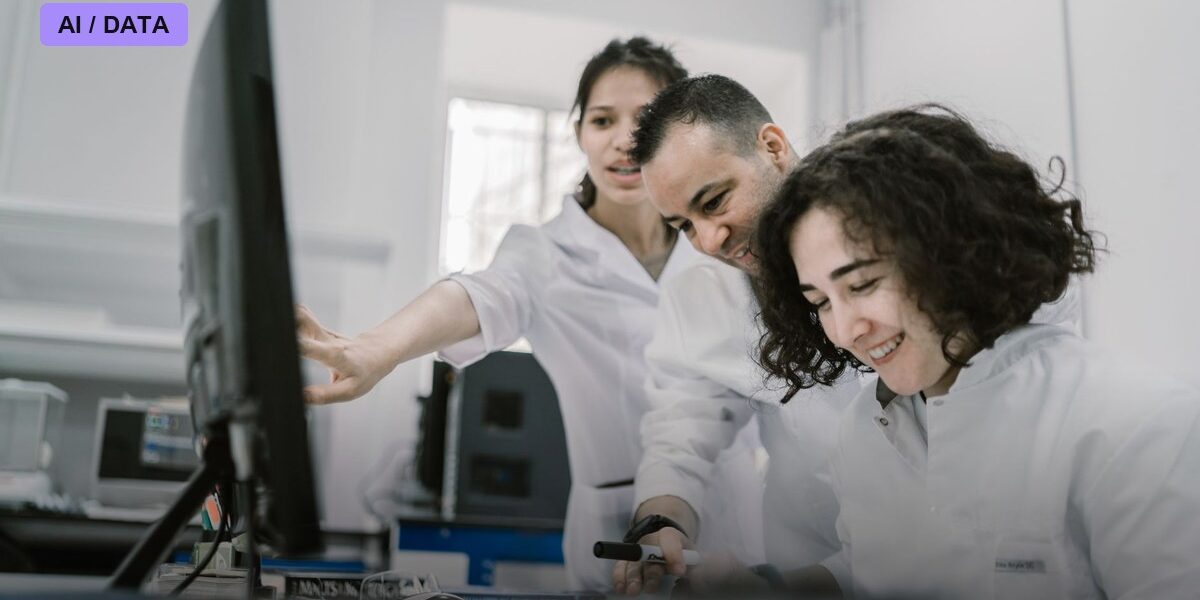
Photo: Mikhail Nilov / PEXELS via Pexels