UpDoc, a digital health startup built around a conversational assistant for people with type 2 diabetes, announced on June 25 that it has FDA clearance for software that delivers insulin dosing instructions directly to patients — a milestone the company bills as the first “patient-facing large language model” cleared as a standalone piece of medical software. The underlying 510(k), filed under number K253281, was actually received by the FDA on September 29, 2025 and cleared on December 23, 2025, classified as a Class II “Calculator, Drug Dose” device under 21 CFR 868.1890. The predicate device the agency compared it against was Hygieia’s d-Nav System, an earlier-cleared tool that performs a similar function: recommending a patient’s next insulin dose based on glucose readings and provider-set parameters.
A Gap Between Doctor Visits
Type 2 diabetes patients on insulin are typically supposed to have their dosing adjusted, or titrated, every few weeks as their blood sugar control changes, but most only see an endocrinologist or primary care provider every three to six months. In the gap, patients are often left guessing, under-dosing out of fear of hypoglycemia or over-dosing in frustration with high readings. UpDoc’s product grew out of a Stanford-run study on voice-based insulin prescription management, published in JAMA Network Open, which the company has described as the clinical root of its conversational approach to closing that gap between visits.
How the System Actually Works
UpDoc is not an autonomous AI doctor. Patients log blood glucose readings, meals, symptoms and medication adherence by voice or text through a conversational interface, but the insulin dose itself is computed in the cloud using deterministic logic built on treatment parameters, glucose targets and safety protocols that a physician configures in advance. The FDA’s decision summary for K253281 specifies that any future updates to the software, allowed under a pre-authorized change control plan, must preserve that deterministic dosing logic and the core clinical decision-making rather than let a generative model freelance on medical judgment. In effect, the conversational layer sits on top of a narrow, physician-bounded calculator rather than replacing the physician’s role in setting the rules.
Funding and Early Deployments
UpDoc has raised $18 million in seed financing to date, the company said in its June 25 announcement, and separately received a strategic investment from the American Diabetes Association’s Innovation Fund, announced June 2. Initial deployments are underway at Cleveland Clinic, Allegheny Health Network and UCSF Health, giving the company footholds in three major health systems as it looks to expand beyond its initial launch partners.
The Case for Letting an App Adjust Insulin
Supporters of patient-facing dosing tools argue that the alternative — leaving patients to self-adjust insulin with no structured feedback between appointments — is itself a safety gap, particularly for patients in rural areas or underserved communities with limited access to endocrinology specialists. A tool that logs daily data, flags concerning patterns and delivers dosing guidance grounded in rules a physician has already approved could, in theory, catch problems weeks before the next scheduled visit, when a missed trend might have already caused an emergency room visit for severe hypo- or hyperglycemia.
Why Some Clinicians Are Wary
Critics have focused less on the underlying math and more on the framing. Coverage of the clearance has noted that the system can generate dosing responses to patients without a mandatory physician review step at the moment of interaction, which worries clinicians accustomed to signing off on every dose change in real time. There is also a narrower technical caveat: the 510(k) summary for K253281 reportedly relied on non-clinical, bench-style testing rather than a randomized clinical trial comparing outcomes against standard care, meaning the clearance establishes that the device performs its calculator function as intended, not that it improves glucose control or reduces hospitalizations in practice. Some regulatory observers have also pointed out ambiguity in whether UpDoc’s June announcement refers to the same insulin-calculator device on file with the FDA or describes a broader LLM product not yet fully reflected in the public clearance record.
What’s Next
UpDoc’s path mirrors a broader pattern among AI health startups seeking FDA clearance: find the narrowest possible, well-precedented function — here, an insulin dose calculator with a direct predicate in Hygieia’s d-Nav — and wrap a more ambitious conversational interface around it, rather than trying to clear a generalized medical chatbot outright. Whether that strategy produces durable, scaled benefit for diabetes patients will depend on what happens as UpDoc grows past its three initial hospital partners: whether other health systems trust a predominantly cloud-computed, physician-configured calculator enough to hand it ongoing dosing conversations with patients, and whether outcomes data — glucose control, hypoglycemia rates, emergency visits — eventually catches up to the regulatory clearance that, for now, rests on bench testing rather than clinical trial results.
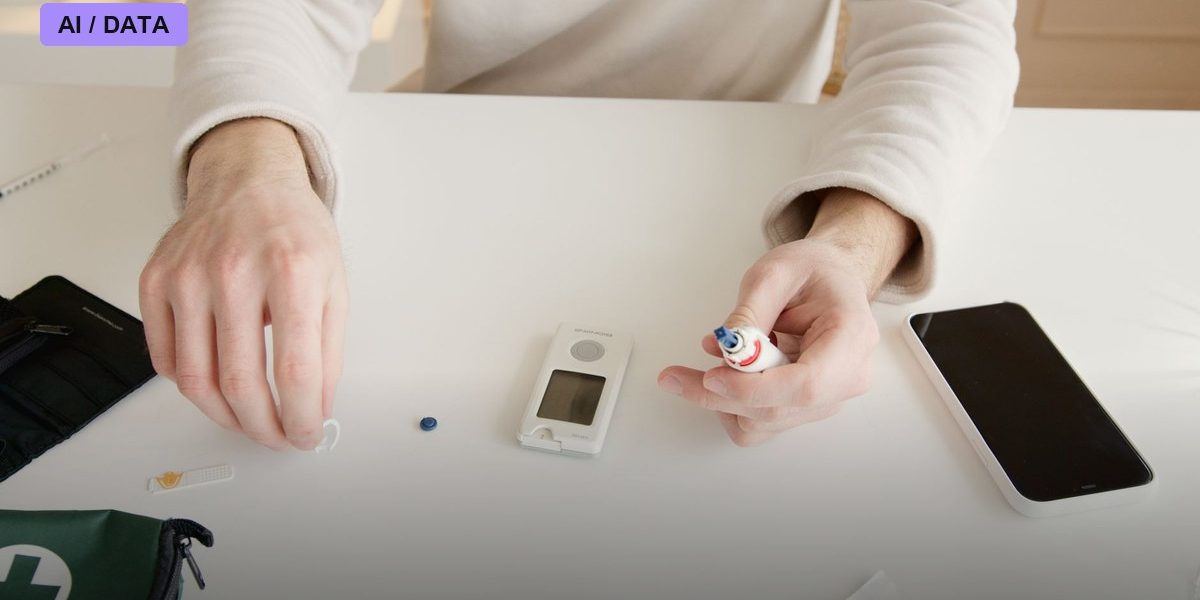
Photo: Artem Podrez / PEXELS via Pexels