A new meta-analysis published in JMIR Mental Health finds that artificial intelligence models analyzing data from wearable devices can detect existing depression with striking accuracy — but are far less reliable at predicting whether someone will develop a depressive episode in the future, underscoring a gap between flashy accuracy statistics and real clinical usefulness. The study, led by researcher Jiawen Liu and colleagues and published in the journal’s 2026 volume (13:e85319), pooled 16 studies covering 32 datasets, 1,189 participants and 13,593 individual data samples gathered from wearable sensors. The review arrives as consumer smartwatches and fitness bands have become some of the most widely owned personal health-data devices in the world, raising the stakes on whether the algorithms layered on top of that data can actually flag mental health conditions reliably, or whether the marketing has outrun the science.
What the Data Shows
Following PRISMA-DTA guidelines for diagnostic-accuracy reviews, the researchers searched PubMed, Embase, Web of Science and PsycINFO from each database’s inception through May 27, 2025, then pooled results using a bivariate random-effects statistical model. For detecting current depression, wearable-based AI models achieved a pooled sensitivity of 0.89, specificity of 0.93 and an area-under-the-curve score of 0.96 — with random forest algorithms performing best of all, hitting sensitivity of 0.89, specificity of 0.91 and an AUC of 0.97. The review’s overall risk of bias was rated low to moderate, and the authors found no evidence of publication bias skewing the results. By comparison, many widely used clinical screening questionnaires for depression are considered strong performers with sensitivity and specificity in the 0.80 to 0.90 range, meaning the pooled wearable-AI detection numbers, at least on paper, rival or exceed tools already used in doctors’ offices today.
How Wearables ‘See’ Depression
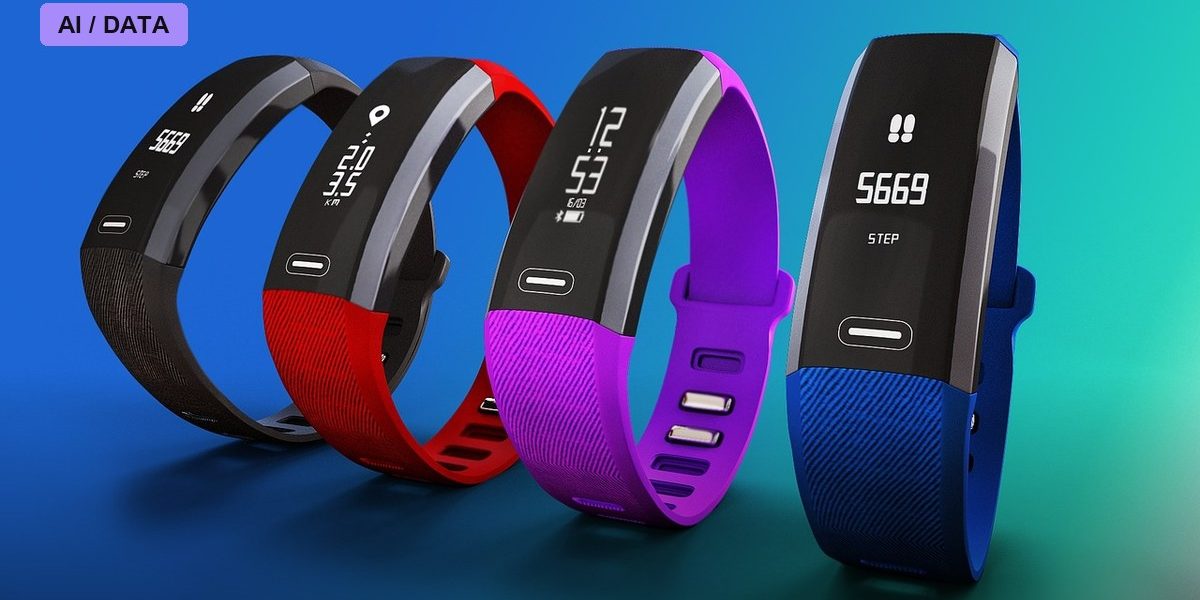
The devices in these studies tracked signals like heart-rate variability, sleep duration and architecture, step counts and activity rhythms, and in some cases skin temperature or phone-use patterns — physiological and behavioral markers long associated with depression, such as blunted heart-rate variability, disrupted sleep and reduced activity. AI models were trained to recognize combinations of these patterns that correlated with a clinical depression diagnosis. The approach builds on a smaller 2023 review in npj Digital Medicine by Ahmed Abd-Alrazaq and colleagues, which looked at 54 earlier studies and found comparable accuracy but concluded the technology was still “in its infancy” and not ready for clinical use — a caveat the new, larger analysis largely reinforces rather than resolves. Three years and several hundred additional data points later, the fundamental signal — that depression leaves a measurable fingerprint on sleep and heart rhythm data — looks more solid, even as the technology’s readiness for everyday clinical use has advanced more slowly than the accuracy statistics alone would suggest.
The Catch: Mostly Lab Data, Not the Real World
The headline accuracy numbers describe detecting depression that a clinician has already diagnosed in curated research datasets — a different and much easier task than predicting a future depressive episode before it happens. On that harder question, the pooled specificity dropped to just 0.65 across the three datasets that attempted it, which the authors describe as only moderate utility. Compounding the concern, the underlying studies relied heavily on retrospective designs and public datasets, were conducted between 2019 and 2023 with often small and demographically narrow samples, and showed considerable heterogeneity in methods — all factors the authors say limit how confidently the results generalize to real-world, everyday use of a consumer smartwatch or fitness band.
Clinicians Urge Caution
Mental health researchers have repeatedly warned that strong numbers from retrospective studies don’t automatically translate into clinical readiness, and this review’s authors echo that caution explicitly, calling for standardized protocols and larger prospective trials before wearable-based depression detection informs real treatment decisions. The stakes of getting it wrong cut both ways: a false positive could trigger unnecessary clinical intervention or anxiety for a healthy person, while a false negative could offer false reassurance to someone who actually needs help. There are also privacy questions baked into the concept itself — continuous biometric monitoring tied to a mental health inference is a different category of data than a simple step count, and the review doesn’t address how such signals should be stored, shared or protected.
What’s Next
The authors are calling for prospective, standardized studies that go beyond public datasets and track people in everyday conditions rather than lab-adjacent research settings, particularly to test whether the technology can genuinely predict episodes rather than just detect ones that have already arrived. Consumer wearable makers including Apple, Samsung and Fitbit have all signaled interest in adding mood and mental-health-adjacent features to their devices, and AI mental health platforms are already expanding their own reach, suggesting the ecosystem around AI-and-mood is forming quickly. But this analysis is a reminder that a 96% accuracy figure describes a retrospective research exercise, not a validated clinical tool — and that the harder, more useful problem of forecasting a depressive episode before it happens remains, for now, mostly unsolved.
Photo: pearlsband / PIXABAY via Pixabay