Doctors treating a critically ill newborn with an ultra-rare genetic disorder turned to an AI tool called the Biomedical Data Translator after rapid genome sequencing identified the underlying mutation but left the medical team without an obvious treatment path, according to reporting published by STAT in May 2026. The AI system searched a vast database of existing compounds and surfaced klonopin, an anti-seizure medication not previously associated with the disorder, as a drug with pharmacological characteristics that could counteract several of the condition’s most debilitating effects.
When Diagnosis Outpaces Treatment
Rapid whole-genome sequencing has transformed how quickly critically ill newborns can be diagnosed with rare genetic conditions, often delivering results within days rather than the months or years families historically waited. But a fast diagnosis does not automatically come with a treatment plan, particularly for ultra-rare disorders affecting only a handful of known patients worldwide, where no pharmaceutical company has ever had commercial incentive to develop or test a targeted therapy.
How the Biomedical Data Translator Works
Rather than searching for a drug developed specifically for the newborn’s condition, the AI tool worked by cross-referencing the disorder’s known biological mechanisms against a massive database of already-approved compounds, looking for pharmacological effects that could offset the disease’s specific symptoms even if the drug had never been tested or considered for that purpose. This drug-repurposing approach has long existed in pharmacology, but doing it manually across the full universe of approved medications is effectively impossible for a physician to do quickly by hand, which is where AI’s pattern-matching speed offers a genuine advantage over traditional literature review.
Part of a Broader AI Push Into Pediatric Rare Disease
The case echoes a separate, larger effort in which researchers from Boston Children’s Hospital, Harvard University and OpenAI used OpenAI’s o3 Deep Research reasoning model to reanalyze 376 previously unsolved pediatric genetic cases, arriving at new diagnoses for 18 of them, an additional 4.8 percent diagnostic yield beyond what human specialists had already found. Together, these efforts suggest AI’s biggest near-term contribution to rare disease medicine may not be replacing genetic sequencing itself, but squeezing more diagnostic and therapeutic value out of data that has already been collected and, in many cases, previously reviewed without success.
Geneticists Urge Caution Alongside the Optimism
Clinical geneticists generally welcome AI tools that widen the net of treatment possibilities for children with few options, but caution that AI-suggested repurposed drugs still require careful clinical judgment before use, since a pharmacological mechanism that looks promising in a database search does not guarantee safety or efficacy in an individual infant. Physicians involved in these cases have generally treated AI suggestions as a starting hypothesis for the care team to evaluate, not a final prescription to act on automatically.
Newborn Screening Is Also Being Reshaped
Beyond individual rare cases, AI is beginning to reshape newborn screening programs more broadly. The European Union-backed Screen4Care initiative, running through September 2026, has applied AI-driven genetic screening to roughly 25,000 infants, while the U.S. Recommended Uniform Screening Panel added tests for Duchenne muscular dystrophy and early-onset metachromatic leukodystrophy in December 2025, reflecting a steady expansion of what conditions get screened for at birth as genomic sequencing costs continue to fall.
What Comes Next for AI and Rare Disease Care
Researchers expect genomic AI tools to keep expanding their role in newborn care, potentially replacing today’s targeted screening panels with integrated systems capable of flagging thousands of rare conditions simultaneously from a single genomic sample. The bigger unresolved question is infrastructure: whether hospitals, insurers and rare disease treatment networks can scale fast enough to act on the flood of AI-identified diagnoses and treatment leads these tools are beginning to generate.
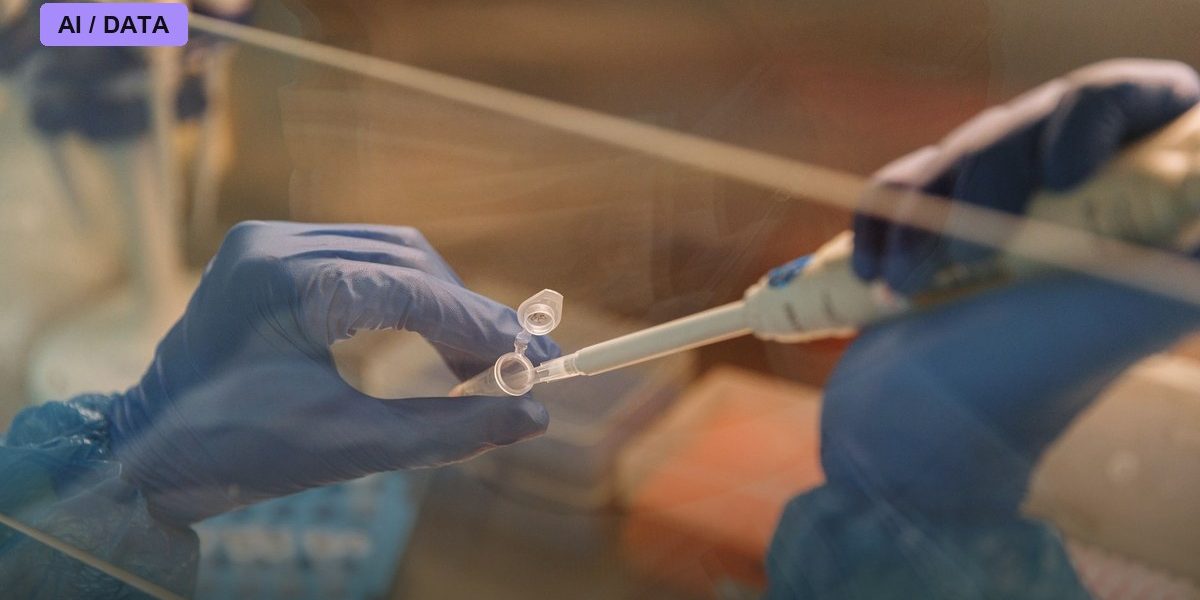
Photo: Thirdman / PEXELS via Pexels