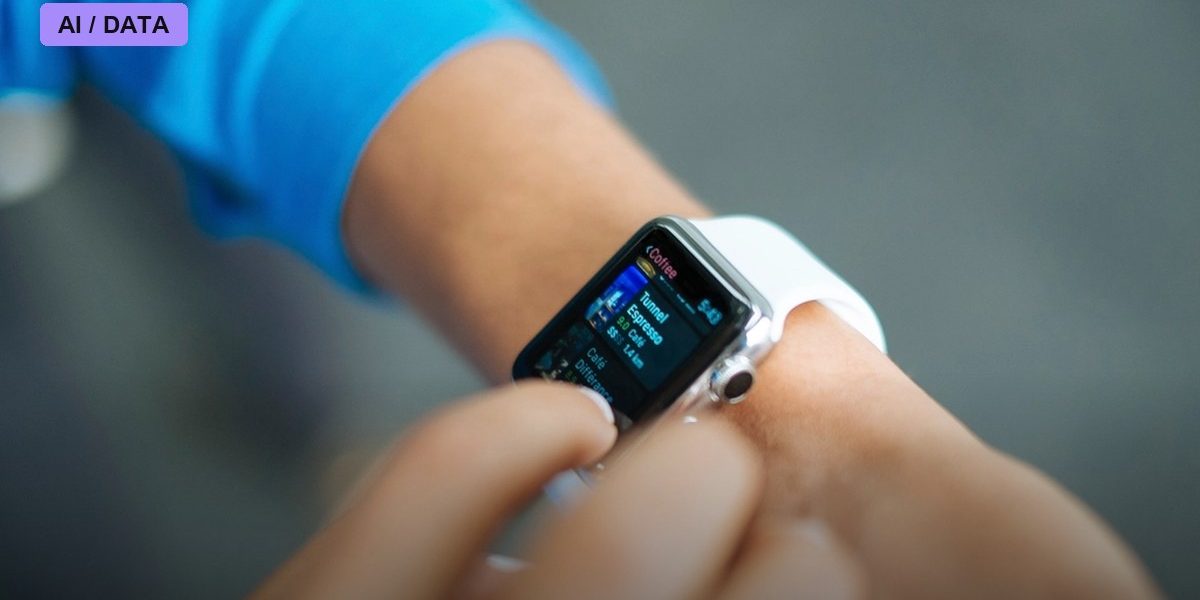
The personal trainer, once a luxury, now fits in your pocket. AI fitness coaches built into platforms like WHOOP, Fitbit and Garmin analyze your workouts, sleep and recovery to deliver personalized training advice in real time. For millions chasing health goals, AI has become a tireless, data-driven coach — reshaping how people exercise, rest and understand their own bodies.
From data to guidance
Wearables made the body measurable; AI makes the data useful. Devices track heart rate, sleep, strain and recovery, and AI turns those numbers into clear, actionable guidance — when to push, when to rest, and how to train smarter. Instead of raw stats, users get tailored recommendations that adapt to how their body is actually responding.
Personalized coaching
The advice is individualized. AI coaches analyze your patterns and adjust training plans to your fitness level, goals and recovery, much like a human trainer would, but continuously and at no extra cost. Some suggest rest days based on poor sleep or high strain, helping users avoid burnout and injury while steadily building progress.
Recovery and sleep
Rest is finally getting its due. AI wellness tools emphasize recovery and sleep as much as exercise, using data to flag when the body needs to recharge. By making recovery measurable and actionable, they shift the culture from grinding harder to training intelligently — a meaningful change in how people approach fitness.
The accessibility win
The barrier has dropped. Professional coaching has always been expensive and out of reach for most, but AI brings personalized, adaptive guidance to anyone with a wearable or an app. That democratization helps more people train effectively and safely, lowering the cost and complexity of pursuing better health.
The cautions
The technology has limits. AI guidance is only as good as the data it reads, and sensors can misjudge; recommendations may not suit everyone, especially those with medical conditions. It is a powerful aid, not a substitute for professional advice when it matters, and users should listen to their bodies alongside the algorithm.
The bottom line
AI fitness coaches are reshaping workouts, turning wearable data into personalized training, smarter recovery and accessible guidance for everyday users. By putting an adaptive coach in everyone’s pocket, they make effective, safer exercise far more attainable. The technology isn’t a replacement for human expertise or common sense — but as a daily training partner, AI is changing how millions move, rest and stay healthy.