Adjustable-bed maker Ergomotion launched its AI-powered Sleep Assist app for iOS on August 1, 2026, with Android availability following in mid-August, turning beds built on the company’s RIO Eco sensor platform into overnight health monitors that generate a daily sleep score and let users ask an AI assistant plain-language questions about their own sleep data.
From CES Preview to Nationwide Launch
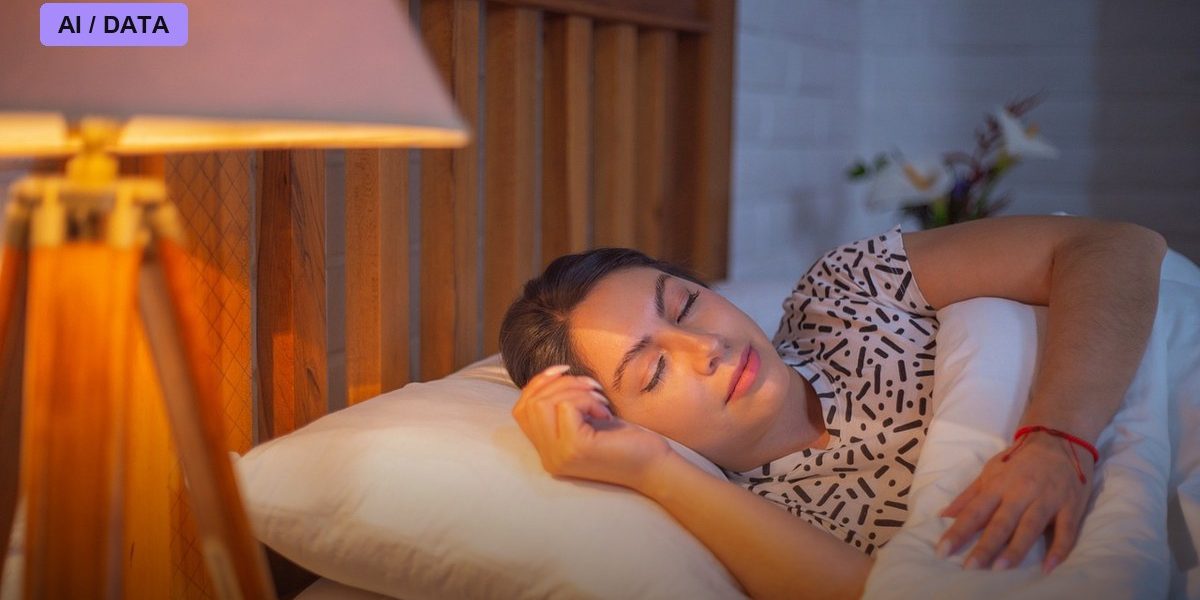
Ergomotion first unveiled Sleep Assist at CES 2026 in Las Vegas in early January, part of a wave of AI-driven wellness products at the show. The app is compatible with select adjustable smart beds built on the company’s RIO Eco platform, which pairs non-contact biometric sensors embedded in the bed base with mechanical features like head-and-foot articulation, active pillow tilt, lumbar support and sonic massage. Unlike wearable-based sleep trackers, the system requires nothing on the user’s body — the sensors sit under the mattress and read movement, heart rate and breathing through the bed frame itself.
What the Sensors Pick Up and What the AI Does With It
The bed’s built-in sensors track total sleep time, heart rate, respiratory rate, movement and snoring throughout the night. The app’s centerpiece is an integrated AI Sleep Assistant that lets users type or speak questions in plain language — asking, for instance, why they woke up three times overnight — and get a personalized answer generated from that individual’s own sleep report rather than a generic tip. The app is free to use with no subscription required, a notable departure from most sleep-tracking wearables and apps, which increasingly gate detailed insights behind monthly fees.
The Technology Behind Contactless Sleep Tracking
Non-contact sleep sensing in mattresses typically relies on a mix of pressure-mapping strips, millimeter-wave radar tuned to detect chest movement during breathing, and piezoelectric sensors using ballistocardiography — a technique that measures the tiny physical vibrations a body produces with every heartbeat. That approach has existed in medical and research settings for years, but only recently has it become cheap and reliable enough to embed at consumer price points inside mass-market adjustable beds, according to industry trade coverage of the smart-mattress sector.
An Industry Betting Big on Intervention, Not Just Monitoring
Ergomotion’s launch lands amid what industry publications are calling a shift from passive monitoring to active intervention in the sleep tech market, which trade estimates put on pace to reach roughly $32 billion globally by the end of 2026. Instead of just telling a user they slept poorly, next-generation smart beds are increasingly designed to act on that data in real time — automatically adjusting firmness, elevation or massage settings mid-night based on detected sleep stage or snoring patterns, a capability competitor products like the Stareep S3 Pro, a 2026 CES and TWICE Picks Award winner, have also built into their 16-zone adjustable frames.
Reasons for Both Optimism and Caution
Supporters of bed-embedded sleep AI argue it solves the biggest adoption problem with wearable sleep trackers: compliance. A ring or watch only works if someone remembers to wear it every night, while a sensor built into the mattress captures data automatically with zero extra effort. Skeptics, including some sleep medicine researchers, caution that consumer-grade contactless sensors still lag behind clinical polysomnography in accuracy, particularly for detecting sleep stages, and that a subscription-free app generating AI-written health interpretations needs to be clear about the limits of what a mattress can actually diagnose versus simply describe.
What’s Next for AI in the Bedroom
Ergomotion’s free-app strategy suggests smart mattress makers see the software layer as a way to differentiate and retain customers on top of one-time hardware sales, rather than as its own revenue stream, at least for now. Expect competitors to respond with their own always-on AI assistants layered atop existing bed sensors, and watch for whether any of these platforms eventually pursue FDA clearance for specific medical claims, following the path smart rings and watches have taken toward regulated sleep-apnea risk detection, rather than staying in the unregulated wellness category indefinitely.
Photo: MARXCINE / PIXABAY via Pixabay