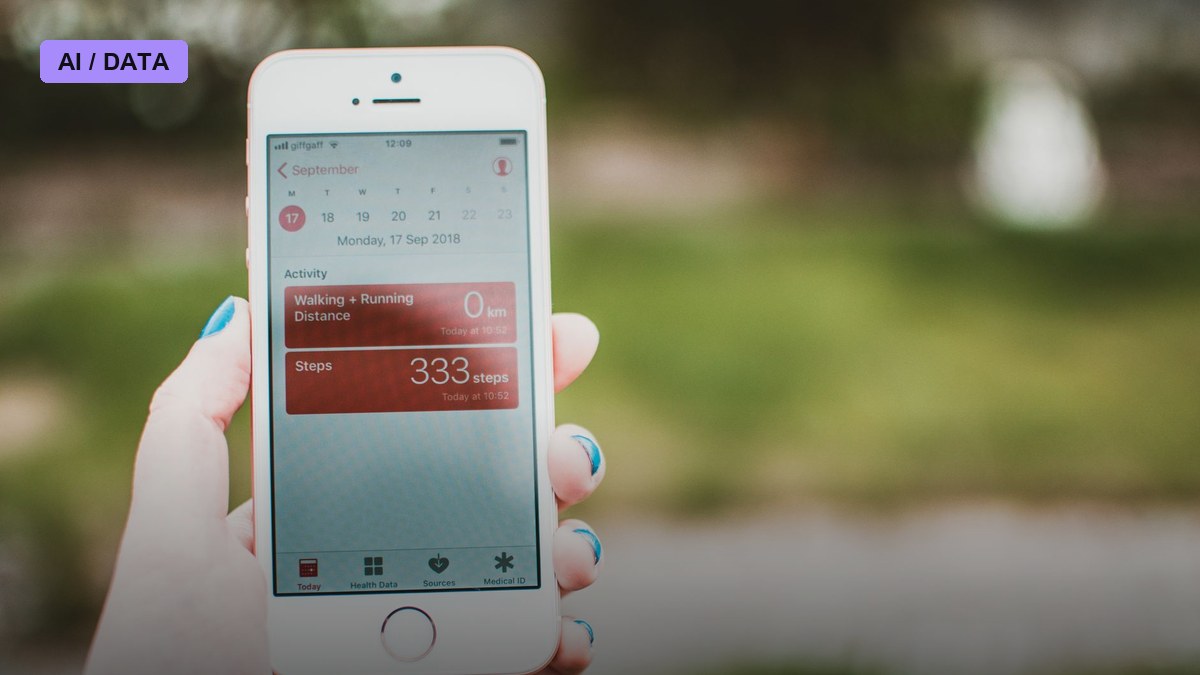
Corporate wellness platform WellRight announced WellChat on November 24, an AI assistant built into its employee wellness software that’s designed to help workers navigate their benefits, due to launch January 1, 2027. The company has been explicit that WellChat does not diagnose conditions or give medical advice, instead pointing users toward the benefit resources their employer already provides.
What WellChat Is Designed to Do
Rather than functioning as a health advisor, WellChat is positioned as a navigation tool — helping employees understand and access workplace wellness benefits that often go underused simply because workers don’t know they exist or how to enroll. The AI assistant answers questions about available programs and routes employees toward appropriate resources, a narrower and arguably lower-risk use case than clinical AI tools attempting diagnosis or treatment recommendations.
Why Companies Are Drawing This Line
WellRight’s careful framing reflects a broader pattern among workplace AI health tools: avoiding anything that could be construed as medical advice limits liability exposure and sidesteps regulatory requirements that apply to diagnostic or treatment-related AI systems. By explicitly scoping WellChat to benefits navigation, the company can deploy the tool more quickly without the clinical validation processes required of diagnostic AI.
The Bigger Picture on Workplace Wellness AI
WellChat’s launch comes amid growing use of AI for mental health and wellness support more broadly. A University of Bath study found roughly one in four surveyed students had used generative AI for mental health support in the prior six months, with usage notably highest among students reporting very low wellbeing — a pattern that raises both opportunity and concern about vulnerable populations turning to AI tools outside clinical oversight.
Employer Incentives at Play
Employers have strong financial incentives to improve benefits utilization, since underused wellness programs represent sunk costs with no return in employee health outcomes or retention. An AI assistant that simply helps employees find and use benefits they’re already entitled to is a comparatively low-risk way to capture more value from existing wellness spending, without the complexity of deploying AI for actual health decision-making.
Skeptical Voices
Some workplace health advocates question whether narrowly scoped benefits-navigation AI tools can meaningfully move the needle on employee wellbeing compared with more substantive interventions, arguing that the bigger barriers to wellness program use are often structural — time constraints, cost-sharing, or stigma — rather than simply not knowing what’s available. Others worry that even carefully scoped AI tools could inadvertently stray into advice-adjacent territory in practice, regardless of how the product is marketed.
What’s Next
WellChat’s January 1 launch will be an early test of how enterprise customers and employees respond to AI tools explicitly scoped away from medical advice, and whether that narrower positioning proves sustainable as competing wellness platforms consider their own AI features with potentially broader scope.
Photo: kirill_makes_pics / PIXABAY via Pixabay