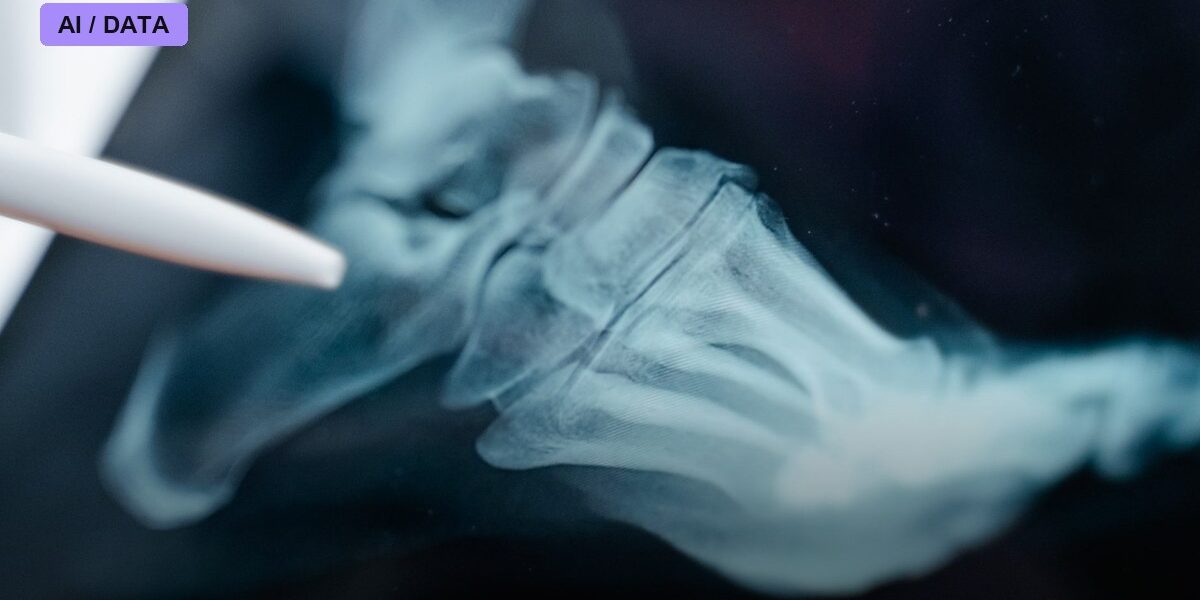
USARad, a radiology services network, has expanded its deployment of AZmed’s artificial intelligence software to cover eight distinct musculoskeletal and chest findings on x-ray images, broadening the scope of automated detection beyond the narrower single-condition tools that have characterized much of the AI radiology market to date. The expansion reflects a maturation in AI imaging products, moving from single-purpose detection algorithms toward broader multi-finding systems capable of flagging a wider range of abnormalities in a single pass.
What AZmed’s Software Detects
The expanded deployment covers findings across musculoskeletal x-rays, including fractures and related abnormalities, as well as chest x-ray findings relevant to common conditions radiologists screen for in routine practice. By covering eight findings rather than one, the software aims to serve as a more comprehensive second reader across the range of everyday cases that make up the bulk of radiology department volume, rather than addressing only a narrow, specific use case.
Why Breadth Matters for Adoption
Hospital radiology departments have historically faced a practical challenge in adopting AI tools: a software product that only flags one specific condition, such as a particular type of fracture, offers limited value relative to its integration and workflow costs if it cannot address the broader range of findings radiologists encounter daily. AZmed’s multi-finding approach addresses this adoption barrier directly, potentially making the business case for hospital systems clearer than earlier generations of narrower single-purpose AI radiology tools.
The Radiologist Shortage Context
The expansion comes amid a persistent shortage of radiologists across much of the United States, a dynamic that has made AI triage and detection tools increasingly attractive to hospital systems and radiology groups looking to help existing staff manage growing imaging volumes without proportional increases in headcount. USARad’s network-wide deployment suggests the company sees AI-assisted reading as a scalable way to maintain service levels and turnaround times even as demand for imaging services continues growing faster than the radiologist workforce.
Competitive Landscape
AZmed competes in an increasingly crowded AI radiology market that includes companies like Lunit, Rad AI, and GE HealthCare, each offering different combinations of imaging modalities and detected conditions. Analysts tracking the sector note that differentiation increasingly comes down to breadth of findings covered, integration ease with existing picture archiving and communication systems, and the strength of clinical validation data supporting each company’s regulatory clearances.
Skepticism About AI Reading Performance
Some radiology researchers caution that expanding the number of findings a single AI tool attempts to detect can introduce tradeoffs in sensitivity and specificity for any individual condition, since algorithms trained to flag multiple distinct findings may not match the performance of narrower tools optimized for a single use case. Ongoing independent validation studies, rather than vendor-reported performance metrics alone, remain important for radiology departments evaluating whether broader multi-finding tools deliver genuine diagnostic value across all the conditions they claim to detect.
What’s Next
USARad’s network-wide rollout will serve as a real-world test of AZmed’s multi-finding approach at scale, with results likely to influence whether other radiology networks pursue similar broad-coverage AI deployments rather than narrower, single-condition tools. The broader trend toward multi-finding AI radiology software is expected to continue as vendors compete for hospital system contracts on the basis of comprehensive coverage rather than single-use-case performance alone.
Photo: Tima Miroshnichenko / PEXELS via Pexels