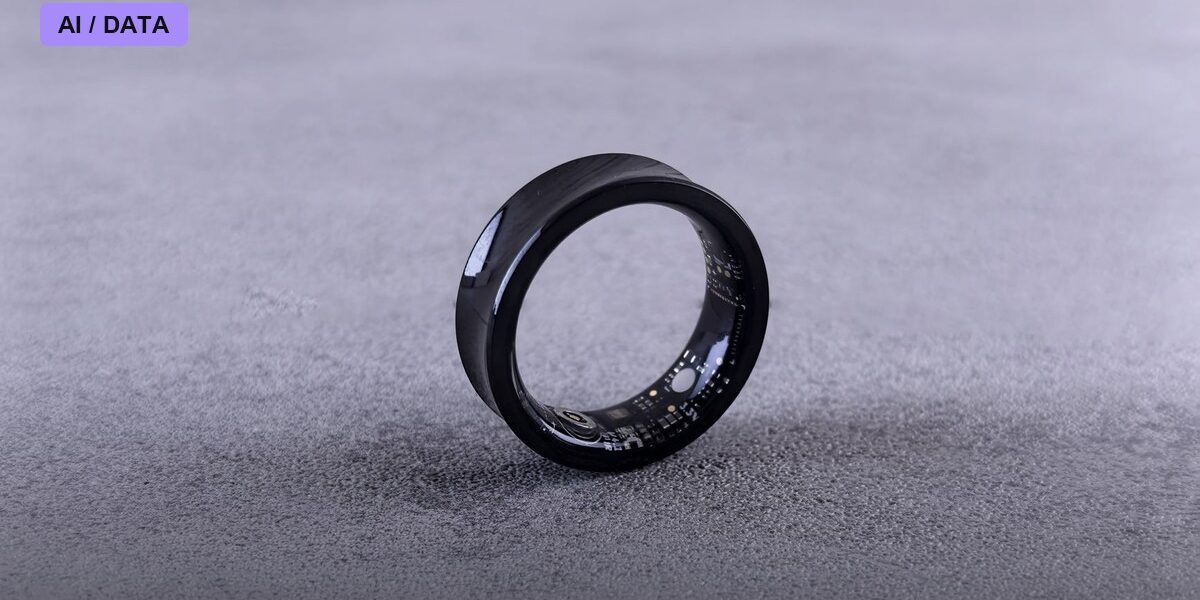
Oura, the smart-ring maker that turned finger-worn health tracking into a mainstream category, has set terms for a U.S. initial public offering seeking up to $2.2 billion, which would value the company at roughly $15.6 billion on a fully diluted basis, according to its public filing. The offering follows a confidential filing in May and an $875 million Series E round in October 2025 that valued Oura at $11 billion, meaning the company’s valuation has climbed by more than 40% in under a year even before shares begin trading.
The Numbers Behind the Offering
Oura’s filing shows revenue of $1.21 billion for the nine months ended June 30, up about 74% from $697.6 million over the same period a year earlier — a growth rate that is unusually high for a hardware-centric consumer company heading into a public listing. The company has sold more than 5.5 million smart rings since its founding in 2013 in Finland, building a business that pairs a one-time hardware purchase with a recurring subscription for personalized health insights drawn from heart rate, temperature, sleep, and activity data collected around the clock.
Why Investors See More Than a Fitness Gadget Maker
What distinguishes Oura from earlier generations of fitness wearables is its positioning squarely inside the AI-driven health data boom: the company has layered machine learning models on top of its sensor data to generate personalized recommendations, added AI-powered advising for women’s health earlier in 2026, and partnered with Maven Clinic to link ring data directly with providers’ care plans. That data-and-insights model, rather than hardware margins alone, is what underpins Oura’s valuation multiple relative to traditional device makers.
A Shareholder Exit Alongside the Listing
The filing shows some of the offering will go toward existing investors cashing out rather than new capital for the company, with Forerunner Ventures — which owns a 9.3% stake — planning to sell its entire position as part of the IPO. Such early-investor exits are common in late-stage tech IPOs, but the scale of Forerunner’s planned sale suggests confidence that Oura’s valuation has limited room to climb much further in the near term, even as the broader wearables category keeps growing.
Context: How the Smart Ring Category Exploded
Oura’s rise mirrors a broader shift in consumer health technology away from wrist-worn devices and toward smaller, less obtrusive form factors that users are more willing to wear continuously, including overnight for sleep tracking. Competitors including Whoop, which raised $575 million in March at a $10.1 billion valuation, and Samsung’s own ring product have all piled into the category, while incumbent Apple Watch has reportedly struggled to keep pace on pure health-tracking metrics even as it maintains an overall lead in smartwatch sales.
Skeptics Flag the Clinical Validation Gap
Critics, including some physicians writing in trade press, argue that wearables like Oura and Whoop still lack the kind of clinical validation that regulatory-cleared medical devices carry, meaning their health insights — while popular with consumers — haven’t been proven in the same rigorous trials required for diagnostic tools. That gap matters more as Oura pushes further into health advising territory that edges closer to medical guidance, raising questions about liability and regulatory oversight that public-market investors will likely probe closely during the roadshow.
What’s Next
With terms now set, Oura’s listing will serve as a bellwether for whether public markets are willing to pay premium multiples for consumer health hardware companies built around AI-driven personalization rather than pure fitness tracking. A successful debut could also accelerate competitors’ own public-market ambitions, while a disappointing one would likely cool enthusiasm for wearables IPOs more broadly at a moment when the category’s growth has largely been fueled by venture and growth-equity capital rather than public investors.
Photo: Andrey Matveev / PEXELS via Pexels