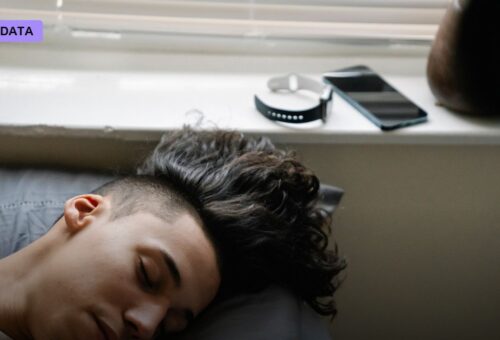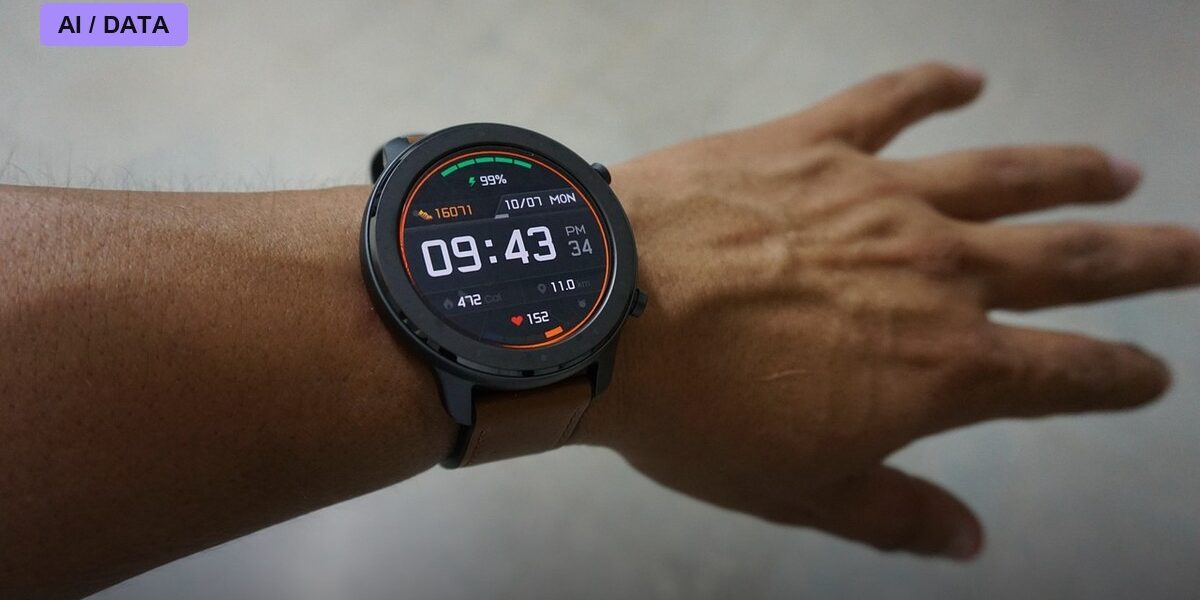
Samsung has introduced FDA-cleared sleep apnea detection on its Galaxy Ring and compatible Galaxy Watch devices, rolling out in the US following July 2026 510(k) clearance and marking the first FDA-cleared over-the-counter sleep apnea risk-detection software designed specifically for a smart ring form factor. The feature extends Samsung’s earlier wearable sleep apnea work, which first received FDA authorization for the Galaxy Watch in 2024.
How the Detection Algorithm Actually Works
The system combines peripheral blood oxygen saturation readings, photoplethysmography pulse waveform data, and accelerometer movement information to estimate the number of breathing disruptions occurring per hour of sleep, requiring two nights of valid sleep tracking within a rolling 10-day period to generate a risk assessment. This multi-signal approach reflects the same broader pattern seen across AI health diagnostics generally, where combining several distinct data streams tends to outperform relying on any single sensor input alone.
Why the Ring Form Factor Matters
Extending this capability specifically to a ring, rather than only the previously-cleared watch, matters because rings offer a less obtrusive overnight wearing experience for sleep tracking specifically, potentially improving compliance and comfort compared to wrist-worn devices that some users find less comfortable during actual sleep. Being first to achieve FDA clearance for this specific capability in ring form gives Samsung a notable competitive differentiator against rival smart ring makers like Oura.
Important Limitations Users Should Understand
Samsung has been clear that this feature does not diagnose sleep apnea and is intended specifically for people over 22 who have not been previously diagnosed, functioning as a risk-detection screening tool rather than a replacement for clinical sleep study diagnosis. This distinction matters significantly for how users and healthcare providers should interpret and act on the results the feature generates.
How This Fits the Broader Wearable Health Diagnostics Trend
This sleep apnea feature joins a broader wave of FDA-cleared AI wearable diagnostics this year, including PranaQ’s TipTraQ finger-worn home sleep apnea test and Apple’s own sleep apnea detection on the Apple Watch, together reflecting an increasingly crowded and competitive field where major consumer electronics companies race to add clinically validated health screening capabilities to everyday wearable devices.
What’s Next
Real-world usage data following this broader rollout will help establish how reliably the feature performs outside controlled clinical trial conditions, with continued competition from Apple, Oura and specialized medical device makers likely to keep pushing wearable sleep health detection capabilities forward over the coming product cycles.
Photo: Czniga / PIXABAY via Pixabay