On February 25, 2026, Oura announced it is testing a new AI model inside its existing Oura Advisor chatbot that is specifically trained on women’s health topics — the menstrual cycle, perimenopause and menopause, and fertility — turning the smart ring’s running stream of temperature, heart rate, and sleep data into conversational guidance that the company describes as clinician-vetted. The feature is live only in a limited beta, tucked inside the app’s experimental Oura Labs tab, rather than rolled out to Oura’s full user base.
What’s Actually New Here
Oura Advisor itself isn’t new — it’s an AI wellness assistant the company has offered for a while, designed to answer questions about a user’s data, surface tips, and let people add personal context (an injury, a new medication, a stressful week) through a feature called Memory, which users can edit or delete, or opt out of entirely. What’s new in the February announcement is a dedicated model layered on top, tuned specifically to women’s health questions rather than general fitness and recovery advice. The company has described the goal as giving users something closer to an informed first conversation about symptoms or cycle changes, grounded in the physiological signals the ring is already collecting around the clock — body temperature, resting heart rate, and heart rate variability, all of which shift measurably across the menstrual cycle and through the menopause transition.
Why Women’s Health, Why Now
The emphasis isn’t arbitrary. Women make up the predominant share of Oura’s user base, and the company has increasingly built its roadmap around cycle tracking, pregnancy insights, and menopause-stage detection as differentiators against rivals like Whoop and Apple Watch, which have historically focused more on athletic recovery and cardiovascular metrics. The AI advisor push also follows a broader fundraising and product expansion for Oura, including a redesigned app that introduced a weekly Cumulative Stress score built from a rolling month of sleep, heart rate, and activity data — part of a pattern of Oura trying to translate raw biometric streams into something closer to a running narrative than a dashboard of numbers.
A Beta, Not a Launch
Oura has been deliberately cautious about how it frames the rollout. Placing the feature in Oura Labs signals the company wants real-world feedback before wider release, and gives it room to adjust or walk back functionality that doesn’t test well — a sensible posture given how much scrutiny generative AI chatbots have faced when they stray into anything resembling medical advice. The company has also separately launched a clinical trial evaluating whether Oura Advisor’s guidance can measurably improve cardiovascular health outcomes, suggesting the women’s health model is one piece of a broader effort to build an evidence base around the AI layer, not just ship a chatbot and hope it’s accurate.
The Trust Question
The obvious skepticism here isn’t really about the underlying biometric data — wearable sensors measuring temperature and heart rate shifts across a cycle are well-established science. It’s about whether a generative AI model, however clinician-vetted its training, should be the thing interpreting that data and talking a user through symptoms that might warrant an actual OB-GYN visit, particularly for something as consequential as early perimenopause symptoms or irregular cycles that could signal a thyroid or PCOS issue. Oura has not published the clinical validation data for the women’s-health-specific model the way device makers typically do for FDA-cleared features, and the ring itself carries no FDA clearance for diagnosing any reproductive health condition — it’s explicitly a wellness tool, not a diagnostic one.
A Crowded Race Into AI Health Coaching
Oura isn’t moving in isolation. Apple, Whoop, and Google have all pushed AI-driven health coaching into their platforms over the past year, turning what used to be static fitness dashboards into conversational interfaces that interpret data on the user’s behalf. Oura’s bet is that doing this specifically and well for women’s health — a category historically underserved by medicine and devices alike — is a stronger differentiator than competing on recovery scores or workout plans, where Whoop and Garmin already have deep footholds.
What’s Next
The real test comes when Oura decides whether to graduate the women’s health model out of Oura Labs and into the main app, which would signal confidence in both its accuracy and its ability to avoid the kind of overconfident, occasionally wrong answers that have dogged consumer health chatbots elsewhere. Watch for whether Oura publishes any validation data alongside a wider release, and whether competitors with large female user bases — Whoop, Apple’s Cycle Tracking, and various period-tracking apps — respond with their own clinician-tuned AI layers rather than general-purpose assistants repurposed for cycle questions.
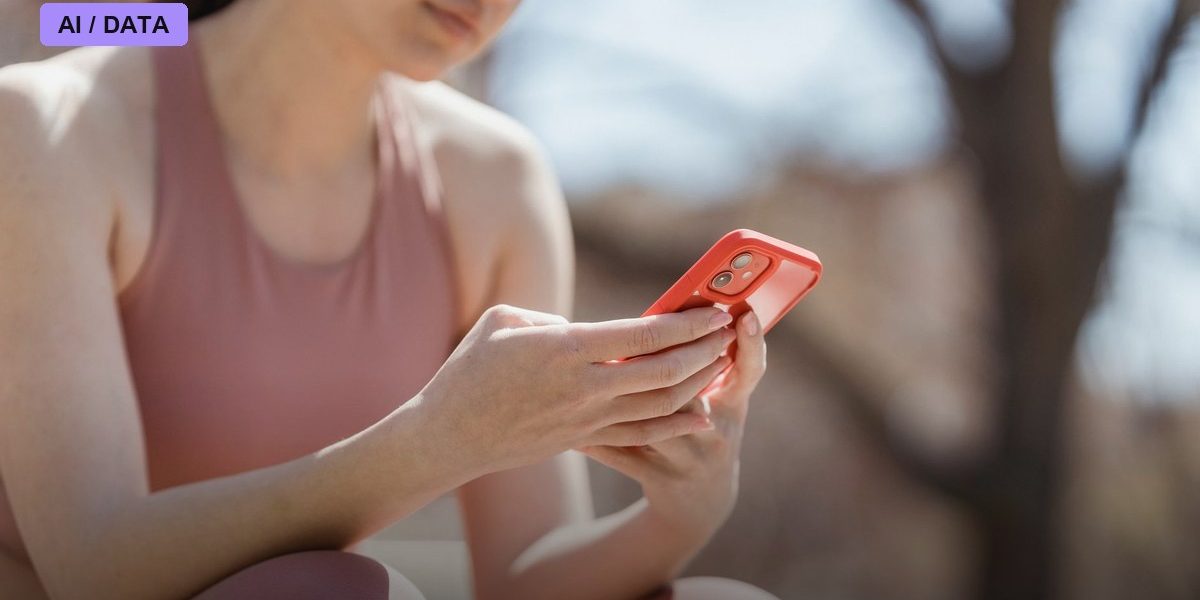
Photo: Miriam Alonso / PEXELS via Pexels