Nvidia unveiled RFD4-Proteina, an open protein design model built in collaboration with the University of Washington Institute for Protein Design, at its GTC Berlin conference on October 21, part of a broader slate of healthcare and life sciences partnerships the chipmaker announced to extend its AI tooling deeper into drug discovery and patient care workflows.
What RFD4-Proteina Does
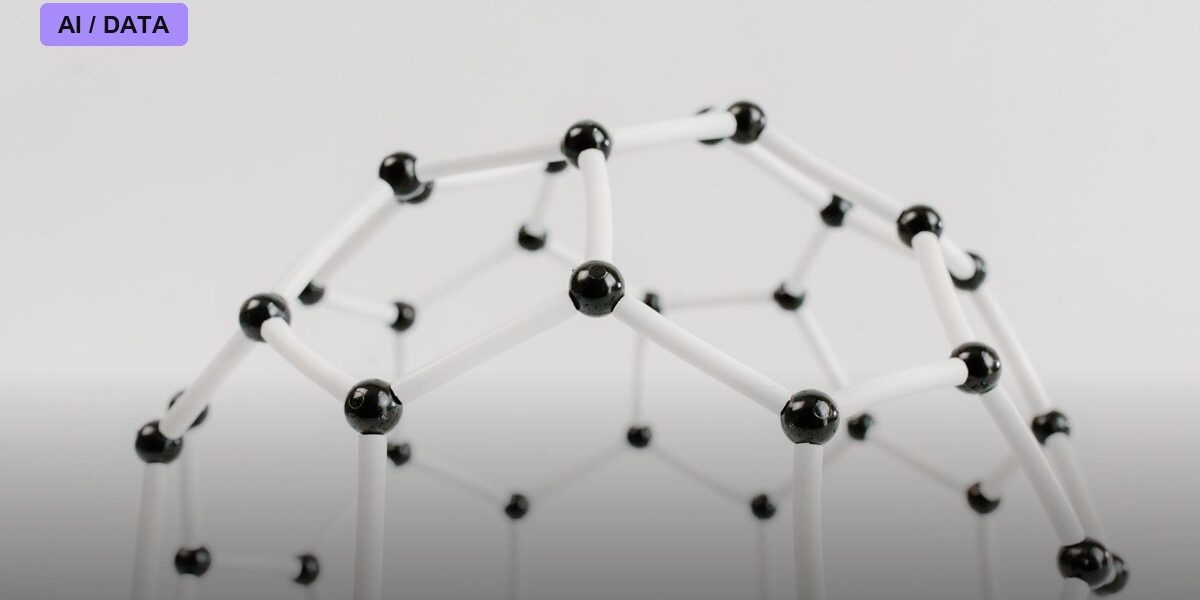
RFD4-Proteina is built as a BioNeMo open model that pairs programmable protein design with structural search, letting researchers generate novel protein candidates computationally rather than relying solely on screening naturally occurring proteins. According to Nvidia’s release, the model outperformed evaluated baseline approaches on computational design success rates and throughput across four benchmark suites, a performance claim that, if it holds up under independent testing, would position it as a meaningful upgrade over existing open protein design tools available to academic and industry researchers.
Open Access as a Strategy
By releasing RFD4-Proteina as an open model on build.nvidia.com and NGC rather than keeping it proprietary, Nvidia is extending a strategy it has used elsewhere in its AI stack: give away foundational tools to drive adoption of its broader BioNeMo platform and the GPU infrastructure needed to run those tools at scale. That approach mirrors how Nvidia has used open-source software releases in other domains to entrench its hardware as the default platform researchers build on, a dynamic that matters in drug discovery given how computationally intensive large-scale protein design workloads can be.
The Partner Ecosystem Nvidia Is Building
Nvidia named a roster of companies building on BioNeMo and incorporating RFD4-Proteina into their own workflows, including Genedata, whose AI co-scientist software is being used to coordinate protein design and experimental testing inside an autonomous protein design foundry operated by life sciences conglomerate Danaher. Other listed BioNeMo users include Automata, Benchling, Biolevate, Boltz, Hologen and Therna Biosciences, a group spanning laboratory automation, software and biotech companies, all of which are described as building scientific agents aimed at automating steps in drug design and autonomous laboratory experimentation.
Beyond Drug Discovery: Cancer Care
Alongside the protein design announcement, Nvidia disclosed a separate collaboration with Siemens Healthineers focused on AI-assisted adaptive radiotherapy, covering treatment planning and the real-time processing of sensor data during cancer treatment. Pairing a drug-discovery-focused model release with a clinical cancer care partnership in the same announcement window reflects Nvidia’s broader ambition to position its AI infrastructure across the full span of healthcare, from early-stage molecular research through direct patient treatment.
Part of a Bigger Pharma Push
The RFD4-Proteina announcement follows Nvidia’s January collaboration with Eli Lilly, which included up to $1 billion invested over five years into a joint AI co-innovation lab in San Francisco, as well as expanded AI factory partnerships this year with Roche and Bristol Myers Squibb. Taken together, the deals illustrate Nvidia’s strategy of embedding itself as the computational infrastructure layer underneath a wide range of pharmaceutical AI initiatives, rather than competing directly with the specialized AI drug discovery startups that rely on its hardware.
What’s Next
Watch for independent benchmarking of RFD4-Proteina’s design success claims as more labs outside Nvidia’s initial partner group adopt the open model, which will test whether its reported performance gains generalize beyond the benchmark suites used in the original release. Also watch for Danaher’s autonomous protein design foundry to disclose early results from running Genedata’s AI co-scientist against RFD4-Proteina in live experimental loops, which would offer the first real-world signal of whether the model translates into faster, cheaper protein candidate development.
Photo: Tara Winstead / PEXELS via Pexels