Novo Nordisk, the company behind Ozempic and Wegovy, announced on September 17, 2026, a strategic collaboration and license agreement with Swedish biotech Orbis Medicines worth up to $1.4 billion in upfront and milestone payments, plus tiered royalties, to develop oral macrocycle drugs for cardiometabolic disease. Novo will also make a direct strategic investment in the smaller company. The deal centers on Orbis’s nGen platform, which uses generative AI paired with high-throughput chemical synthesis to design macrocycles, ring-shaped molecules that can hit biological targets normally reserved for injectable drugs, but in pill form.
Why a Pill Company Wants to Stay a Pill Company
Novo built its empire on injectable GLP-1 drugs, but the obesity and diabetes market is shifting fast toward oral formulations that patients strongly prefer and that are cheaper to manufacture and distribute at scale. The company has already launched an oral version of semaglutide, but that molecule required chemical tricks to survive the stomach that don’t work for every target. Macrocycles are attractive because they can bind to the same hard-to-reach protein surfaces as injectable biologics, surfaces that are typically too large and flexible for a conventional small-molecule pill to grip, while still being manufactured and dosed like a tablet.
The Technology Behind the Deal
Orbis’s nGen platform runs a multi-parameter optimization engine that designs candidate macrocycles, called nCycles, and screens them for drug-like properties such as stability, absorption, and manufacturability. According to the companies, the system is continuously refined against one of the industry’s largest experimental macrocycle datasets, letting it learn from real synthesis and testing results rather than simulation alone. That closed loop between AI-generated designs and lab-measured outcomes is what Orbis is selling Novo: not a single molecule, but a pipeline that can be pointed at multiple cardiometabolic targets in succession.
How the Industry Got Here
Drug discovery has spent the past five years shifting money from injectable biologics toward AI-designed small molecules and macrocycles that promise biologic-level potency with pill-level convenience. Pharma giants including Novo, Eli Lilly, and Roche have all struck platform deals rather than single-asset licenses, betting that owning access to an AI design engine is more valuable long-term than any one compound. The cardiometabolic space in particular has become crowded and lucrative since GLP-1 drugs proved that a single therapeutic class could generate tens of billions in annual revenue, pushing every major manufacturer to diversify beyond injectables before competitors do.
The Skeptical Read on Platform Deals
Industry analysts note that AI drug-design platform deals have become easy to announce and hard to validate; headline dollar figures like $1.4 billion are overwhelmingly milestone-contingent, meaning Orbis will see only a fraction of that sum unless specific compounds clear clinical checkpoints that are years away. Drug discovery specialists have also pointed out more broadly this year that the constraint in AI-enabled discovery has shifted: designing a promising molecule on a computer is now relatively cheap and fast, but proving in living tissue and then in humans that the design actually works safely remains slow, expensive, and unautomated. A macrocycle that looks elegant in a model can still fail for reasons no algorithm predicted, from unexpected toxicity to poor absorption in real patients rather than test tubes.
What Comes Next
Orbis will run early discovery and optimization work using nGen, with Novo positioned to take promising candidates into the expensive later stages of development where it has scale advantages. If even one nCycle candidate reaches human trials on a compressed timeline compared to conventional macrocycle chemistry, it would be read across the industry as a strong signal that AI-designed macrocycles deserve a permanent place next to small molecules and biologics. If not, the deal joins a growing list of platform partnerships that generated buzz on signing day and quiet fade-outs later. For patients, the practical stakes are straightforward: another mechanism by which today’s injection-only cardiometabolic treatments might eventually become tomorrow’s pill, if the AI-to-lab pipeline Orbis is selling actually holds up under real biological scrutiny.
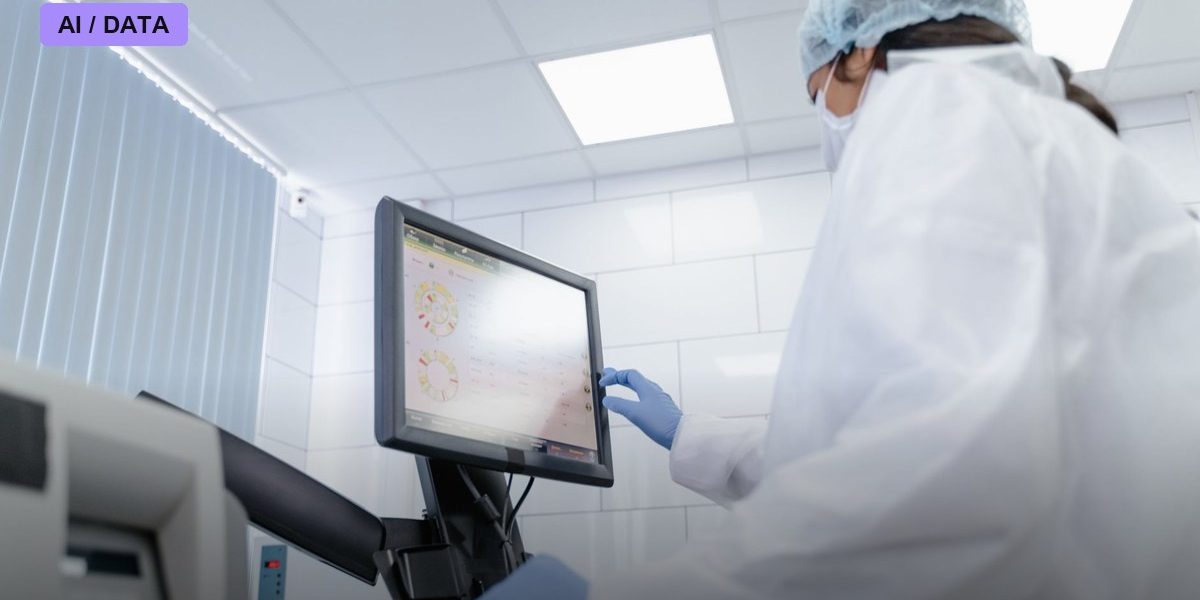
Photo: Tima Miroshnichenko / PEXELS via Pexels