Mayo Clinic and workforce technology company Trusted Health announced on September 10, 2026 that they will bring Mayo’s internally developed staffing-forecast technology, CareCast, to hospitals and health systems nationwide. The announcement, made in San Francisco, marks one of the more concrete attempts yet to turn a health system’s homegrown AI tool into a product other hospitals can buy and deploy against a problem that has vexed the industry for years: predicting how many nurses, and where, a hospital will actually need.
The Problem CareCast Was Built to Solve
Hospital staffing has long been a reactive exercise — schedulers scrambling to cover call-offs, surges in patient volume, and seasonal swings with a mix of overtime, agency nurses and last-minute shift swaps. Mayo Clinic built CareCast to get ahead of that cycle by analyzing historical staffing levels, patient volume trends and operational data to forecast workforce demand before it materializes. Alissa Zimmerman, Mayo Clinic’s vice-chair of enterprise nursing workforce optimization, said the project began with a basic premise: “Creating a better staff scheduling experience starts with understanding what our workforce and patients will need,” rather than reacting after the fact.
From Internal Tool to Commercial Product
Under the new agreement, Mayo Clinic will license CareCast to Trusted Health for integration into Trusted Works, the company’s staffing and scheduling optimization platform. Trusted, Inc., founded in 2017 and based in San Francisco, already operates a clinician marketplace under the Trusted Health brand alongside its health-system-facing Trusted Works product. The company is backed by investors including Craft Ventures, Felicis, StepStone Group, Founder Collective and Town Hall Ventures. Trusted Health founder and CEO Lennie Sliwinski framed the deal as filling a structural gap in workforce technology: “Forecasting is where intelligent workforce operations begin. By bringing CareCast into Trusted Works, we can help health systems anticipate their needs earlier,” he said.
How the AI Agents Are Meant to Work
The integration goes beyond simply importing a forecast number into a spreadsheet. According to the companies, Trusted Works’ AI agents will use CareCast’s demand projections to actively build draft schedules, flag coverage gaps before they become emergencies, and identify which open shifts need to be filled first. The system is designed with a feedback loop: agents compare each staffing plan against what actually happened on the floor, and feed discrepancies back into the forecasting model, so accuracy is meant to compound with every scheduling cycle rather than staying static.
Why Health Systems Might Actually Pay for This
Nurse staffing shortages have been one of the most persistent and expensive problems in American hospitals since the pandemic, with health systems spending heavily on premium-pay agency nurses to plug gaps that better forecasting might have anticipated. A tool that can meaningfully reduce reliance on expensive last-minute staffing has an obvious return-on-investment argument, which is likely why Mayo — a nonprofit health system — is willing to license out technology it built for its own operations. Mayo Clinic has said it retains a financial interest in the commercialized product, with resulting revenue supporting its nonprofit mission in patient care, education and research.
The Skeptical Read
Workforce forecasting tools have a mixed track record industry-wide; predictive scheduling systems sold over the past decade have often underdelivered once exposed to the messiness of real hospital operations — call-offs, union scheduling rules, and local labor market shocks that a national model can struggle to capture. Nurse unions have also raised concerns in other AI-driven scheduling deployments about algorithms optimizing for cost efficiency at the expense of nurses’ preferred shifts and work-life balance, a tension CareCast’s commercial rollout will need to navigate as it moves from Mayo’s own campuses to health systems with very different cultures and labor agreements.
What’s Next
Trusted Health has not disclosed which health systems will pilot the CareCast-powered version of Trusted Works first, or pricing for the integrated product. The deal is part of a broader 2026 trend of health systems monetizing internally built AI tools — Mayo Clinic has pursued a similar strategy with its Microsoft-developed frontier health AI model — suggesting that provider organizations increasingly see their own operational data and algorithms as a revenue line, not just an internal efficiency play. Whether CareCast’s forecasts hold up outside Mayo’s own hospitals, across health systems with different patient mixes and labor markets, will be the real test of whether this becomes an industry standard or another well-marketed pilot.
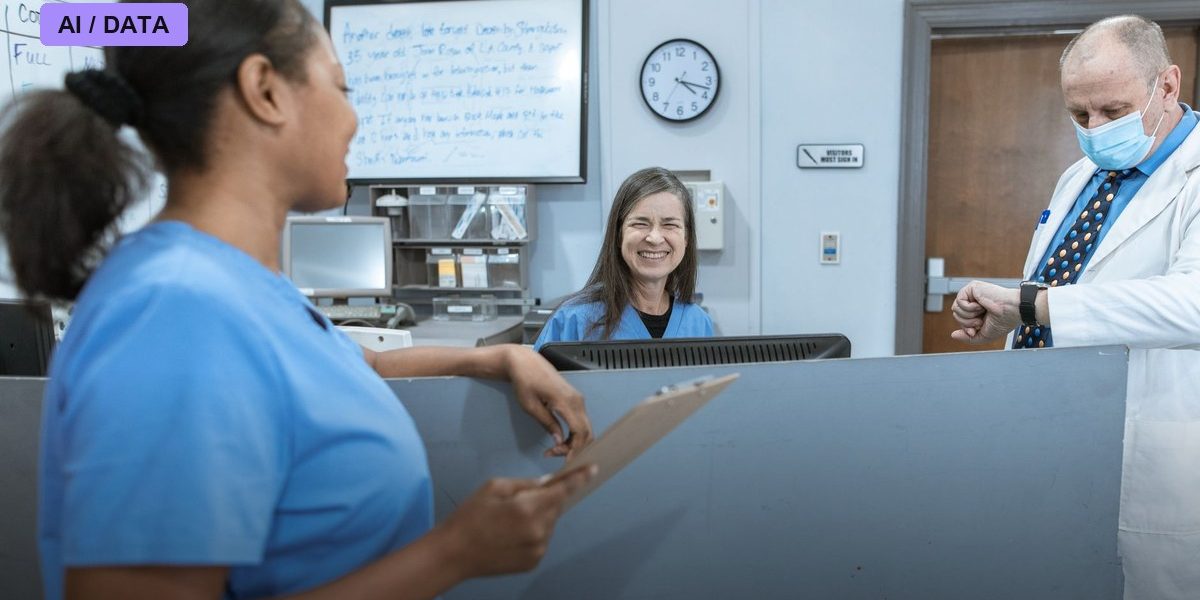
Photo: RDNE Stock project / PEXELS via Pexels