Breast cancer screening has long relied on two radiologists independently reading the same mammogram, a system that catches more cancers but strains already thin imaging staff. A new study published in Nature Cancer puts Google’s mammography AI system through the most rigorous test yet of whether a machine can safely take on part of that job within Britain’s National Health Service.
The Headline Numbers
The study ran in two phases: a retrospective analysis of 115,973 mammograms drawn from five NHS breast-screening services, followed by prospective deployment across 12 sites covering 9,266 cases. Google’s AI achieved a sensitivity of 0.541 compared with 0.437 for the first human reader — meaning it caught meaningfully more true cancers — while posting noninferior specificity, 0.943 versus 0.952 for humans, indicating it did not meaningfully increase false alarms. In an already overstretched screening system, those numbers matter: the NHS breast-screening program examines millions of women annually, and radiologist shortages have been a persistent bottleneck in reading turnaround times.
Why It Happened
Mammography is one of the AI use cases with the deepest evidence base in medical imaging, in part because screening produces huge, well-labeled datasets that are relatively suited to machine learning: outcomes are eventually confirmed via biopsy or years of follow-up, giving researchers ground truth to train against. Google has invested in mammography AI research for years, publishing peer-reviewed results as early as 2020 showing AI could match or exceed radiologists in retrospective settings. This latest study is significant because it moves from retrospective validation to prospective, multi-site deployment — the step that determines whether a tool that looks good on paper actually holds up when it’s making real decisions inside a live clinical pathway across a dozen different hospital systems with different equipment and patient populations.
The Counter-Argument
Even strong sensitivity numbers don’t settle the debate about how AI should be used in screening. Some radiologists worry that replacing a second human reader with an AI system, rather than using AI purely as an additional check, could create blind spots the model shares across every case it reviews — unlike two independent humans, who tend to make different kinds of mistakes. There are also equity concerns: earlier generations of mammography AI have shown weaker performance on denser breast tissue and in underrepresented demographic groups that were less represented in training data, and it is not yet clear how this system performs across the full diversity of NHS patients. Cost and liability questions remain unresolved too — if an AI system misses a cancer that a second human reader would have caught, who is accountable?
What It Means Going Forward
The NHS has signaled interest in expanding AI-assisted reading as it wrestles with a persistent radiologist shortage, and this study gives regulators and hospital administrators a much larger evidence base than previous single-site pilots. Google and its NHS partners are expected to publish further real-world outcome data as prospective deployment continues, particularly on interval cancers — tumors that emerge between screening rounds — which are the ultimate test of whether an AI-augmented pathway is actually catching cancers earlier rather than just reading images faster.
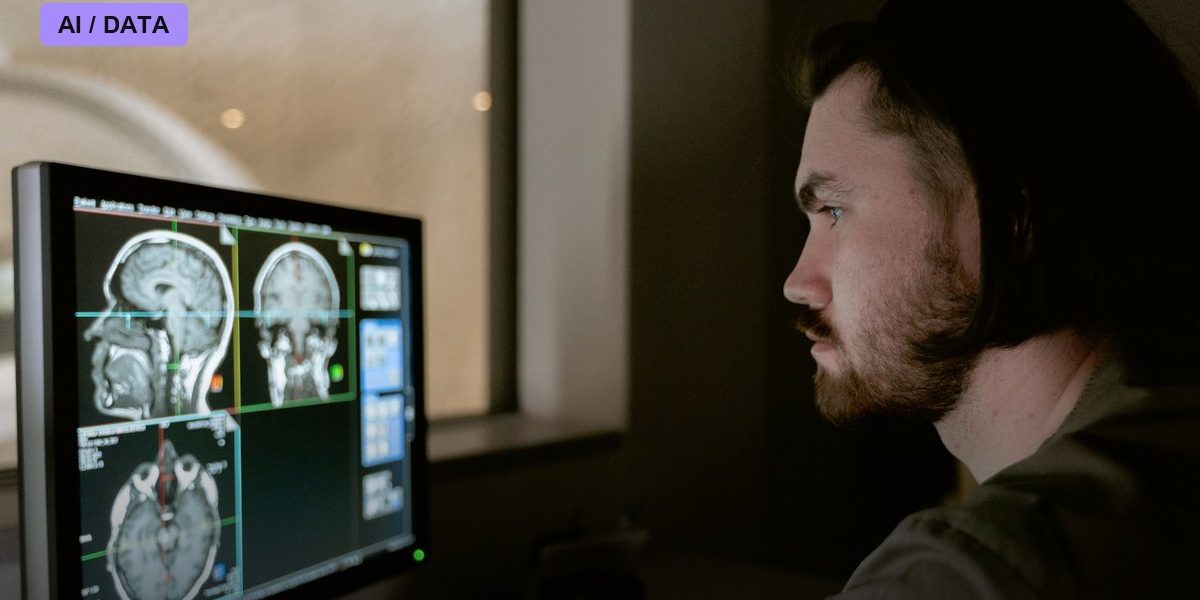
Photo: MART PRODUCTION / PEXELS via Pexels