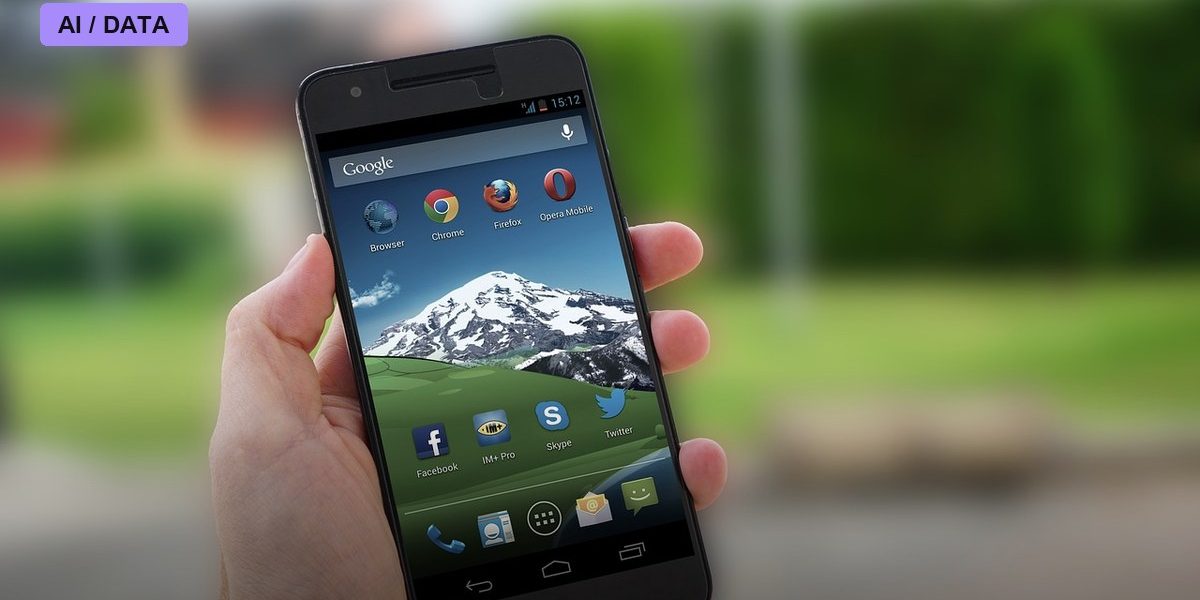
Google Assistant, the voice tool that greeted Android users for more than a decade, began disappearing from phones, tablets, watches and earbuds on September 4, 2026, as Google finishes consolidating its consumer AI efforts around Gemini. The rollout is happening in phases over several weeks, and once Assistant is removed from a given device, Google has said there is no way to switch back.
What’s changing on your phone
Triggering a voice command by long-pressing the home button, saying "Hey Google," or using a paired device’s assistant shortcut now routes the request directly to Gemini rather than the older Assistant stack. The shutdown covers Android phones and tablets, Wear OS watches, headphones, earbuds, and phone-projected Android Auto; vehicles running Google built-in continue to use Assistant for now. Google frames the switch as a technical upgrade — Assistant was built around a fixed set of pre-programmed voice commands, while Gemini uses a large language model capable of understanding open-ended, conversational requests and completing multi-step tasks such as drafting messages or summarizing a webpage aloud.
The privacy trade-off underneath the upgrade
The functional gains come with a different data profile. Google’s own disclosures say prompts and conversations in Gemini Apps are stored in a user’s Google Account for a default retention period of 18 months, with options to shorten that window to 3 months or extend it to 36. Even users who opt out of longer retention may still have conversations stored for a 72-hour processing window. Privacy researchers, including analysts at Proton, have also flagged that Google’s July 2025 rollout of deeper Gemini integration granted the assistant access to sensitive Android apps such as WhatsApp, Messages and Phone by default, in some cases overriding users’ prior privacy settings — a pattern now extending further as Assistant itself is retired.
Where the opt-out controls live, and why they’re hard to find
Google maintains a dedicated Gemini Apps Privacy Hub where users can review and delete activity history, but privacy advocates argue the settings are scattered across multiple apps and menus rather than centralized in one obvious place. Disabling "Gemini Apps Activity" does not necessarily prevent all data access by connected third-party app integrations, each of which can carry its own separate privacy terms. For an assistant now baked into the operating system rather than an optional app, critics say that complexity matters more than it did when Assistant was a discrete, easily toggled feature.
Competing view: Google says the shift improves user control
Google’s position, reflected in its public rollout messaging, is that Gemini’s settings actually give users more granular control than Assistant ever offered, including the ability to review stored conversations and delete them individually rather than only through a blanket reset. The company also points to on-device processing improvements in recent Android releases intended to reduce how much raw audio needs to leave the phone before a request is understood. Skeptics counter that "more settings" is not the same as "more transparency," particularly when the default behavior — an assistant enabled system-wide with an 18-month retention clock — requires no action from a user who never sought out the change in the first place.
A test case other platforms will watch
Google Assistant’s shutdown is one of the most visible removals of a legacy, narrowly scoped voice tool in favor of a general-purpose AI system to date, and industry watchers expect Amazon’s continued rollout of its Alexa+ generative assistant and Apple’s more gradual Siri overhaul to face similar scrutiny over data retention and default settings. The comparison is instructive: each company is making the same underlying bet, that consumers will trade a simpler, more predictable assistant for a more capable one, even if that capability is powered by a system that remembers far more about them by default.
What it means and what’s next
For the hundreds of millions of Android users affected, the near-term task is straightforward if unglamorous: visit the Gemini Apps Privacy Hub, set a retention window that matches personal comfort, and review which third-party apps have been granted access under the new integration. Longer term, the shutdown marks a broader industry inflection point — voice assistants are no longer simple command interpreters but persistent, cloud-connected AI systems woven into daily life, and the privacy defaults set during rollouts like this one are likely to define consumer expectations, and regulatory attention, for years to come.
Photo: TheDigitalWay / PIXABAY via Pixabay