FDA’s public 510(k) database shows clearance number K253281 was granted on December 23, 2025, to UpDoc V1.0, a prescription software device for insulin management in adults with type 2 diabetes, though the clearance only became widely known after UpDoc Inc. publicized it on June 25, 2026, describing it as the first Software as a Medical Device, or SaMD, built on a patient-facing large language model. The roughly six-month gap between clearance and public disclosure left some industry analysts initially uncertain whether the company’s later LLM-focused announcement referred to the same device recorded in FDA’s database.
How the Software Actually Works
UpDoc’s system delivers insulin treatment plan instructions based on a dosing plan that a patient’s healthcare provider has specified in advance, rather than generating treatment decisions independently. Patients interact with what the company calls the UpDoc Agent through voice or chat within the UpDoc Patient App, inputting blood glucose readings, medication adherence data, meal information and symptoms, and receiving updated treatment plan instructions in response, all constrained within the boundaries the prescribing provider originally set.
The Predicate Device Behind the Clearance
UpDoc’s 510(k) clearance relied on the d-Nav Insulin Management Program as its predicate device, a software tool that provided insulin dosing recommendations and had itself received FDA clearance in 2019 before its developer, Hygieia, filed for bankruptcy in 2024. Building a new LLM-based clearance on top of an older, already-cleared predicate reflects the FDA’s standard 510(k) logic of establishing substantial equivalence to an existing authorized device, a pathway UpDoc used even though its underlying technology, patient-facing conversational AI, differs substantially from its non-LLM predecessor.
What the Clearance Does Not Establish
Notably, UpDoc’s regulatory filing states that no clinical testing was performed as part of the clearance process; the authorization instead rests on usability and software verification testing rather than demonstrated clinical efficacy. Legal and regulatory analysts reviewing the filing have cautioned that while the clearance shows the FDA is willing to authorize certain LLM-enabled clinical tools, it does not establish a general approval pathway or evidentiary standard that other LLM-based healthcare products can assume applies to them.
The Case This Opens a Meaningful Pathway
Supporters of the clearance, including some digital health legal analysts, describe it as a significant signal that the FDA is prepared to authorize patient-facing conversational AI within tightly bounded clinical use cases, potentially opening a pathway for other companies developing similarly constrained LLM tools, where the AI’s role is limited to communicating and reinforcing a clinician-defined plan rather than making autonomous treatment decisions.
The Counter-Argument on Precedent and Risk
Critics caution against reading UpDoc’s clearance as a broad green light for LLM-based medical devices, noting that the absence of clinical testing means the FDA has not verified the conversational agent reliably communicates dosing instructions accurately across the full range of ways patients might phrase questions or report symptoms, a meaningful risk given that insulin dosing errors can have serious, immediate health consequences for patients with type 2 diabetes.
What’s Next
With the clearance now public and UpDoc moving toward commercial deployment, the coming months should reveal how patients and prescribing physicians actually use the LLM-based agent in practice, and whether post-market monitoring turns up any safety signals the pre-market usability and verification testing did not capture. Other digital health companies developing patient-facing conversational AI tools are likely to study UpDoc’s regulatory path closely as a template, even as legal experts caution it is not a guaranteed roadmap for devices with less tightly bounded clinical scope.
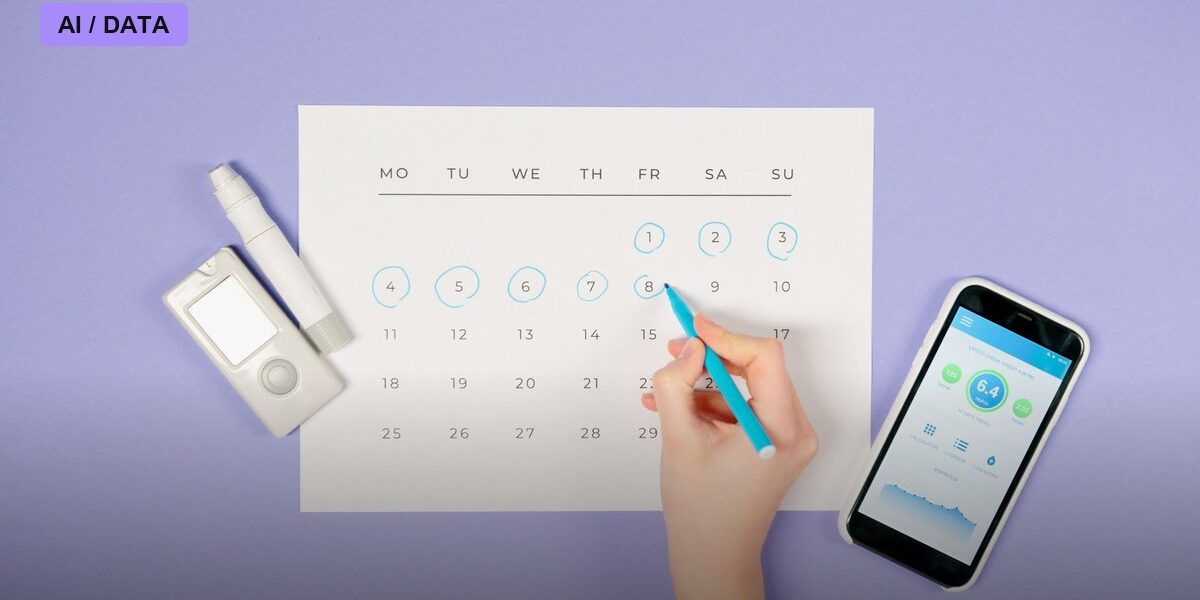
Photo: Artem Podrez / PEXELS via Pexels