Meta introduced its next-generation Ray-Ban Meta Gen 3 glasses at Meta Connect on September 23, 2026, alongside a camera-free Ray-Ban Meta Audio model, and coverage that same month examined the increasingly visible role these consumer AI glasses play for blind and low-vision users, even though Meta never designed or marketed them as medical or assistive devices in the first place. The result is a genuine debate: are mainstream AI glasses quietly democratizing visual assistance technology, or is a tech company using disabled users’ enthusiasm as a marketing asset while sidestepping accessibility-specific responsibility?
Why Blind Users Adopted a Product Not Built for Them
Ray-Ban Meta glasses were designed as a fashion-forward camera-and-audio wearable for the general consumer market, but their combination of a built-in camera, open-ear audio, and Meta AI assistant integration turned out to solve a real problem for blind and low-vision users: getting a dictated, real-time description of what’s in front of them, having printed text read aloud, or identifying objects and navigating unfamiliar environments hands-free. Crucially, because the glasses look like ordinary eyewear rather than dedicated assistive technology, many users describe them as carrying far less social stigma than purpose-built devices, while costing dramatically less, with Meta’s own-branded glasses starting around $299. Reviewers have also pointed to the glasses’ integration with Be My Eyes, the volunteer video-calling service, which lets a blind wearer connect instantly to a sighted human helper through the same camera feed Meta AI uses for its automated descriptions.
Meta Leans Into the Accessibility Narrative
Meta has embraced this unplanned use case publicly, donating 15,000 free Ray-Ban Meta glasses to Vision Ireland, enough, the company says, for every blind and visually impaired adult the charity supports, framing the donation around giving blind and low-vision people the ability to read signage and documents and access information about their surroundings independently. In July 2026, Meta went further, announcing $2 million in grants spread across 30 organizations to study how AI glasses could help people, in the company’s words, work safer, learn faster, and live more independently. Recipients include the Blinded Veterans Association, which distributes glasses directly to blind veterans, and Lighthouse Guild, alongside groups running workshops for blind users and workforce-preparation programs for people with intellectual disabilities. Noah Currier, president of the Oscar Mike Foundation, which serves wounded veterans, told reporters Meta involved disabled people early in development, calling that approach responsible rather than opportunistic.
The Critique: Convenient Marketing, Inconvenient Questions
A September 2026 Mother Jones investigation raised pointed questions about whether Meta is using disabled people’s genuine enthusiasm to promote a product built primarily around data collection and advertising, rather than being accountable to the accessibility community the way a dedicated assistive-technology company would be. Rebecca Monteleone, a disability studies professor at the University of Toledo, told the outlet Meta may be using its disability partnerships to build a case for the technology more broadly, potentially shaping how regulators eventually treat AI glasses as a category. Ariana Aboulafia of the Center for Democracy and Technology was blunter, saying certain companies have used accessibility and disability rights as a Trojan horse for a tool that poses significant privacy and security threats. Ashley Shew, a disability studies scholar at Virginia Tech, added a further worry: that Meta’s low-cost, mass-market approach could crowd out development of more trustworthy, purpose-built alternatives before they ever reach users. The critique centers on surveillance concerns baked into a device with an always-available camera capturing a wearer’s surroundings, including bystanders who never consented to being recorded or analyzed, alongside a business model built on harvesting exactly that kind of behavioral and visual data. Reporting has also documented insurance companies using footage to surveil disability claimants, and healthcare, pharmacy, and nursing staff wearing the glasses on the job in ways that risk capturing HIPAA-protected patient information in clinical and nursing-home settings.
Real-World Bugs Complicate the Picture
Accessibility reviewers have also flagged concrete software failures that undercut Meta’s independence narrative. In one documented case, a blind user who entered a preloaded wristband-based game found the screen reader suspended with no accessible way to exit or audio feedback; the only fix was a full factory reset. Reviewers from outlets serving low-vision readers note the glasses were never built with vision accessibility as a design requirement, meaning features sighted users take for granted can become genuine barriers for a blind wearer with no way to see what changed.
Purpose-Built Alternatives Still Exist, at a Cost
Dedicated assistive devices remain on the market, including EchoVision, AI-powered glasses from AGIGA featuring a wide field-of-view camera and a simple button interface specifically for real-time audio description and text reading, generally priced well above consumer smart glasses and marketed directly to blind and low-vision users rather than as a mainstream fashion product. Advocates note these purpose-built devices typically come with accessibility-focused customer support, features tailored more precisely to blindness-specific needs, and, at least implicitly, an accountability relationship that a mass-market consumer electronics company may not prioritize to the same degree.
What Both Sides Agree Needs to Happen Next
Even critics of Meta’s approach generally agree that affordable, mainstream AI glasses represent genuine progress for blind and low-vision independence compared to a decade ago, when comparable functionality required expensive, specialized hardware few could afford. The unresolved question moving forward is whether regulators, disability advocacy organizations, or market pressure will push mainstream AI glasses makers toward accessibility-specific privacy protections, clearer data-use disclosures for a product now serving a vulnerable population it wasn’t originally designed for, and formal accessibility accountability, rather than leaving the current arrangement, genuine utility bundled with unresolved privacy tradeoffs, as the default. Some blindness advocacy organizations are pushing for a middle path: requiring companies like Meta to publish clear, plain-language data-use disclosures specifically addressing accessibility use cases, and to commit funding toward independent accessibility testing and support channels, without necessarily demanding an entirely separate, more expensive product line that would recreate the cost and stigma barriers mainstream AI glasses have only recently begun to dismantle.
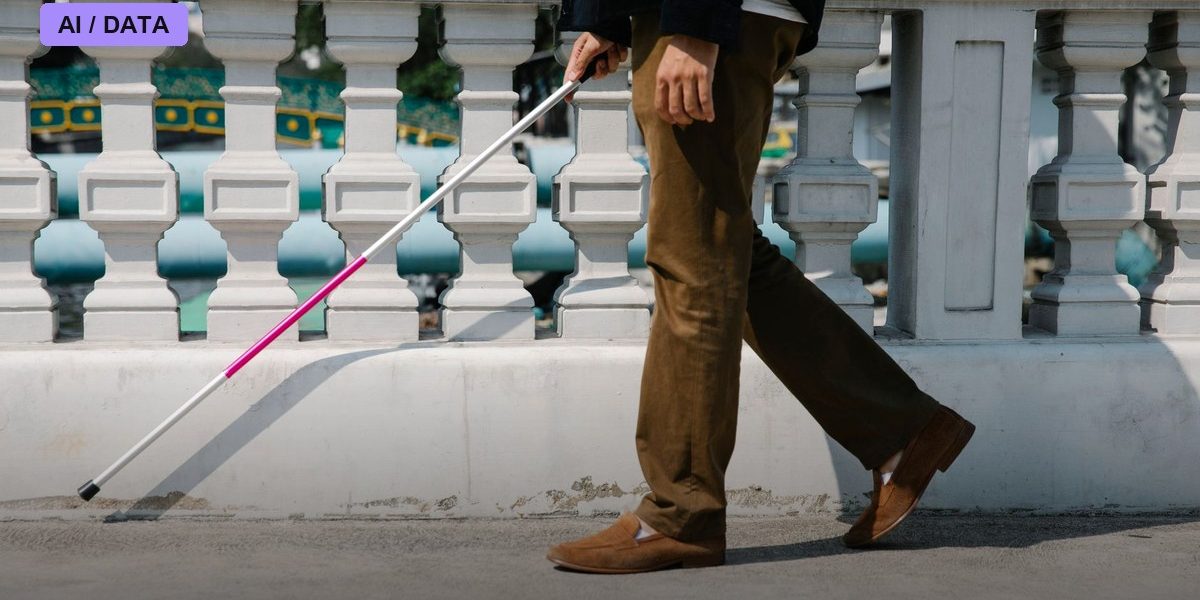
Photo: Eren Li / PEXELS via Pexels