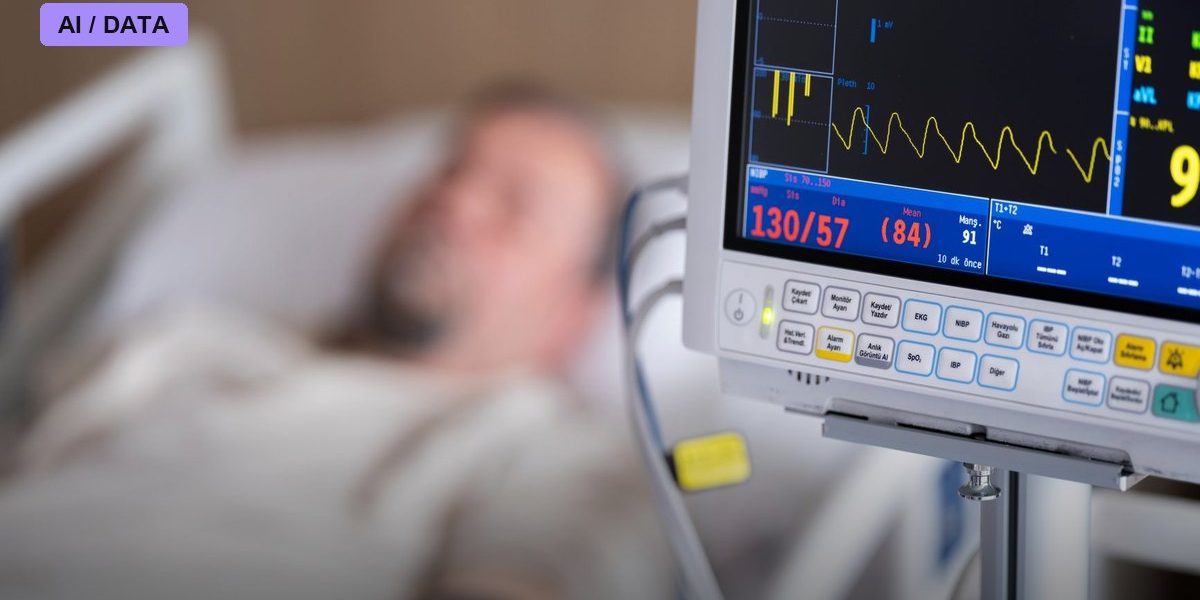
Two of the most stubborn safety problems in any hospital are also among the least glamorous: patients falling out of bed, and patients developing pressure injuries, commonly known as bedsores, from lying in one position too long. Neither makes headlines the way a new cancer drug does, but both drive real harm, real lawsuits and real costs. Cooper University Health Care, based in Camden, New Jersey, is betting that AI-equipped hospital rooms can meaningfully cut both, and it has selected vendor hellocare.ai to roll the technology out across its inpatient facilities, according to Becker’s Hospital Review’s 2026 roundup of health system AI deals.
How an AI-assisted hospital room actually works
The deployment includes fall prevention, real-time fall detection and pressure-injury prevention built directly into patient rooms, rather than bolted onto a nurse’s existing workflow as a separate app. In practice, that typically means ceiling- or wall-mounted sensors that use computer vision or radar-based detection to monitor a patient’s position and movement without recording identifiable video, flagging a nurse’s station the moment a patient attempts to get out of bed unassisted or when a patient has gone too long without a position change that would stave off pressure injuries.
Why hospitals are focused on falls and bedsores specifically
Both conditions sit on the Centers for Medicare and Medicaid Services’ list of “hospital-acquired conditions” that can trigger reduced reimbursement, giving hospitals a direct financial incentive, on top of the ethical one, to prevent them. Falls disproportionately affect older, sicker and sedated patients — exactly the population that fills most inpatient beds — and a single serious fall can add days to a hospital stay and trigger costly complications. Pressure injuries, meanwhile, can take weeks to heal and are a leading source of hospital-acquired infection risk.
The broader trend this fits into
Cooper’s move mirrors similar efforts already underway in long-term care and senior living, where AI fall-detection systems have shown measurable results. In Arizona, a radar-based system called Paul reportedly helped one senior living facility cut falls from roughly 20 per month to about three per month within six months, according to Axios reporting. Hospitals are now trying to bring that same logic into acute inpatient care, where patients are often more medically unstable and harder to monitor continuously with nursing staff alone.
The limits nurses are watching closely
Nursing unions and patient-safety researchers have cautioned that AI monitoring is only useful if alerts actually reach a nurse in time to respond, and if staffing levels allow for that response. A sensor that detects a fall in progress does little good if the unit is short-staffed and no one can get to the room in time. There are also unresolved questions about alarm fatigue: if the system generates too many false positives, overworked staff may start tuning out alerts altogether, defeating the purpose of the technology.
Privacy considerations inside the hospital room
Because these systems monitor patients continuously, even using non-video sensing methods, hospitals have had to develop clearer disclosure practices so patients understand what is being tracked and why, distinguishing it from surveillance. Cooper has not detailed its specific patient-consent and data-retention policies for the hellocare.ai deployment, an area privacy advocates say deserves the same scrutiny as any other AI touching protected health data.
What’s next for Cooper and similar deployments
Cooper plans to roll the system out across its inpatient facilities, though a full completion date has not been publicized. The real measure of success will come later, in hospital-acquired condition rates reported to CMS and in whether nursing staff report the alerts as genuinely useful rather than an added layer of noise. If it works, expect peer health systems in the Northeast to follow with similar vendor contracts rather than building in-house monitoring systems from scratch. Patient-safety researchers also note that hospitals adopting this technology will need to track outcomes carefully enough to distinguish a genuine drop in falls and pressure injuries from simple changes in how incidents get reported once a facility knows it is being closely monitored, a measurement challenge that has complicated evaluation of similar safety technologies in the past. Cooper has also not said whether patients or their families will be able to opt out of the continuous sensing in a given room, a question hospital ethicists say will only become more pressing as similar monitoring spreads to more inpatient facilities nationwide.
Photo: Engin Akyurt / PEXELS via Pexels