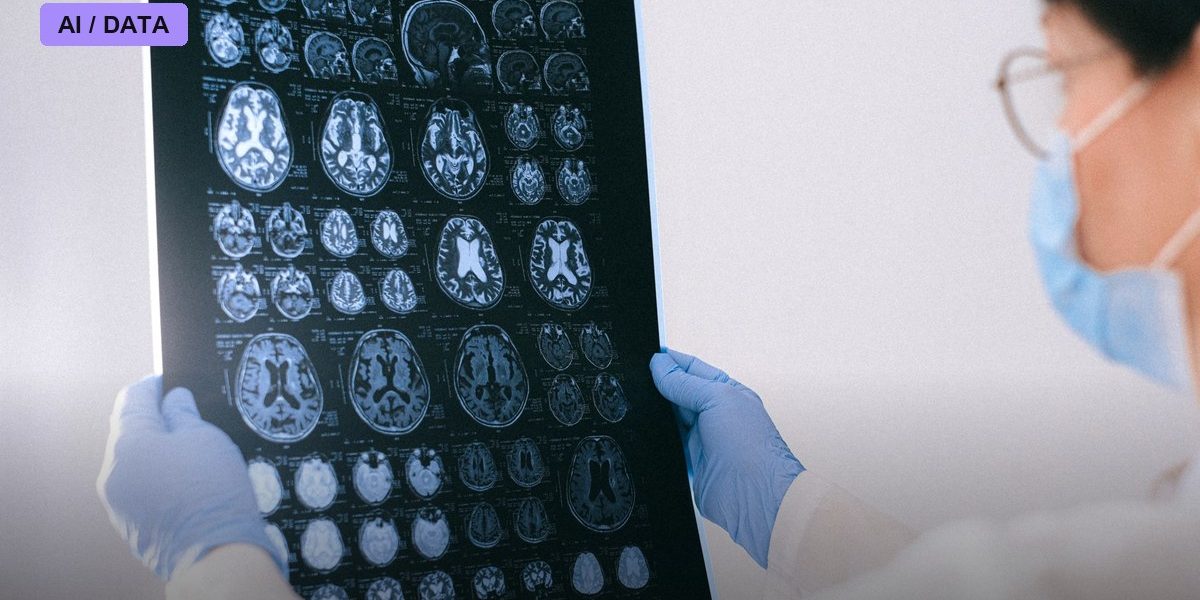
Cleveland Clinic has begun a formal clinical trial testing whether an AI tool can reliably detect and outline suspicious prostate lesions on MRI scans as well as a trained radiologist, a step the health system says is necessary before it trusts the software for routine use ahead of prostate biopsies. The trial, led by principal investigator Dr. Andrei Purysko of the Case Comprehensive Cancer Center and sponsored by Siemens Medical Solutions, was detailed in a Cleveland Clinic newsroom release on August 31, 2026, and covered by television stations WSLS and WKBN in the days following, timed to Prostate Cancer Awareness Month in September.
The technology being tested
The software, called AI Rad Companion Prostate MRI, was built by Siemens Healthineers and received FDA clearance in 2025. It analyzes prostate MRI scans, automatically detects and segments regions that look suspicious for cancer, and assigns a probability score indicating how likely a given area is to contain clinically significant disease. Cleveland Clinic says it is the first health system to deploy the tool inside a clinical trial rather than simply adopting it into practice, which is a deliberate sequencing choice: the trial is registered on ClinicalTrials.gov as an investigation into the AI’s impact on the prostate cancer diagnostic workflow, enrolling patients who are already scheduled for an MRI ahead of a suspected-cancer biopsy.
Why prostate MRI has become a bottleneck
MRI has increasingly become the standard first step for men with elevated PSA levels or other signs of possible prostate cancer, replacing older approaches that sent men straight to biopsy. That shift has been good for patients, sparing many unnecessary biopsies, but it has piled more interpretive work onto radiologists who must carefully read each scan to decide where a biopsy needle should be aimed. Dr. Purysko and colleagues at Cleveland Clinic’s Consult QD publication have described how the AI tool can flag suspicious locations and give surgeons a probability estimate before biopsy, work intended to make the imaging read faster without asking urologists to trust the software’s output blindly.
What the trial is actually measuring
According to Dr. Purysko, the point of running this as a formal trial rather than a quiet rollout is to rigorously test the technology before wider clinical implementation. Specifically, the study is comparing lesion detection rates between the AI system and standard radiologist evaluation on the same scans, looking for two things: whether the AI catches cancers that radiologists miss, and just as important, whether it has blind spots of its own that a radiologist would catch instead. That second question matters because a screening or detection tool that outperforms doctors on average while missing a specific subset of cancers, such as certain low-grade or unusually located tumors, could create a false sense of security if deployed without a human check.
A field getting crowded, and cautious
Cleveland Clinic’s approach reflects a broader tension in prostate-imaging AI right now. In June 2026, University College London announced a separate, larger trial called PARADIGM, recruiting centers across 14 countries to test AI against expert radiologists in prostate cancer MRI reading, driven by a global shortage of radiologists capable of reading these increasingly common scans. A commentary published on UroToday around the same period described the prostate cancer AI diagnostics space as fast, crowded, and hopefully open, a nod to concern among urologists that multiple competing AI vendors are racing to market without enough head-to-head comparison data showing which tools actually perform best, or whether they perform consistently across different scanner brands and patient populations.
What’s next
Cleveland Clinic has not given a public timeline for when it expects results from its AI Rad Companion trial, but Dr. Purysko has said the data will determine whether the tool moves from trial use into standard clinical practice at the health system. More than 330,000 men are projected to be diagnosed with prostate cancer in the United States in 2026, and with prostate MRI now the default first test in many guidelines, the outcome of trials like this one, together with UCL’s multi-country PARADIGM study, is likely to shape which AI tools radiology departments feel confident deploying without a second human read.
Photo: Anna Shvets / PEXELS via Pexels