Chai Discovery, a startup building AI models for protein and biologic design, announced a new partnership with GSK on October 9 to co-develop biologic drug candidates using its structure-prediction platform. The deal is Chai’s sixth pharma partnership signed in nine months, following agreements with other drugmakers earlier this year, and it comes as the company is valued at roughly $3.8 billion, according to industry trade coverage. That figure represents a significant climb for a company founded only a few years ago, underscoring how quickly investors have moved to price protein-design startups once they land even a single marquee pharma partner, let alone six in under a year.
What the Platform Actually Does
Chai’s core technology predicts how proteins and antibodies will fold and interact with target molecules, a computational step that traditionally required months of wet-lab experimentation to narrow down candidate designs. For biologics specifically — drugs made from living cells rather than synthesized chemicals, such as antibodies and other large-molecule therapies — the design space is enormous, and GSK’s own pipeline leans heavily on biologics for oncology and immunology programs. The GSK deal will have Chai’s models help prioritize antibody candidates before they enter GSK’s lab-based screening process.
A Crowded Week for AI-Biologics Deals
Chai’s announcement landed in the middle of a cluster of similar deals. Carterra said on October 11 it had launched a research collaboration with AstraZeneca on what it calls lab-in-the-loop drug discovery, feeding real-time experimental data back into computational models as they run. Separately, contract manufacturer Lonza announced a partnership with a company called Onava to combine computational biologics design with its own experimental expression data. Taken together, the deals suggest large pharmaceutical companies are now routinely pairing in-house wet labs with outside AI design shops rather than building the software in-house.
Why Pharma Keeps Buying Rather Than Building
GSK’s decision to partner with an outside startup rather than develop comparable software internally reflects a pattern across the industry: training a protein-design model competitive with Chai’s requires both machine-learning talent that is scarce and in demand across tech, and access to proprietary structural datasets that take years to assemble. By signing deals instead, pharma companies get access to a model’s predictions while the startup absorbs the cost of continually retraining and improving it across multiple client relationships, which in turn gives Chai more diverse data to refine its platform.
The Skeptical Read on Six Deals in Nine Months
Not everyone treats the deal pace as unambiguously good news for Chai. A rapid cadence of partnership announcements can also reflect a startup prioritizing headline deals and valuation markers over deep, resourced collaborations with any single partner — pharma companies have a long history of signing exploratory AI agreements that quietly lapse once a program fails to produce a clinical candidate. Industry trackers still count zero AI-discovered drugs that have reached FDA approval, which means every one of these partnerships remains, for now, a bet on future output rather than a proven return.
GSK’s Own Stake in the Outcome
For GSK, the partnership is also a hedge against being out-innovated by rivals like AstraZeneca, which has pursued a similar AI-drug-discovery strategy and seen its shares benefit from investor enthusiasm about the approach, according to recent market commentary. GSK has not disclosed the financial terms of the Chai agreement, but biologics make up a growing share of its late-stage pipeline, making faster antibody triage commercially material even before any single drug reaches patients.
Looking Ahead
The real test for Chai and its pharma partners will arrive only when one of these AI-assisted biologic candidates reaches, and clears, a Phase III trial — the stage at which Insilico Medicine’s own AI-originated drug candidate is currently being tested on a limited patient sample. Until a biologic designed this way earns approval, GSK’s deal and the five that preceded it remain evidence of enthusiasm for the method, not proof that it works. Investors and rival pharma companies alike are likely to treat the next twelve to eighteen months as the period in which that question gets answered, since several of Chai’s earlier-signed partnerships should by then have produced enough preclinical data to show whether the platform’s predictions are translating into viable drug candidates or simply generating more computational noise for human researchers to sift through.
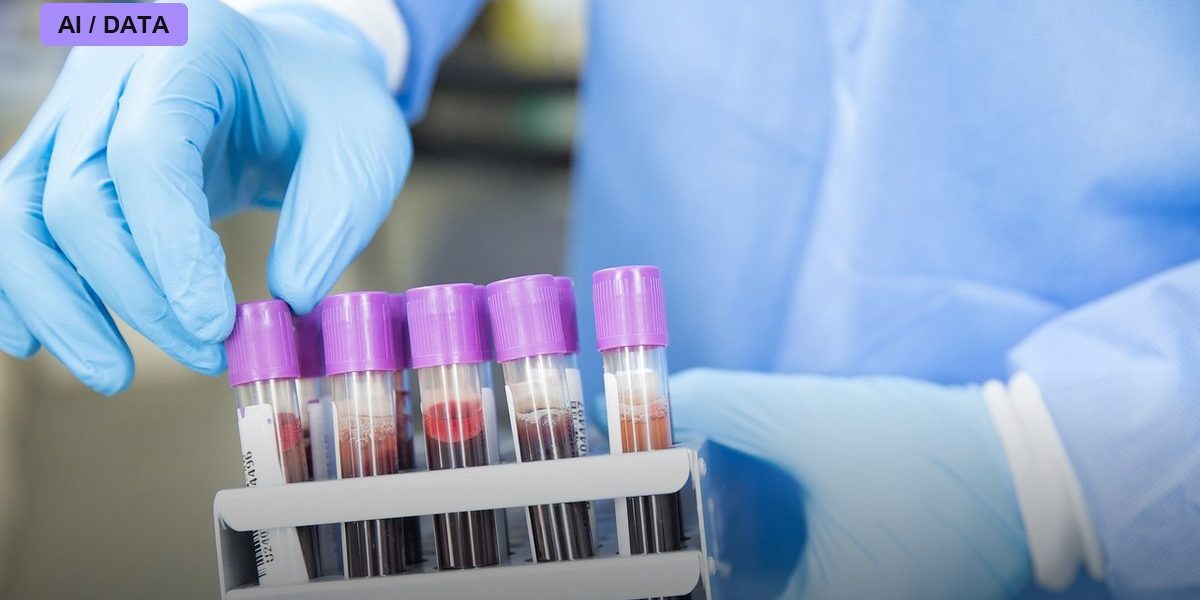
Photo: AhmadArdity / PIXABAY via Pixabay