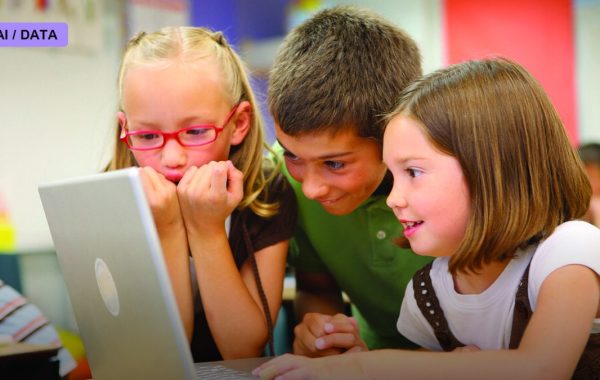
Cheat or Tutor? Schools Grapple With AI as 88% of Students Use It
With 88% of students now using AI for assessments, schools face a hard question: where does help end and cheating begin? In 2026, policy is racing to catch up.

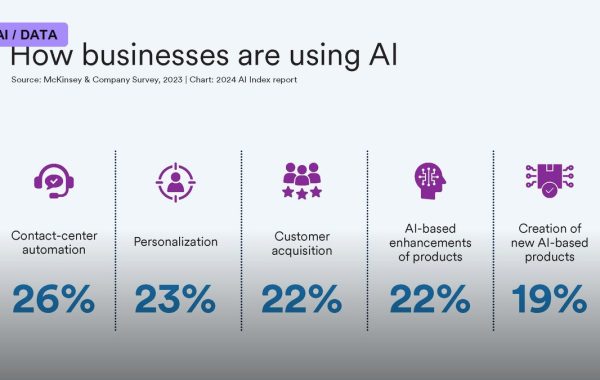
Agentic AI is moving from answering questions to taking action — autonomously shopping, booking flights and planning entire trips, with tools like ChatGPT's checkout serving hundreds of millions.
AI design and video tools — Firefly, Canva, Runway and more — are putting professional-grade creativity in everyone's hands, transforming how images and video get made in 2026.
From anonymizing court rulings to speeding up benefits and aiding policing, governments worldwide are quietly deploying AI in public services — with real benefits and real risks.
From MyFitnessPal's new AI Coach to adaptive workout planners, AI is becoming a personal trainer and nutritionist in your pocket — turning health data into tailored, everyday guidance.
Real-time AI translation is quietly dissolving language barriers in commerce, travel and daily life — connecting people and boosting trade in ways once thought impossible.
From fall-detecting wearables to companion robots, AI-powered tools are helping seniors live safely and independently at home — one of the most human applications of the technology.
From AI-driven dynamic pricing on electronic shelf labels to camera-equipped smart carts, supermarkets are deploying AI across the aisle — reshaping how millions shop for groceries.
AI tools now generate 41% of all code and 84% of developers use them — yet nearly half don't fully trust the output, exposing the messy reality of AI in everyday software work.
AI is reinventing how we watch — serving personalized camera angles, commentary and stats during live events, as the media-and-entertainment AI market hits $35.8 billion in 2026.