AI Is Now the Hacker’s Best Weapon — and the Defender’s Too
AI-generated phishing, deepfake fraud and autonomous attack agents are outpacing enterprise defenses in 2026 — with 94% of organizations calling AI the biggest force shaping cybersecurity.
A June flurry of releases reshaped the AI leaderboard: Anthropic's Claude Opus 4.8 tops the benchmarks, with Google's Gemini, OpenAI's GPT-5.5 and xAI's Grok close behind.
Enterprises are deploying autonomous AI agents that act, not just answer — with NVIDIA, ServiceNow and SAP shipping governed agents and 40% of business apps set to feature them by year's end.
AI has swept through education — adopted by most schools and nearly all students — with tutors like Khanmigo posting measurable learning gains as regulators race to set guardrails.
Over half of 2026's layoffs cite AI, and young workers are hit hardest — but new research finds firms are cutting jobs regardless of whether the technology actually delivers returns.
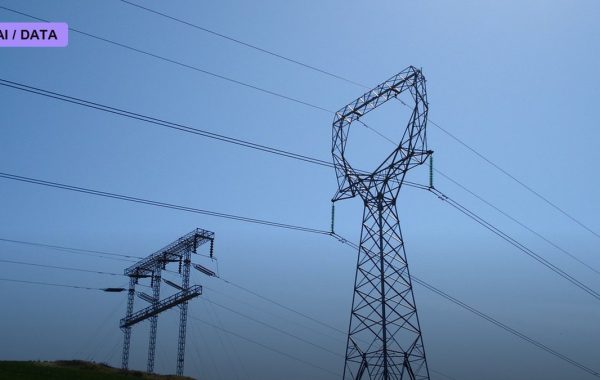
Data centers could consume 1,050 TWh in 2026 — enough to rank as the world's fifth-largest 'country' for power. The limit on AI's growth is now the grid, not the silicon.
Samsung's June Galaxy Watch update adds AI features — Vitals, Heart Health Score, Daily Cardio Load and Fitness Index — that turn raw biometrics into daily, actionable guidance.
AI chatbots now run most routine support interactions, with 91% of mid-sized firms using them and the market headed for $15 billion in 2026 — reshaping a giant cost center.
AI-discovered drugs have flooded into clinical trials — 200-plus and counting — but none has yet won FDA approval, making 2026 the year the field has to prove it works.
Fed by sensors, drones and satellites, AI is now predicting yields, catching disease early and guiding irrigation — with precision-farming adopters seeing up to 20% higher yields.