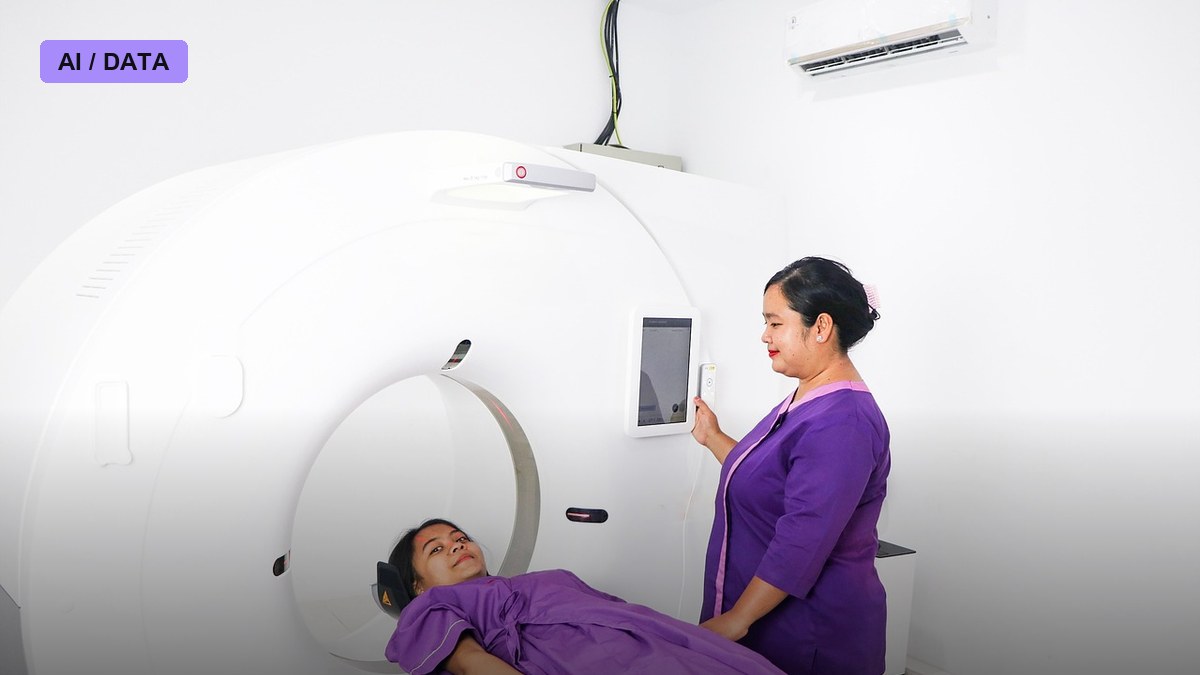
At the World Conference on Lung Cancer, held in Seoul from September 12 to 15, 2026, researchers presented data showing that an AI tool built to catch incidental lung nodules on CT scans identified more lung cancer cases than a conventional low-dose CT screening program running on its own. The conference, hosted by the International Association for the Study of Lung Cancer and held in Seoul for the first time in 19 years, dedicated multiple sessions to how AI-based nodule detection could be the missing piece in expanding lung cancer screening beyond the small group of smokers currently eligible for it.
The specific finding
Researchers used Softek’s Illuminate AI software to scan for pulmonary nodules that were spotted incidentally, meaning nodules found on CT scans that patients received for unrelated reasons, such as a chest scan following a car accident or a workup for pneumonia, rather than as part of a dedicated lung cancer screening visit. When deployed as a complement to an existing low-dose CT screening program, the algorithm surfaced additional lung cancer cases that the screening program alone did not catch, according to data presented at the conference and reported by The Imaging Wire on September 16, 2026. The logic is straightforward: most CT scans of the chest are not ordered for cancer screening at all, so a nodule can sit unnoticed in someone’s medical record for years unless a system is actively rechecking every scan for warning signs, regardless of why it was originally ordered.
Why incidental detection matters more than it sounds
Lung cancer screening guidelines in the United States currently apply only to people age 50 to 80 with a substantial smoking history, a group that excludes a meaningful share of people who are eventually diagnosed with the disease, including many lifelong non-smokers. Conference sessions in Seoul specifically addressed expanding low-dose CT screening to high-risk people without a smoking history, and framed incidental nodule detection software as a practical workaround: rather than waiting for broader screening eligibility rules to change, hospitals can run AI over the millions of chest CTs already being performed for other reasons and catch cancers that would otherwise surface only when a patient becomes symptomatic, often at a later and less treatable stage.
A second thread: predicting risk, not just spotting nodules
Sessions at WCLC 2026 also covered research applying an AI model called Sybil, originally built to assess lung cancer risk from CT scans, to coronary artery calcium scans, a type of heart-focused CT scan that is increasingly common as a cardiovascular risk assessment tool. Researchers found Sybil could also forecast lung cancer risk over a 15-year follow-up window in that data, for both smokers and non-smokers, according to conference coverage. That suggests hospitals may eventually be able to extract lung cancer risk signals from scans originally ordered for entirely different purposes, further widening the pool of patients who benefit from AI-assisted review without requiring a dedicated screening visit.
The caveats conference speakers raised
Presenters were careful to note that commercial AI products for lung nodule management vary widely in what they actually do. A companion study reviewed at the conference, characterizing CE-marked AI products for lung nodule analysis, found that many tools only partially cover the tasks laid out in clinical nodule-management guidelines, meaning some products flag a nodule’s presence but do not reliably track its growth over time or triage it by malignancy risk the way a full clinical protocol requires. That gap matters because a nodule detection tool that isn’t paired with a solid follow-up and tracking system can generate false alarms or, just as concerning, give clinicians false reassurance about nodules that need monitoring.
What’s next
IASLC officials at the Seoul conference framed AI-assisted incidental detection as one of the more immediately actionable tools for expanding lung cancer screening access, since it doesn’t require new screening infrastructure, just software layered onto CT scans hospitals are already performing. Hospitals that adopt tools like Illuminate will need to build referral pathways so that an AI-flagged nodule actually results in a pulmonology follow-up rather than sitting in a report that no one acts on, a workflow problem that has undercut incidental-finding software in the past. Conference organizers said further real-world outcome data, tracking whether these AI-flagged patients are diagnosed at earlier, more treatable stages, is expected at future IASLC meetings.
Photo: goesstock / PIXABAY via Pixabay