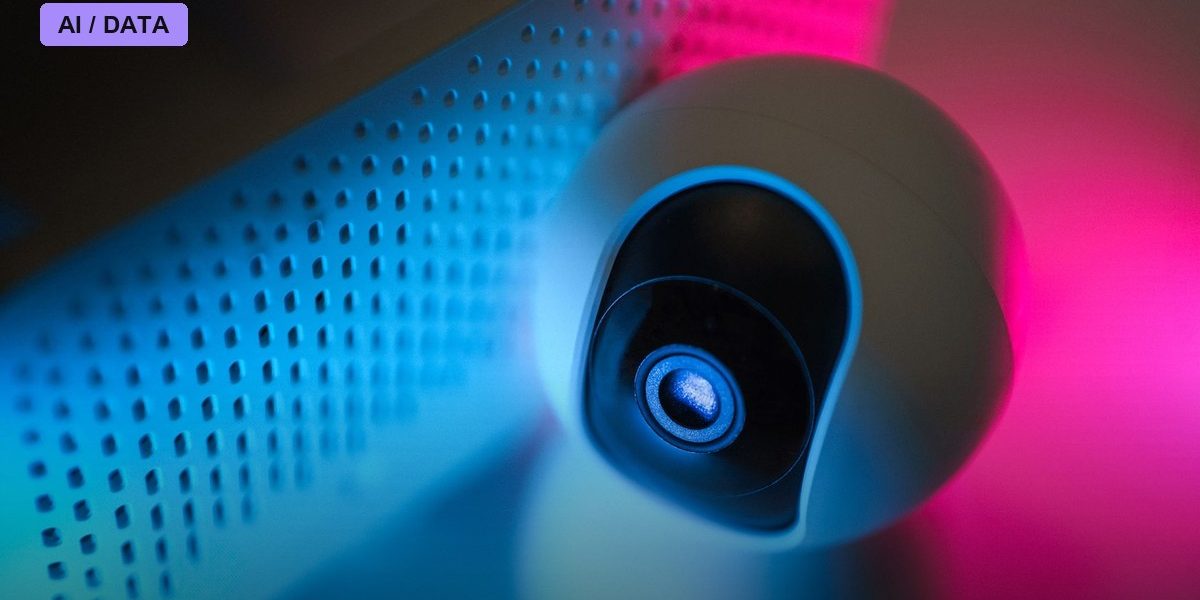
Apple is preparing to enter the home security camera market with a product built around a deliberately unusual premise: instead of recording and storing video the way nearly every competitor does, the device would use on-device AI to interpret what is happening in a room and flag only the relevant events, according to Bloomberg reporting cited by MacRumors on September 4, 2026.
What Apple is reportedly building
The camera and an accompanying monitoring service are expected to arrive in 2027, positioned as a privacy-first alternative to conventional smart-home cameras from companies like Ring, Nest and Arlo. Ahead of that, Apple is reportedly planning to release a dedicated smart-home hub before the end of 2026, a device meant to serve as a central controller for HomeKit-compatible accessories and to lay the groundwork for the camera’s eventual arrival. The strategy mirrors Apple’s broader push into home intelligence, following years in which rivals moved faster into cameras, doorbells and connected sensors while Apple largely stayed on the sidelines beyond software-level HomeKit support.
The core pitch: analysis instead of storage
What distinguishes Apple’s approach, according to the reporting, is a shift from capturing continuous video footage to having the device’s AI monitor the surrounding environment and generate summaries or alerts about what it observes, rather than retaining a searchable video archive by default. That would build on Apple’s existing HomeKit Secure Video service, which already offers end-to-end encryption and iCloud-based storage, and aligns with features expected in iOS 27, including motion-alert summaries and cross-camera footage grouping available through iCloud+ subscriptions.
Why the framing matters
Traditional home security cameras have become one of the most scrutinized product categories in consumer AI privacy, precisely because they combine always-on recording with cloud storage that can be subpoenaed, breached, or in some documented cases, accessed inappropriately by company employees. By emphasizing on-device analysis over stored footage, Apple appears to be betting that consumers increasingly distrust the default assumption that a home camera must keep a running video library of everything it sees. The approach would also reduce the amount of sensitive footage sitting on remote servers, a key concern regulators have raised about competitors’ cloud-video products.
Skeptical questions from analysts
Not everyone is convinced the AI-summary approach solves the underlying privacy problem. Industry analysts note that "monitoring the environment with AI instead of storing video" still requires processing raw camera and microphone input somewhere, meaning the privacy benefit depends entirely on implementation details Apple has not yet disclosed — whether that analysis happens fully on-device, what metadata or event summaries get uploaded to iCloud, and how long any derived alerts or clips are retained. Competitors in the space, including firms building on Google’s Nest platform, have made similar privacy-forward claims in the past that were later found to still involve cloud processing for some features, a pattern privacy researchers say makes marketing language worth scrutinizing rather than taking at face value.
How this fits Apple’s broader home strategy
The camera plans arrive alongside Apple’s rumored smart-home hub, suggesting the company is trying to build an integrated ecosystem — hub, camera, and existing HomeKit accessories — rather than a single standalone gadget. That mirrors Apple’s historical pattern of entering established categories later than competitors but bundling new hardware tightly with its existing services and privacy commitments, as it did with Apple Watch health features and, more recently, HomeKit Secure Video itself.
What it means and what’s next
If Apple’s on-device AI approach performs as described, it could reset consumer expectations for what a "smart" security camera should do by default, pushing rivals to reduce their own reliance on cloud video storage. But with the product still roughly a year from release and key technical details undisclosed, the more immediate signal is directional: Apple is positioning privacy-preserving AI analysis as a selling point in a category long defined by the opposite trade-off, constant recording in exchange for convenience. Whether that promise survives contact with real-world implementation, subscription pricing and law-enforcement data requests will be the real test once the hardware ships.
Bloomberg’s reporting does not detail pricing for either the hub or the camera, but Apple’s existing HomeKit Secure Video tiers already require an iCloud+ subscription to unlock extended history and multi-camera support, and analysts expect any new camera hardware to follow a similar model rather than a one-time purchase. That subscription dependency is itself a point of friction for some privacy-conscious buyers, who note that a service built around AI analysis rather than raw footage still requires trusting Apple’s servers with derived summaries of what happens inside a home, even if the underlying video never leaves the device.
Photo: Jakub Zerdzicki / PEXELS via Pexels