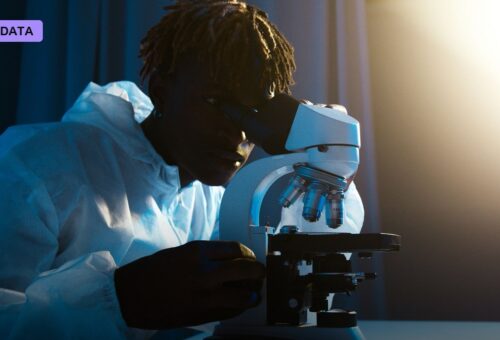
Anthropic published findings in late October describing early progress using its Claude AI models to accelerate stages of drug development, adding the company to the list of AI labs explicitly positioning their general-purpose models as tools for pharmaceutical research rather than leaving that ground entirely to specialized biotech-native startups like Chai Discovery and insitro. The report frames Claude’s role as augmenting specific research tasks rather than replacing dedicated drug-discovery platforms.
How a general-purpose AI model fits into drug development
Unlike purpose-built protein-folding or molecule-generation models, large language models like Claude are generally applied to tasks such as literature synthesis, experimental design assistance, and organizing and interpreting the enormous volume of research data a drug program generates. That makes them complementary to, rather than competitive with, specialized biological prediction tools, addressing the coordination and communication bottlenecks that slow research teams down as much as the core scientific prediction problem.
Why Anthropic is highlighting this now
As pharma companies increasingly commit billions of dollars to dedicated AI drug-discovery partnerships, general-purpose AI labs have an incentive to demonstrate relevance to the same customer base rather than ceding the sector entirely to specialized competitors. Publicizing early drug-development use cases helps Anthropic make the case that enterprise customers in life sciences should consider Claude as part of their broader research stack, alongside rather than instead of specialized tools.
Context: the crowded AI-for-pharma landscape
The announcement arrives amid a wave of AI-pharma partnerships, including Roche’s new deal with Chai Discovery and AstraZeneca’s roughly $1.5 billion commitment to insitro, each pursuing differentiated technical approaches to the same underlying goal of faster, cheaper drug discovery. Anthropic’s entry underscores how broad the competitive field for “AI in pharma” has become, spanning specialized startups, general AI labs and in-house efforts at the drug companies themselves.
What independent validation would require
Early progress reports from AI labs about their own technology’s effectiveness are, by nature, self-reported rather than independently peer-reviewed, and the history of AI drug discovery claims includes plenty of promising early results that didn’t translate into approved drugs. Industry observers typically withhold full confidence in such claims until they’re validated through actual clinical trial outcomes or independent academic replication.
What’s next
Watch for whether Anthropic formalizes specific pharmaceutical industry partnerships, similar to those other AI companies have struck, or continues to position Claude as a general-purpose tool available to any life sciences customer. Independent case studies from actual drug developers using Claude in their workflows would be the more meaningful signal of real-world impact.
Photo: Matheus Bertelli / PEXELS via Pexels