An analysis of AI studies presented at the American Heart Association’s 2026 meeting in Chicago, published November 9, found the technology performed well on technical accuracy measures but that no study yet demonstrated improved hard clinical outcomes for patients. One highlighted trial randomized 530 chest-pain patients to either AI-measured coronary artery plaque assessment from CT scans or a standard stress test, with full results expected in early 2027.
The gap between accuracy and outcomes
AI models in cardiology have repeatedly demonstrated strong performance on narrow technical benchmarks — correctly identifying plaque, arrhythmias or structural abnormalities from imaging — but translating that accuracy into measurably better patient outcomes, such as fewer heart attacks or deaths, requires a different and much harder category of evidence. The AHA 2026 review’s core finding is that cardiology AI remains stuck at the first milestone without yet clearing the second.
Inside the 530-patient chest-pain trial
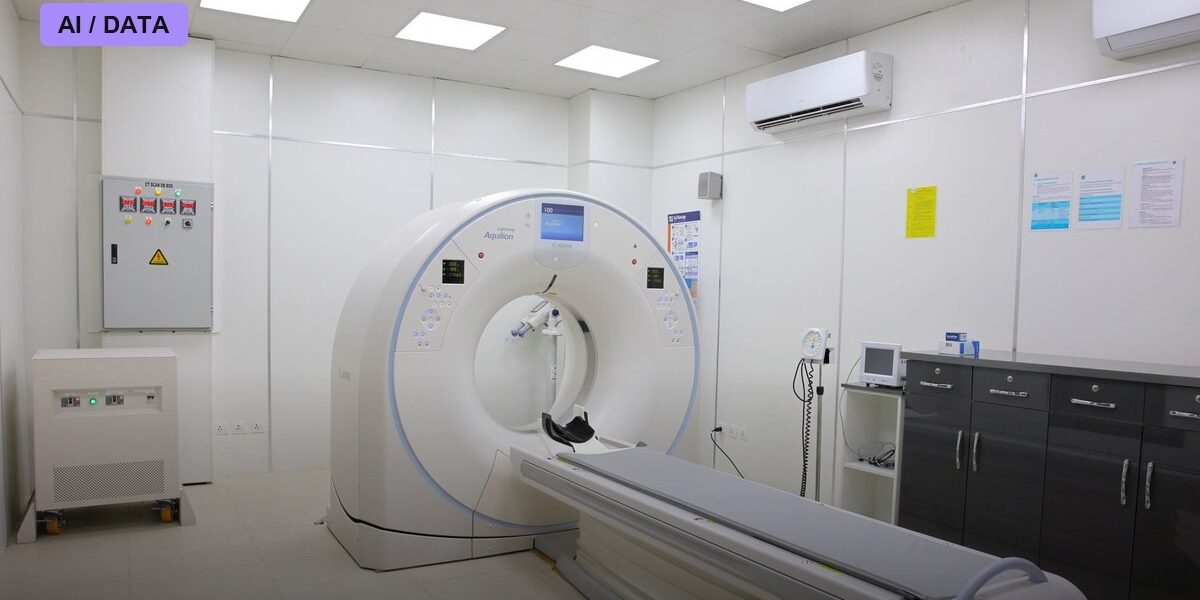
The study compared AI-measured coronary artery plaque burden from CT imaging against a conventional stress test in patients presenting with chest pain, a comparison aimed at determining whether the AI-assisted imaging pathway leads to better diagnostic decisions and, ultimately, better outcomes than the existing standard of care. The trial’s full publication, expected in early 2027, will be the first real test of whether the approach changes clinical management in ways that matter to patients.
A notable conflict-of-interest caveat
The analysis specifically flagged that the company behind the AI software being tested ran the trial itself, a detail that doesn’t necessarily undermine the results but does mean independent replication will carry extra weight before the findings reshape clinical guidelines. Industry-sponsored trials of a company’s own technology are common in medical device development, but they typically face more scrutiny than independently run studies.
Why outcome data is the right bar, not accuracy alone
Medical AI critics have long argued that accuracy metrics, while necessary, are an insufficient basis for clinical adoption, since a highly accurate tool that doesn’t change physician behavior or patient management in ways that improve survival or quality of life hasn’t actually proven its clinical value. The AHA 2026 reviewer’s cautious framing — tools performing well, but no proven outcome improvement — reflects a maturing, more skeptical standard being applied to cardiology AI after several years of accuracy-focused hype.
What’s next
The early 2027 publication of the 530-patient chest-pain trial will be the most concrete near-term test of whether AI-assisted cardiac imaging translates into outcome benefits. Independent replication beyond industry-sponsored trials will likely be necessary before major cardiology societies update clinical guidelines to formally recommend AI-assisted imaging pathways.
Photo: contact me +923323219715 / PEXELS via Pexels