Most of the attention on AI and elder loneliness has gone to tabletop robots that talk back. Researchers at Kennesaw State University, in Georgia, are testing a different bet: an app called Sandrapp — short for Supporting Adults Needing Direct Relationship App — that uses AI not to converse with isolated older adults itself, but to match them with other people who share their values, beliefs, and life experiences, aiming to produce real human relationships rather than another device to talk to.
A Different Approach to an Old Problem
According to Kennesaw State researchers, Sandrapp’s design choice is deliberate. Unlike AI companion products built around sustained conversation with the software, Sandrapp treats the AI as a matchmaker: it analyzes profile information, interests, and life history to connect seniors who are likely to click, then gets out of the way so the relationship can happen by phone, video call, or in person. The pitch is that technology should be a bridge to other people, not a replacement for them.
The Scale of the Loneliness Crisis
The research targets a well-documented problem. University of Michigan researchers have found that one in three Americans between the ages of 50 and 80 report feeling lonely, and one analysis found older adults with fair or poor mental health reported loneliness rates as high as 75% in 2024. The demographic pressure is only building: the Population Reference Bureau projects the U.S. population aged 65 and older will reach 82 million by 2050, even as demand for home health care is expected to grow 46% by 2030, requiring more than a million new caregiving jobs the industry is already struggling to fill. That workforce gap is a big part of why universities and startups alike are experimenting with software as a partial substitute.
The Robot in the Room
Sandrapp is entering a field already dominated by a very different product: ElliQ, a tabletop companion robot made by Intuition Robotics and distributed through state aging agencies, including a New York State Office for the Aging program that provides it free to residents like Sandra Cota, a 79-year-old who has lived alone since her mother died three years ago. ElliQ carries an annual subscription of $600 to $1,000 and offers medication reminders, exercise prompts, and games; New York’s own data found 95% of users reported it helped reduce loneliness and improve well-being. “It’s helped my mental health in that I feel like I have a roommate,” Cota has said. ElliQ founder and CEO Dor Skuler has described the goal as building “an AI that can build a trustful, benevolent relationship with older people” — but notably, Skuler’s team also caps how many interactions users can have with the device and runs organized group activities, including twice-weekly bingo, specifically to push users toward offline contact with other people. Sandrapp is effectively starting from that same conclusion rather than arriving at it after the fact.
What a Psychologist Sees as the Risk
Not everyone is convinced software-brokered companionship, in any form, is an unambiguous good. Alton Bozeman, a psychologist at the Menninger Clinic in Houston, has warned that AI companions can reinforce rather than relieve isolation, since the systems “kind of try to predict where they think we want the conversation to go” — which can mean amplifying depressive thinking patterns rather than challenging them. Bozeman’s sharper warning is structural: “It might be easier for somebody who’s elderly to use this AI as maybe an excuse or opportunity to isolate more.” That critique cuts both ways for Sandrapp. By design it pushes users toward real people rather than toward the software itself, which should blunt the dependency risk Bozeman describes — but only if the matches it generates actually convert into relationships seniors follow through on, rather than becoming one more screen to swipe through alone.
What’s Next
Sandrapp remains in development and pilot testing at Kennesaw State, and its success will hinge on a harder question than whether the matching algorithm works: whether older adults with limited tech literacy or mobility actually complete the loop from an app-generated match to an ongoing relationship. The broader field is now visibly splitting into two bets — synthetic companionship modeled on ElliQ, where the AI itself is the relationship, and tech-brokered human companionship modeled on Sandrapp, where AI is scaffolding for a relationship with someone else. Neither approach yet has independent, long-term data proving it reduces loneliness rather than just its symptoms, which means the next few years of pilot results, not the current marketing, will determine which model aging agencies and families actually trust.
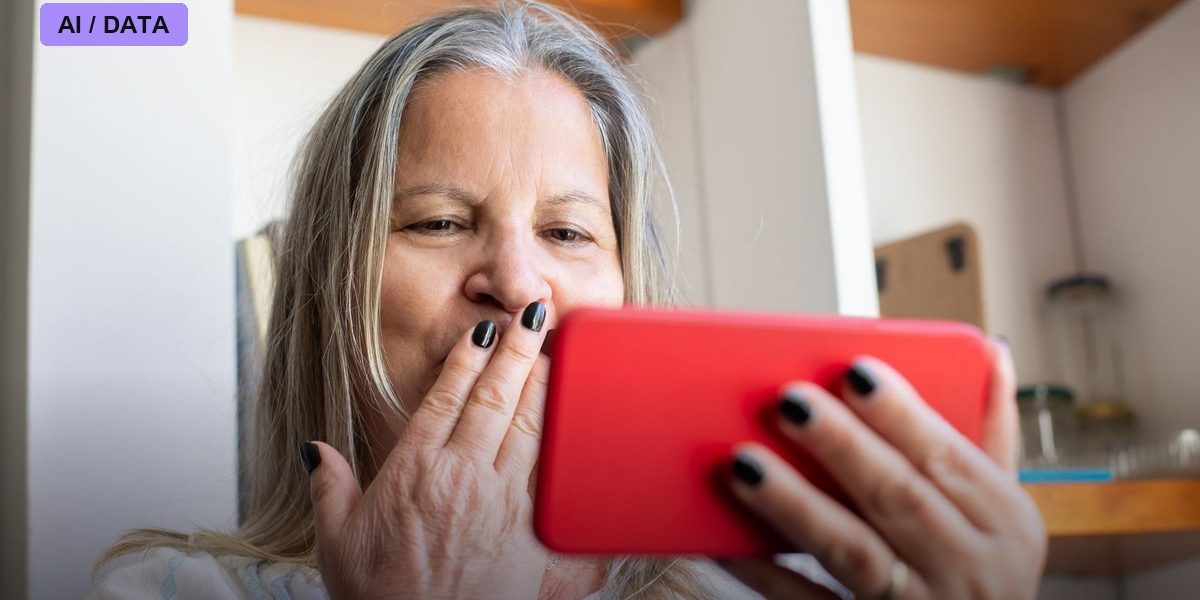
Photo: Kampus Production / PEXELS via Pexels