Proximal Ventures, a San Francisco early-stage venture firm led by founder Sahir Raoof, has closed its debut fund at $27.5 million, beating its original $25 million target, according to the firm’s announcement earlier this month. The fund is dedicated entirely to AI-native software and infrastructure companies operating across the life sciences value chain, from drug discovery through clinical development, writing initial checks of between $500,000 and $1.5 million at the pre-seed and seed stages.
Who’s behind the fund
Raoof previously led techbio and pharmatech investing at SignalFire, one of the more active venture firms backing AI-driven biology startups, and SignalFire is now a strategic partner in Proximal’s new fund. That lineage matters in a venture category where domain expertise in both machine learning and pharmaceutical development is scarce; investors without a track record of understanding regulatory pathways, clinical trial design and drug discovery economics can struggle to properly diligence AI life sciences pitches, many of which promise to compress multi-year discovery timelines using large models trained on biological and chemical data.
Why a dedicated AI-native life sciences fund now
The fund’s debut comes amid a broader surge of venture interest in applying large language models and other AI techniques to biology and medicine, a category that has attracted massive rounds for companies like Isomorphic Labs, the Alphabet-backed drug discovery venture that recently partnered with Merck on AI-designed cancer therapies. Smaller, earlier-stage funds like Proximal’s are betting they can identify the next generation of such companies before they reach the scale that attracts billion-dollar valuations, positioning themselves at the seed stage where returns are highest but risk of failure is also greatest.
The crowded fundraising environment for health AI
Proximal’s close lands in a month that has also seen a wave of other health-AI financings, including Zus Health’s $33 million Series B for its health data platform and multiple FDA clearances for AI diagnostic tools from companies like Tempus and Lunit. That density of activity reflects both genuine technical progress and a venture market eager to deploy capital into AI applications with clearer near-term commercial paths than general-purpose foundation models, where only a handful of companies can plausibly compete at the frontier.
The skeptical view on techbio hype
Not every investor believes the current wave of AI-native life sciences startups will deliver on its promises. Critics of the sector point out that biology remains far more complex and poorly understood than the domains where large language models have shown the clearest gains, such as text and code generation, and that promising preclinical results from AI drug discovery platforms have a long history of failing to translate into approved therapies. Proximal’s relatively small check sizes and seed-stage focus suggest the firm is betting on picking winners early rather than making the kind of concentrated, high-conviction bets some larger funds are placing on a handful of flagship AI biotech companies.
What’s next for the fund
With the fund now closed, Proximal’s near-term task is deploying capital into its first cohort of portfolio companies and building out the operational support — recruiting help, regulatory guidance, and follow-on fundraising introductions — that early-stage life sciences startups typically need beyond just cash. If the fund’s thesis holds, Proximal’s portfolio companies could become some of the more closely watched Series A life sciences raises over the next 18 to 24 months, serving as an early signal of which AI-biology approaches are gaining real commercial traction versus which remain largely speculative.
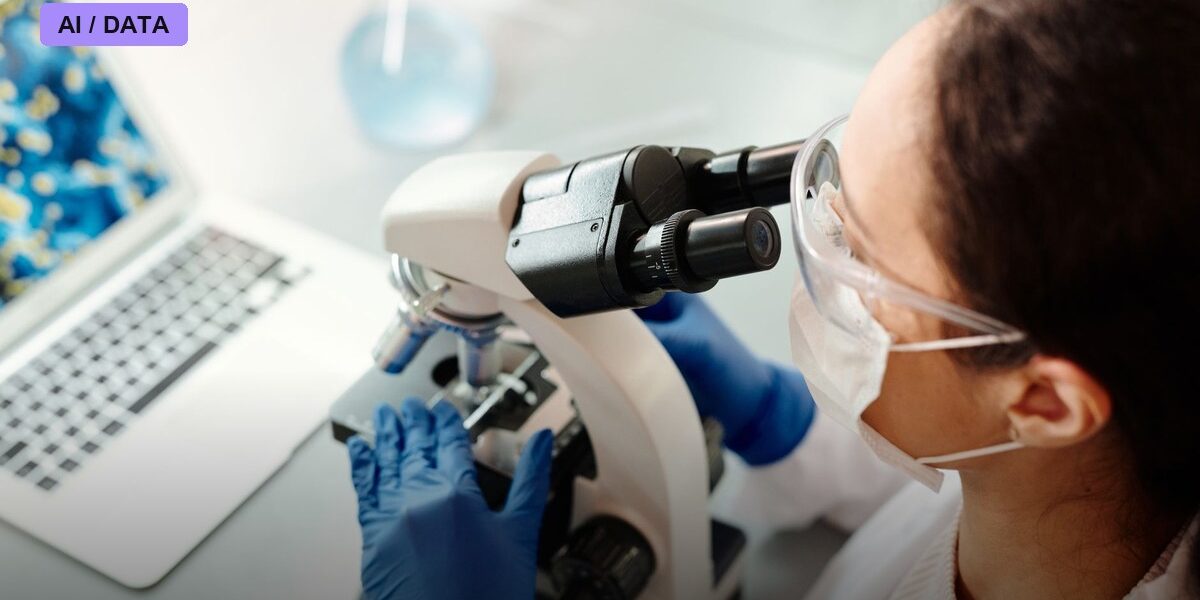
Photo: Edward Jenner / PEXELS via Pexels