Isomorphic Labs, the drug-discovery spinout of Google’s DeepMind, announced a research collaboration with Merck on November 19 focused on designing small-molecule oncology drug candidates using AI, extending Isomorphic’s push to translate its AlphaFold-derived protein-structure prediction technology into actual medicines rather than just research tools. The deal adds Merck to a growing list of major pharmaceutical companies racing to secure AI drug-discovery partnerships as the technology moves from experimental promise toward tangible pipeline contributions.
What Isomorphic actually brings to the table
Isomorphic’s core technology traces back to DeepMind’s AlphaFold breakthrough in predicting protein structures, a capability the company has extended into predicting how small-molecule drug candidates might bind to specific disease-related proteins, potentially compressing the early, trial-and-error-heavy discovery phase that traditionally takes years of laboratory experimentation. For oncology specifically, that could mean identifying promising drug candidates targeting specific cancer-driving proteins faster than traditional medicinal chemistry approaches, though translating a computational prediction into an actual safe, effective drug still requires the full traditional drug-development and clinical-trial process.
How this fits the broader AI drug-discovery gold rush
The Isomorphic-Merck deal joins a remarkably crowded field of similar partnerships announced in just the past few weeks, including Roche’s deal with Chai Discovery, AbbVie’s pact with Iambic Therapeutics, and Eli Lilly’s expanded, multibillion-dollar licensing arrangement with Insilico Medicine. Industry tracker DealForma reported that AI-based drug and target discovery licensing deals reached $47.1 billion in the first half of 2026 alone, already surpassing the full-year 2025 total of $44.6 billion.
Why pharma companies are moving so fast
Large pharmaceutical companies face constant pressure to refill drug pipelines as existing blockbuster patents expire, and AI-assisted discovery offers a potentially faster, cheaper path to new candidates at a moment when traditional R&D productivity across the industry has been widely criticized as too slow and too expensive relative to the output of new approved drugs. Securing a partnership with a well-regarded AI drug-discovery firm has also become something of a competitive signal to investors, demonstrating a company isn’t being left behind in a technology shift peers are embracing aggressively.
The skeptical view on AI drug discovery’s actual track record
Despite the deal-making enthusiasm, relatively few AI-discovered drug candidates have yet made it through full clinical trials to market approval, meaning the technology’s ultimate value proposition — faster, cheaper, more successful drug development — remains more promise than proven record at this stage. Critics note that the hardest, most expensive parts of drug development, including clinical trial safety and efficacy testing in humans, aren’t meaningfully shortened by better computational candidate identification alone.
What’s next
With deal volume at record levels and multiple major pharmaceutical companies now running parallel AI partnerships, the next few years of actual clinical trial results from AI-originated candidates will be the real test of whether this wave of dealmaking translates into genuinely faster, more successful drug development or simply reflects an industry-wide bet that hasn’t yet been validated by outcomes.
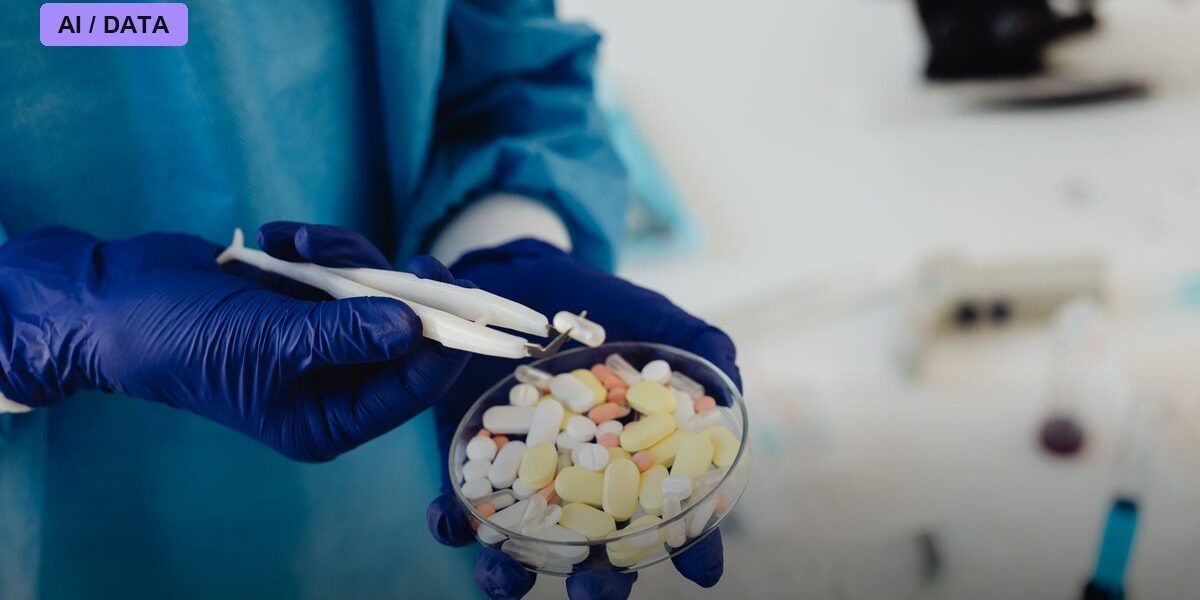
Photo: kaboompics / PEXELS via Pexels