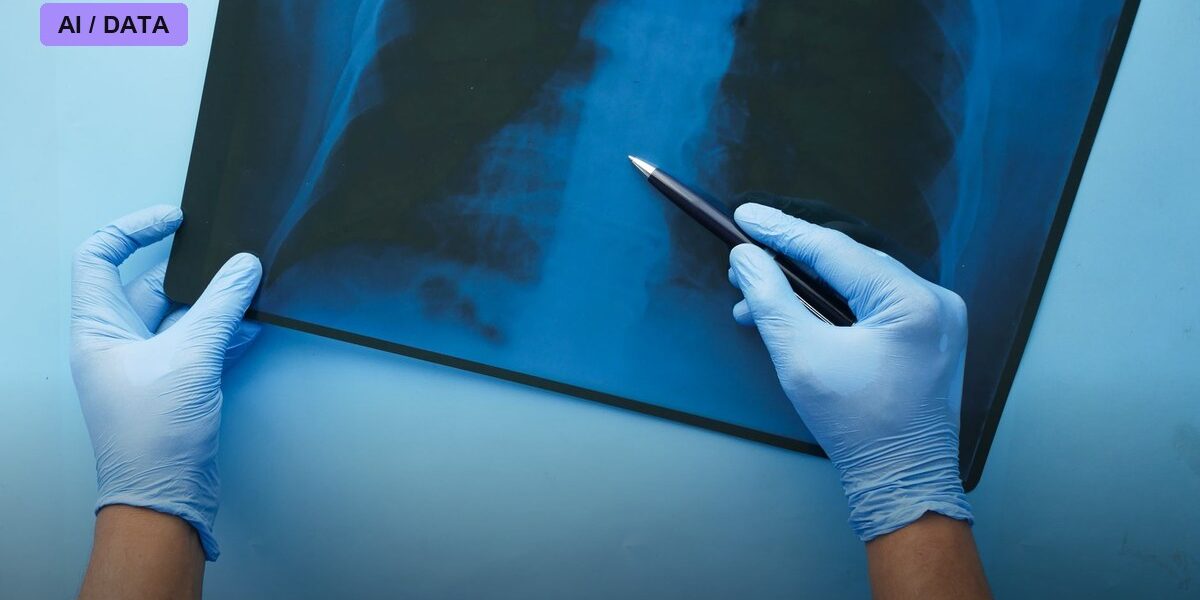
The FDA cleared an AI chest X-ray triage tool from Lunit on November 15, adding to a wave of imaging-AI clearances this month that includes a separate AI breast-cancer detection system cleared just three days later. The Lunit tool is designed to flag abnormal or urgent chest X-rays and push them higher in a radiologist’s worklist, aiming to cut the time between a scan being taken and a clinician actually reviewing it when something looks wrong.
Why triage, not diagnosis, is the target
Lunit’s tool doesn’t replace a radiologist’s read; instead, it re-orders the queue of pending scans so that studies the AI flags as potentially urgent, such as suspected pneumothorax or a mass suggestive of cancer, get reviewed sooner rather than sitting in a first-in-first-out queue alongside routine follow-ups. That distinction matters for FDA clearance purposes, since triage-and-notification software has generally faced a lower regulatory bar than tools making or suggesting an actual diagnosis.
Part of a broader clearance wave this month
The Lunit clearance landed alongside several other imaging-AI authorizations tracked by industry outlets this month, including an AI breast-cancer detection tool cleared November 18, a radiotherapy auto-contouring system from MIM Software cleared earlier in the month, and a pediatric cardiology platform from Cardiologs cleared November 22. Taken together, the clustering illustrates how routine FDA clearance of narrow, workflow-focused AI tools has become in radiology specifically, even as broader diagnostic AI remains more tightly scrutinized.
The capacity problem driving demand
US radiology departments have faced a persistent shortage of trained radiologists relative to imaging volume, a gap that triage tools like Lunit’s are explicitly marketed to help manage by ensuring the most urgent cases don’t wait behind routine scans simply because of queue order. Hospital groups backing a separate diagnostic AI consortium have described the shortage explicitly as a capacity crisis, lending urgency to tools that promise to make existing radiologist time go further rather than requiring more radiologists.
What skeptics want to see
Radiology researchers have cautioned that triage tools can create their own risks if clinicians become overly reliant on AI flagging and spend less attention reviewing cases the software didn’t prioritize, a phenomenon sometimes called automation complacency. Studies validating these tools have also tended to come from a limited number of health systems, raising the usual generalizability question of whether performance holds up across different patient populations and imaging equipment elsewhere.
How hospitals are expected to adopt it
Radiology groups typically pilot new triage AI on a subset of scanners before expanding hospital-wide, a cautious rollout pattern that lets administrators compare turnaround times and missed-case rates against existing workflow before committing to a full deployment. Reimbursement remains a complicating factor, since many AI triage tools are billed as workflow software rather than a separately reimbursable diagnostic service, pushing much of the purchasing decision toward hospital IT and operations budgets rather than clinical billing codes.
What’s next
With multiple imaging-AI clearances landing in the same few weeks, the next test will be real-world turnaround-time data from hospitals that adopt these tools, evidence that would move the conversation beyond regulatory clearance toward demonstrated clinical impact on how quickly patients with urgent findings actually get treated. The FDA’s broader AI-enabled device list has grown to well over a thousand entries across all specialties, with radiology consistently accounting for the largest single share, a concentration regulators and hospital executives attribute to imaging’s comparatively standardized data and the severity of the staffing crunch radiologists face relative to other specialties.
Photo: Towfiqu barbhuiya / PEXELS via Pexels