Mount Sinai Health System in New York announced on November 4 a seven-year agreement with Swedish medical imaging company Sectra to deploy Sectra Reporting, an AI-assisted radiology reporting system, across all of its radiology services — a rollout the health system says will eventually touch more than 1.2 million imaging exams every year.
What the system actually does
Sectra Reporting combines image review, AI-drafted report impressions, quality checks, and sign-off into a single workflow, aiming to replace the fragmented set of separate tools radiologists currently juggle between viewing a scan and dictating findings. Rather than radiologists speaking or typing a report from scratch, the AI component drafts an initial impression based on the imaging findings, which the radiologist then reviews, edits, and signs off on — a model designed to cut the time spent on documentation without removing the radiologist’s final clinical judgment from the process.
Building on an existing relationship
The deal is an expansion of a relationship that predates this announcement: Mount Sinai already uses Sectra’s enterprise imaging platform for radiology, breast imaging, and its enterprise image archive. Sectra says Mount Sinai is the first US health system to adopt it specifically for AI-assisted radiology reporting, positioning the deal as a flagship US reference account the company can point to as it tries to expand reporting-software sales beyond the archiving and viewing products it is already known for in American hospitals.
The timeline, and what’s still unproven
Go-live for the new reporting module is planned for spring 2027, meaning the 1.2-million-exam figure represents Mount Sinai’s current radiology volume rather than measured results from the new system. Sectra has not released outcome data — such as how much time the AI-drafted impressions actually save per read, or whether report turnaround times improve — specific to the Mount Sinai deployment, and the company’s efficiency claims so far are drawn from its broader global product footprint rather than from this contract.
Why health systems are racing toward AI-assisted reporting
Radiology departments nationally are under sustained pressure from a persistent shortage of radiologists relative to rising imaging volumes, a dynamic that has made AI tools promising time savings in the reporting workflow especially attractive to large academic medical centers. Mount Sinai’s move follows a string of 2026 hospital-AI deals of varying scope, including Ohio State Wexner Medical Center’s five-year clinical AI and cloud partnership with Microsoft and UChicago Medicine’s system-wide rollout of Artisight’s smart hospital platform, reflecting a broader pattern of major health systems locking in multi-year AI infrastructure commitments rather than piloting tools in isolated departments.
The competitive landscape Sectra is fighting in
Sectra is not alone in chasing this market. Rival imaging-AI vendors and health IT companies have been pursuing similar reporting and workflow deals throughout 2026, and Sectra itself recently moved to deepen its own AI capabilities by completing its acquisition of Oxipit, an AI radiology developer, a deal aimed at advancing more autonomous AI functions in diagnostic imaging rather than relying solely on third-party AI partners layered on top of its existing archiving software.
What it means for patients and the industry
For patients, the practical effect of deals like this is typically more about turnaround time than diagnostic accuracy — AI-drafted impressions are meant to speed up when a report reaches a referring physician, not to replace the radiologist’s judgment about what a scan shows. For the broader industry, a seven-year commitment from a health system of Mount Sinai’s size is a meaningful vote of confidence in AI-assisted reporting as mature enough for large-scale deployment, but the real test will come in spring 2027 when go-live begins and Mount Sinai’s radiologists start working inside the new system at full volume — the point at which Sectra’s efficiency claims will finally be measured against a flagship US customer’s actual experience rather than projected benefits.
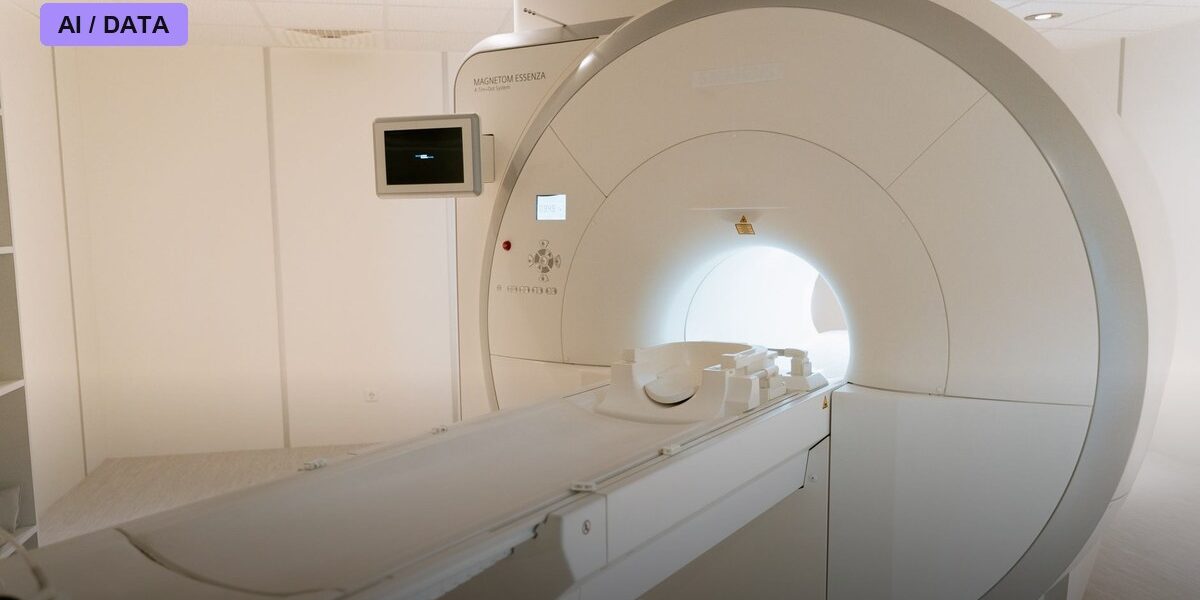
Photo: MART PRODUCTION / PEXELS via Pexels