Laboratoires Pierre Fabre, the French pharmaceutical and dermo-cosmetics group, announced on November 9, 2026 that it has signed a research and development collaboration with XtalPi Holdings, a Hong Kong-based AI drug discovery firm, to design small-molecule cancer treatments. The deal pairs XtalPi’s automated, robotics-driven molecule design platform with Pierre Fabre’s oncology development and commercialization infrastructure, and includes an option to expand into dermatology and rare-disease programs later.
How the collaboration is structured
Under the agreement, XtalPi will use its AI and robotics platform to generate and screen small-molecule candidates against oncology targets that have not been publicly disclosed. Pierre Fabre will then select the most promising compounds and take over clinical and commercial development, a split that mirrors a pattern increasingly common in pharma-AI deals: the AI partner handles computational design and automated synthesis, while the established drugmaker owns regulatory filings, trials, and eventual sales.
Financial terms only partly disclosed
Pierre Fabre and XtalPi confirmed the deal includes an upfront payment, development and commercial milestone payments, and downstream economic participation such as royalties, but neither company disclosed the dollar amounts involved. That pattern of partial disclosure has become typical in 2026 pharma-AI partnerships, where companies publicize the existence and scope of a deal while keeping specific milestone figures confidential until a program advances.
XtalPi’s robotics-first approach
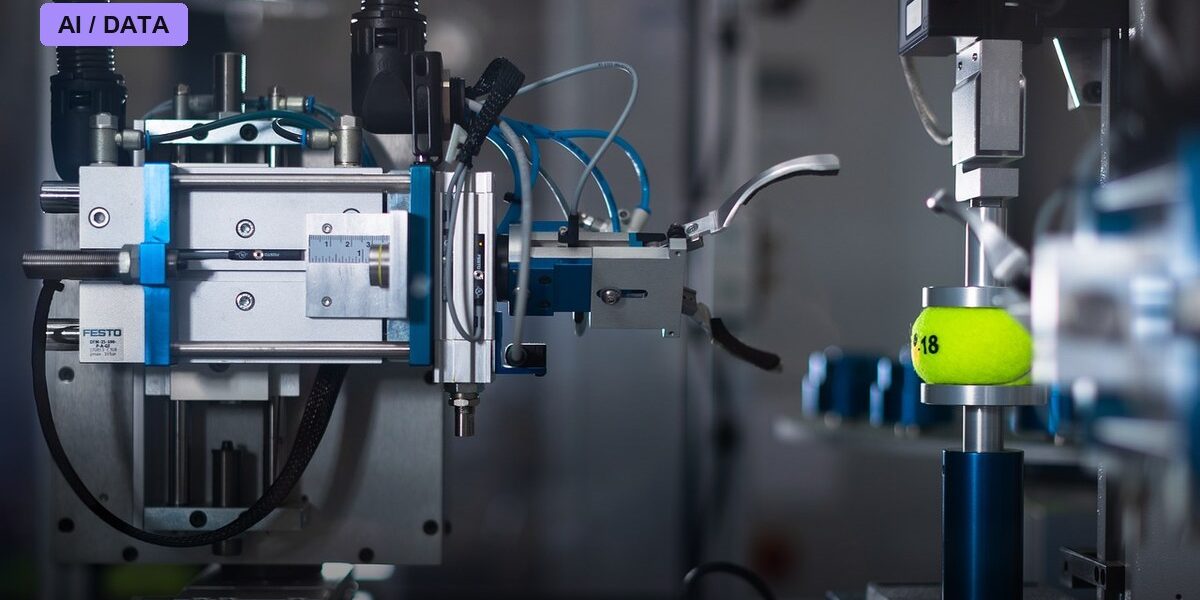
XtalPi has built its reputation on combining quantum physics-based simulation, machine learning, and robotic laboratory automation to both design and synthesize candidate molecules faster than traditional medicinal chemistry teams. The company has already signed collaborations with a string of other drugmakers in 2026, and the Pierre Fabre deal extends that roster into French oncology research specifically, an area where Pierre Fabre already markets established cancer treatments and has in-house clinical development capacity.
Part of a broader 2026 dealmaking wave
The Pierre Fabre-XtalPi pact lands amid a broader surge in AI-pharma licensing activity this year. Eli Lilly’s roughly $2.75 billion licensing agreement with Insilico Medicine, AstraZeneca’s up to $1.5 billion deal with insitro, and Takeda’s roughly $600 million collaboration with Insilico have all been announced in 2026, with industry tracker DealForma estimating AI-based pharma licensing deals topped $47.1 billion in the first half of the year alone. Legal advisers Hogan Lovells and Cadwalader, who represented Pierre Fabre on the R&D collaboration, issued their own notice on the deal on November 17, underscoring how routine these AI-drug-discovery partnerships have become for major law firms’ pharma practices.
Two views on what these deals deliver
Supporters of the AI-partnership model argue that platforms like XtalPi’s can compress years off early-stage discovery timelines by running thousands of simulated and robotically synthesized candidates in parallel, screening out poor performers before they ever reach expensive animal or human testing. Skeptics within the industry counter that most of these partnerships remain unproven at the level that matters most — getting an AI-designed molecule through Phase 2 or Phase 3 trials and onto the market — and that the real test of 2026’s dealmaking wave won’t arrive until these oncology candidates clear early clinical hurdles, which for most announced partnerships is still years away.
What comes next
Pierre Fabre has not disclosed a timeline for nominating its first development candidate from the XtalPi collaboration, nor specified which oncology targets the partnership will pursue first. Both companies said the option to extend into dermatology and rare diseases remains open depending on how the initial oncology work progresses, a structure that lets Pierre Fabre test XtalPi’s platform on a narrower scope before committing to a broader multi-therapeutic-area partnership.
The deal also matters for XtalPi’s own trajectory. The company has spent much of 2026 converting its platform from a services-for-hire model, where it was paid to run specific computational jobs for pharma clients, into a co-development partner that takes on milestone and royalty exposure alongside bigger, more established drugmakers such as Roche and now Pierre Fabre. That shift raises the stakes for XtalPi if its designed molecules fail in the clinic, since much of its eventual payout depends on candidates clearing trials rather than simply being delivered on schedule, but it also means XtalPi stands to capture far more value than a traditional fee-for-service contract research organization would from any single successful program. Industry analysts tracking AI-pharma partnerships say that shift, more than the headline deal count, is the detail worth watching through 2027, since it will determine whether platforms like XtalPi’s can sustain themselves purely on milestone economics once early enthusiasm from pharma partners cools.
Photo: This_is_Engineering / PIXABAY via Pixabay