San Francisco-based Chai Discovery announced a collaboration with Roche on November 5 to apply its AI-driven protein design models across a number of the pharmaceutical giant’s drug programs, extending a remarkable run of major pharma partnerships for a company that has emerged as one of the AI drug-discovery sector’s most sought-after collaborators.
What Chai Discovery actually builds
Chai Discovery specializes in using AI models to design protein-based medicines — therapeutics built from proteins or antibodies rather than traditional small-molecule chemistry. Protein design has historically been one of biology’s hardest computational problems, requiring researchers to predict not just a molecule’s shape but how it will fold, bind to targets, and behave inside a living system — exactly the kind of high-dimensional pattern recognition problem where modern AI models have shown genuine promise.
A year of consolidating pharma relationships
The Roche deal follows a striking pattern of partnerships Chai Discovery has struck throughout 2026, including collaborations with GSK and Eli Lilly earlier in the year, a licensing agreement with Pfizer to advance AI-driven drug discovery, and a partnership with Novartis specifically focused on AI-driven antibody discovery. Few AI drug-discovery startups have managed to sign deals with this many of the world’s largest pharmaceutical companies within a single year, suggesting Chai’s platform has cleared an internal validation bar that most competitors haven’t.
Why pharma companies are racing to sign these deals
A trade analysis cited in coverage of the sector found that major pharmaceutical AI partnerships roughly doubled year over year in the first quarter of 2026 alone, with drug discovery accounting for the largest share of disclosed AI deals industry-wide. Traditional drug discovery can take a decade or more and cost billions of dollars per approved drug, with a failure rate north of 90% for compounds that enter clinical trials. Even modest AI-driven improvements in target identification or candidate selection — cutting years off discovery timelines or improving the odds a candidate survives to approval — represent enormous potential value for an industry built around those long odds.
The competitive field around Chai
Chai Discovery isn’t operating in isolation. XtalPi has struck its own small-molecule AI partnership with Pierre Fabre, AbbVie has signed multi-year AI drug discovery pacts with both Lambic Therapeutics and Iambic, Eli Lilly has separately inked a $2.75 billion AI drug discovery licensing deal and a research pact with Insilico Medicine worth more than $100 million, and Anthropic has partnered with Novo Nordisk to apply Claude models to drug discovery workflows — evidence of an industry-wide land grab for AI drug-discovery partnerships rather than a single breakout winner.
The skeptics’ caution
Despite the deal flow, AI drug discovery remains unproven at the level that matters most: regulatory approval of an AI-discovered drug that demonstrably reached patients faster or more cheaply than traditional methods would have. Most of these partnerships are still in early discovery or preclinical stages, and the pharmaceutical industry’s history is littered with technologies — from combinatorial chemistry to genomics-driven drug design — that generated enormous partnership activity and investment before their actual impact on approval rates became clear years later.
What it means going forward
The Roche-Chai partnership reinforces a broader bet across the pharmaceutical industry: that AI-driven protein and molecule design will meaningfully shorten the decade-long drug discovery timeline, even if that promise remains more demonstrated in deal volume than in approved medicines so far. With nearly every major pharmaceutical company now running multiple parallel AI partnerships, 2027 is likely to be the year the industry starts asking harder questions about which of these collaborations are actually producing drug candidates that make it into human trials.
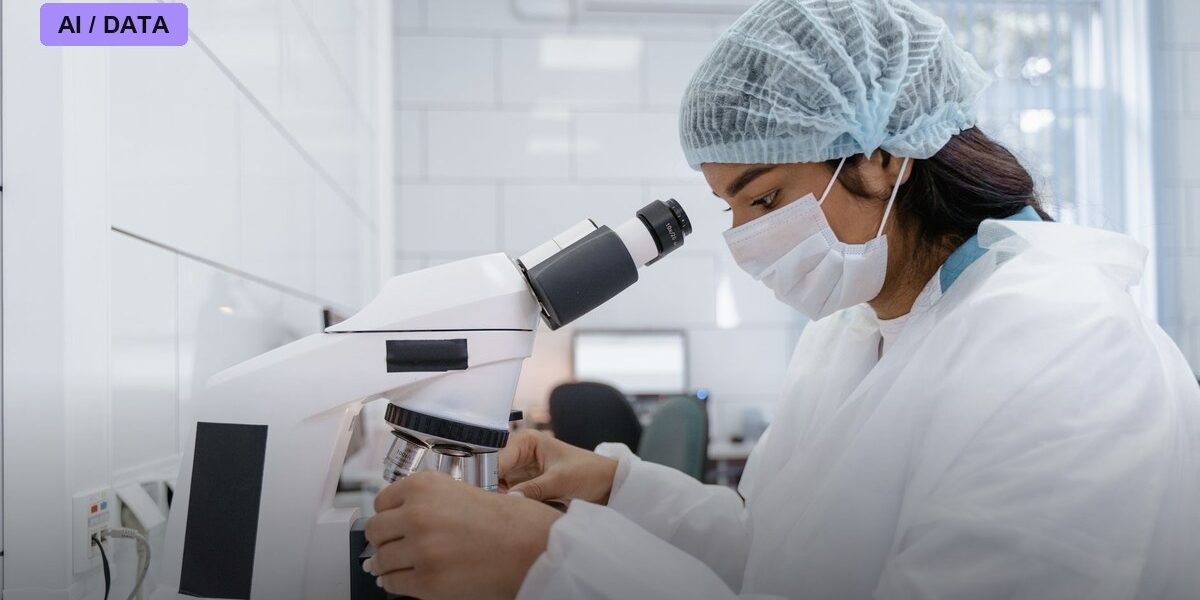
Photo: Tima Miroshnichenko / PEXELS via Pexels