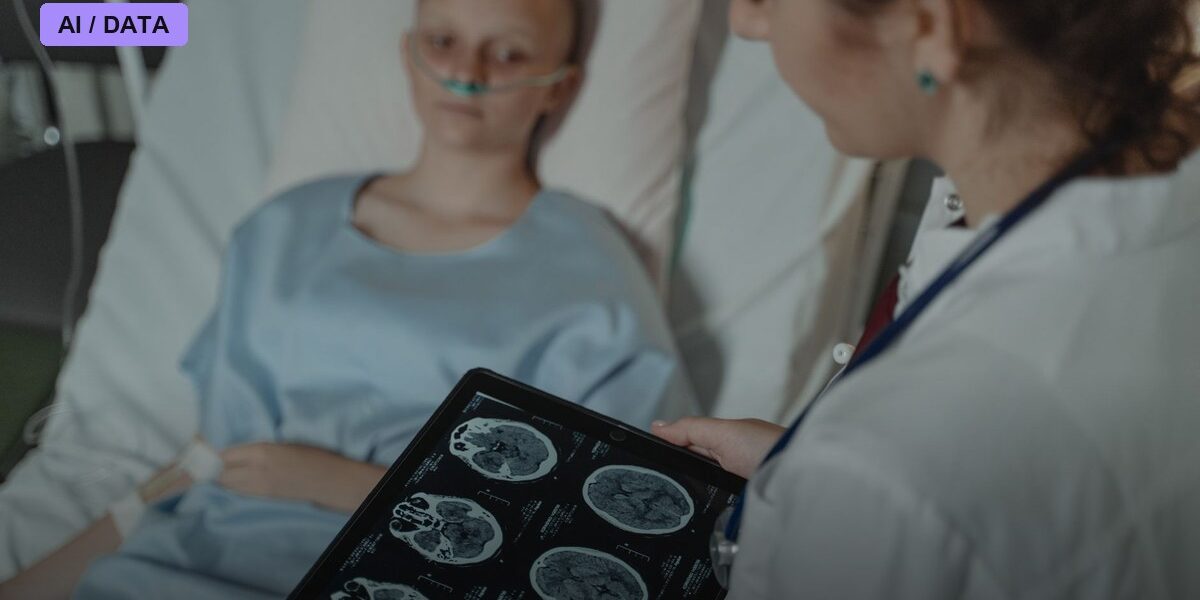
Brainomix, a company specializing in AI-powered imaging analysis for stroke and other acute conditions, has reported promising treatment-response signals among patients with severe stroke, drawn from an AI-based analysis of data collected during the Phase III CHARM clinical trial. The findings, reported in late October, suggest AI-derived imaging biomarkers may help identify which severe stroke patients are more likely to benefit from specific interventions.
Stroke treatment decisions, particularly for severe cases, often need to be made within a narrow time window where every additional minute of delay can affect how much brain tissue is salvageable. Tools that can rapidly analyze brain imaging and flag likely treatment responders have become an active area of AI development precisely because of how time-sensitive and high-stakes these decisions are.
What the CHARM trial was examining
While full trial details weren’t disclosed in initial coverage, Phase III stroke trials like CHARM typically evaluate a specific treatment intervention against standard care in a defined stroke patient population, measuring outcomes such as functional recovery and mortality. Brainomix’s contribution appears to be a retrospective AI analysis layered onto the trial’s existing imaging data, aiming to identify imaging-based patterns that correlate with which patients responded best to the treatment being studied.
Why imaging biomarkers matter for severe stroke specifically
Severe stroke patients represent a particularly challenging population for treatment decision-making, since the potential benefits of aggressive intervention must be weighed against meaningfully elevated risks of complications in patients with more extensive brain injury. An AI tool capable of identifying which severe stroke patients are most likely to benefit from a given treatment could help clinicians make more individualized decisions, rather than relying solely on broader population-level trial results that may not capture meaningful variation within the severe stroke subgroup.
Brainomix’s existing track record
Brainomix has built its business around AI imaging tools for acute stroke care, with products already in clinical use at hospitals in multiple countries to help emergency physicians rapidly assess stroke imaging and determine treatment eligibility. The company’s work on the CHARM trial data extends that core focus into a more specific question: not just whether a patient is eligible for a given treatment, but how likely they are to actually benefit from it based on imaging characteristics.
The evidence still needed
Retrospective AI analyses of existing trial data, while useful for generating hypotheses about treatment-response biomarkers, typically require prospective validation — testing whether the AI-identified signal actually predicts outcomes when applied to new patients in real time — before they can influence clinical practice guidelines. Brainomix’s reported findings represent an early, promising signal rather than a finished clinical tool ready for widespread deployment.
Where this fits in the broader AI stroke care landscape
The findings add to a growing body of research applying AI to acute neurological care, an area that has drawn less public attention than AI applications in cancer screening or chronic disease management but carries similarly high stakes given how directly stroke treatment timing affects long-term patient outcomes. As with other AI diagnostic and prognostic tools, independent validation across multiple hospital settings will be key to determining whether these treatment-response signals hold up outside the original trial dataset.
What’s next
Brainomix is likely to pursue prospective validation studies to confirm whether the AI-identified treatment-response signals from the CHARM trial analysis can reliably guide real-time clinical decisions for new severe stroke patients. If validated, the approach could eventually be incorporated into the company’s existing suite of stroke imaging tools already deployed in emergency stroke care settings.
Photo: Tima Miroshnichenko / PEXELS via Pexels