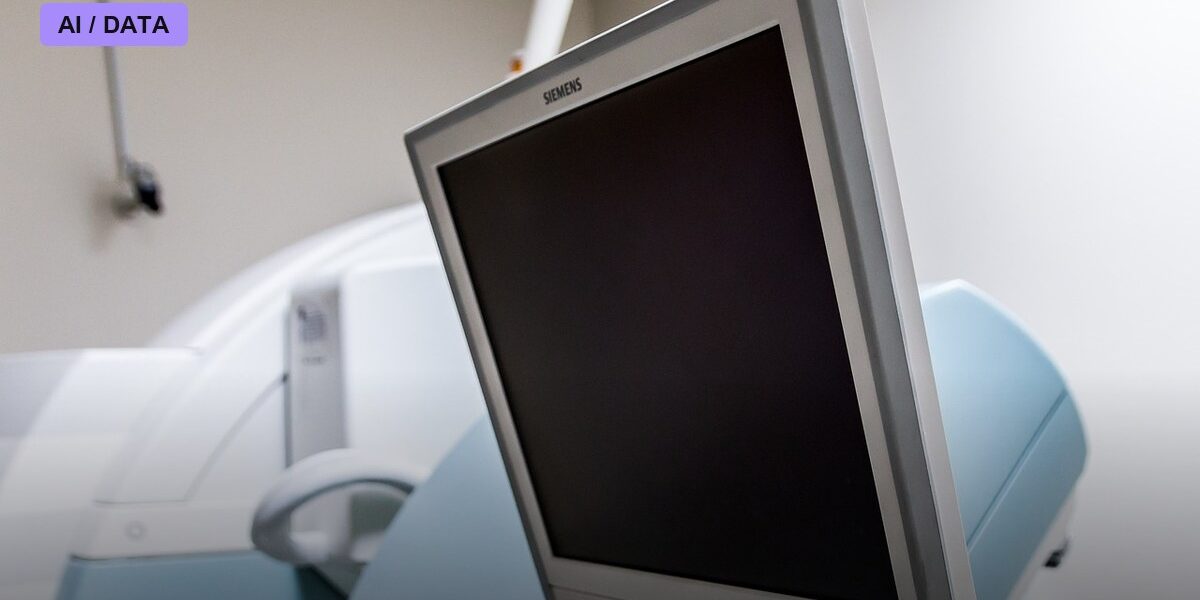
Spanish medical imaging AI company Quibim has made its QP-Prostate software available to healthcare organizations across North America through Microsoft’s Precision Imaging Network, a distribution partnership that gives the AI tool access to a broader base of U.S. and Canadian hospital systems than it could likely reach through direct sales alone. The tool is designed to analyze prostate MRI scans and help standardize detection of suspicious lesions that may indicate prostate cancer.
The Problem QP-Prostate Addresses
Prostate MRI interpretation has historically suffered from significant variability between radiologists, with studies showing meaningful differences in how different physicians score the same scans using the standard Prostate Imaging Reporting and Data System framework used to assess cancer risk. QP-Prostate aims to reduce that variability by providing a consistent, algorithm-driven second assessment that radiologists can use alongside their own clinical judgment, potentially improving diagnostic consistency across different reading physicians and institutions.
Why Microsoft’s Distribution Channel Matters
Microsoft’s Precision Imaging Network functions as a marketplace and integration platform that connects specialized medical imaging AI developers like Quibim with healthcare organizations already using Microsoft’s cloud infrastructure, offering smaller AI companies a faster path to hospital system adoption than building out independent sales and integration capabilities from scratch. For Quibim, a company with roots in European medical imaging research, the partnership provides a meaningful entry point into the large and lucrative North American healthcare AI market.
Prostate Cancer Screening Context
Prostate cancer remains one of the most commonly diagnosed cancers among men, and MRI-based screening has grown in importance as an alternative or complement to traditional biopsy-first approaches, partly because it can help identify which patients have lesions concerning enough to warrant biopsy while potentially sparing others from unnecessary invasive procedures. Tools like QP-Prostate that improve the consistency of MRI interpretation could meaningfully affect how confidently clinicians make these biopsy referral decisions.
Competitive and Regulatory Context
Quibim’s tool enters a prostate imaging AI market that includes other specialized players, and its availability through Microsoft’s platform follows a broader pattern of AI radiology companies seeking distribution partnerships with major cloud providers to accelerate adoption, similar to arrangements other imaging AI developers have pursued with competing cloud platforms. Regulatory clearance status and the specific scope of QP-Prostate’s approved use cases remain important details that healthcare organizations evaluating the tool would need to confirm before clinical deployment.
Skepticism About Standardization Claims
Some radiologists caution that AI tools claiming to reduce interpretation variability need robust, independent validation across diverse patient populations and scanner types before claims of improved diagnostic consistency can be fully trusted, since algorithms trained on specific datasets may perform differently when applied to the varied imaging equipment and patient demographics found across different North American healthcare systems. Ongoing post-market surveillance and independent studies will likely be needed to confirm real-world performance matches the tool’s validation data.
What’s Next
Quibim is expected to pursue additional healthcare organization partnerships through the Microsoft platform following this initial North American availability, and uptake data from early adopting institutions will offer insight into whether the tool delivers on its promise of more consistent prostate MRI interpretation across different reading radiologists and care settings.
Photo: jarmoluk / PIXABAY via Pixabay