RevealDX has received FDA clearance for RevealAI-Lung, a diagnostic tool that generates a malignancy similarity score for lung nodules to help radiologists assess cancer risk, adding to a growing field of AI-powered lung cancer screening and diagnostic tools winning regulatory authorization in 2026.
The Clinical Problem RevealAI-Lung Addresses
Lung nodules are frequently discovered incidentally on chest CT scans performed for unrelated reasons, creating a persistent clinical challenge: most nodules are benign, but radiologists must determine which warrant further investigation such as biopsy versus which can be safely monitored, a judgment call that has historically relied heavily on individual radiologist experience and subjective risk assessment. RevealAI-Lung’s malignancy similarity score is designed to provide a standardized, data-driven second opinion to support that decision-making process.
How the Malignancy Similarity Scoring Works
Rather than providing a binary malignant-or-benign prediction, RevealAI-Lung’s approach reportedly compares a given nodule’s imaging characteristics against a database of previously characterized nodules with known outcomes, generating a similarity score that indicates how closely the nodule’s features resemble those historically associated with malignancy. This comparative approach is designed to give radiologists additional context rather than replace their clinical judgment entirely.
Context Within the Broader Lung Cancer AI Screening Push
RevealDX’s clearance follows Median Technologies’ eyonis LCS, which received FDA 510(k) clearance earlier in 2026 and was described as the first end-to-end AI detection and diagnosis device specifically targeting lung cancer screening, illustrating how multiple companies are racing to establish AI-powered tools across different stages of the lung cancer detection and diagnosis pipeline. Lung cancer remains one of the leading causes of cancer death globally, and earlier, more accurate detection has long been a priority for improving survival outcomes.
Why Radiologist Adoption Remains a Key Variable
Even with FDA clearance, the actual clinical impact of tools like RevealAI-Lung depends heavily on how readily radiologists incorporate AI-generated risk scores into their existing diagnostic workflows, a process that can face resistance if radiologists view the tools as adding complexity rather than confidence to their assessments. Studies of AI diagnostic tool adoption across other specialties have shown mixed results on whether such tools measurably improve diagnostic accuracy or simply add an additional data point clinicians may or may not weigh heavily.
Regulatory Context Shaping More Approvals
RevealDX’s clearance arrives amid an FDA regulatory environment that has become more accommodating of AI diagnostic software, including a revised clinical decision support guidance issued in January 2026 that allows certain software to offer a single clinically appropriate recommendation without automatic device regulation, though image-analysis-based diagnostic tools like RevealAI-Lung remain subject to full device oversight given the direct diagnostic claims involved.
What’s Next
Watch for hospital and radiology practice adoption data to emerge over the coming months, which will offer the clearest signal of whether RevealAI-Lung achieves meaningful clinical uptake. The broader competitive field of AI lung cancer screening and diagnostic tools, including Median Technologies’ eyonis LCS, will also continue to be a closely watched segment of the rapidly expanding AI medical device landscape.
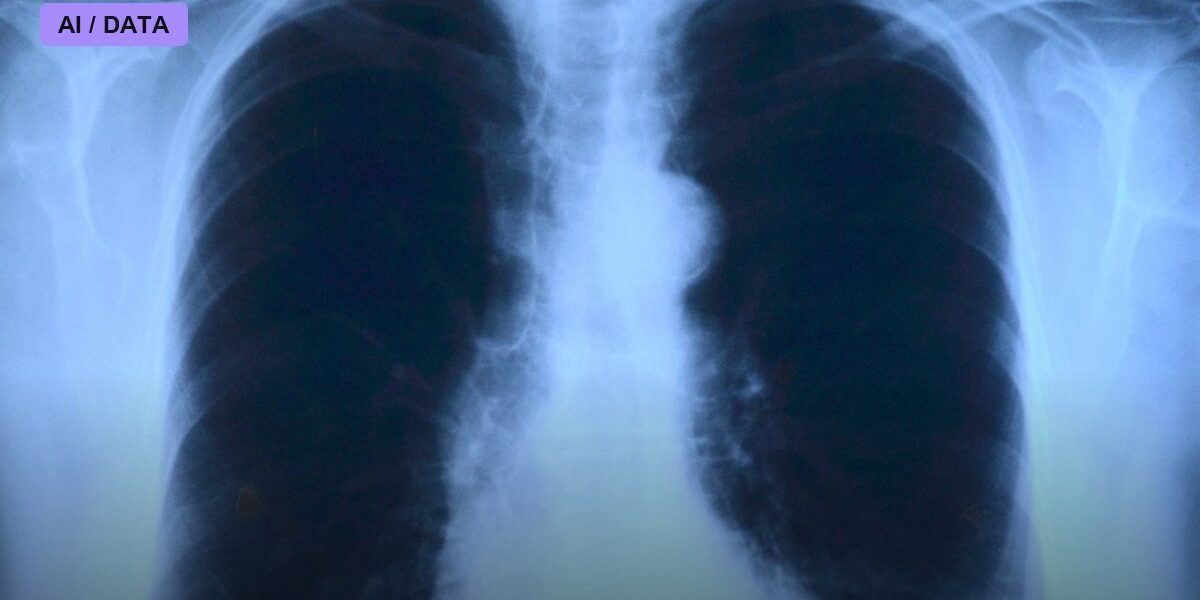
Photo: toubibe / PIXABAY via Pixabay