Doximity has launched DoseCheck, a new safety feature built into its physician-facing clinical decision support tool Doximity Ask, designed to catch dangerous medication-dosing errors generated by artificial intelligence before they ever reach a doctor’s screen. The company says the feature addresses a specific and measurable flaw in the current generation of general-purpose AI models: when asked for drug dosing information, those models get the answer wrong often enough, and sometimes dangerously so, to pose a real risk if physicians treat their output as reliable without independent verification.
The Problem DoseCheck Was Built to Solve
Doximity’s own research, released alongside the launch, found that popular general-purpose AI models produced incorrect medication dosing recommendations in at least 2.3% of tested queries, with some of those errors described internally as clinically dangerous rather than merely imprecise. That error rate might sound small, but at the scale of the millions of clinical queries physicians now route through AI assistants each month, even a low single-digit failure rate translates into a meaningful volume of wrong answers reaching exam rooms, particularly for high-risk drug classes like anticoagulants, chemotherapy agents and pediatric dosing, where a decimal-point error can be the difference between a therapeutic dose and a toxic one.
A Deterministic Check Layered on Top of the AI
Rather than relying on a second AI model to check the first one’s work, which would simply compound the same class of error, Doximity built DoseCheck as a deterministic, rule-based verification layer. Every dosing recommendation that Doximity Ask generates is now cross-checked against structured reference data, including FDA drug labeling and established clinical practice guidelines, before it is shown to the physician. If the AI-generated recommendation conflicts with that structured reference data, the system flags the discrepancy rather than silently returning a potentially wrong answer. Doximity reports that in its own testing, DoseCheck’s flagged findings were correct 99.9% of the time, though that figure comes from the company’s internal evaluation rather than independent peer review.
Free Rollout to All Users Signals a Competitive Strategy
Doximity has made DoseCheck available at no additional cost to all Doximity Ask users across both mobile and desktop, a decision that reflects the company’s broader strategy of competing on trust and safety rather than on model sophistication alone, at a moment when far larger AI companies are entering the clinical software market. Doximity’s leadership has previously signaled confidence in a physician-verified approach, positioning tools like Doximity Ask and its companion DoxGPT product as alternatives built specifically for clinical workflows rather than adapted from consumer-facing general-purpose chatbots.
Why This Matters as AI Giants Move Into Healthcare
The timing is notable. Major AI developers have been pushing general-purpose models deeper into clinical settings, and some hospital systems have begun piloting those tools for rapid reference lookups, including drug dosing questions that physicians once answered by consulting a pharmacist or a printed formulary. Doximity’s research implicitly argues that this substitution is premature: a model trained broadly on medical text can sound confident while still making specific numerical dosing errors, because fluent, well-structured language is not the same thing as a reliable calculation against a verified reference source. That distinction, between sounding right and being right, is exactly the gap DoseCheck is designed to close.
Skeptics Note the Claims Are Self-Reported
Independent researchers and health IT analysts have welcomed the feature’s intent while cautioning that Doximity’s 2.3% error rate and 99.9% accuracy figures both come from the company’s own research rather than a peer-reviewed, third-party study. Patient safety advocates argue the broader pattern, AI vendors citing their own benchmarks to market safety features, underscores the need for standardized, independently administered testing protocols for clinical AI tools, something neither the FDA nor any professional body currently mandates uniformly across the fast-growing category of AI-based clinical decision support software.
What Happens Next
Doximity has said it plans to expand the structured-verification approach behind DoseCheck to other categories of clinical AI output beyond dosing, including drug interaction warnings and dosing adjustments for renal or hepatic impairment, areas where the same gap between fluent language and verified fact carries similarly high stakes. Whether other clinical AI vendors follow with their own deterministic verification layers, or whether regulators eventually require independent validation of error-rate claims before features like DoseCheck can be marketed as safety tools, will likely shape how quickly hospitals trust AI-generated clinical answers enough to reduce the pharmacist and nursing double-checks that currently serve as the last line of defense against dosing mistakes.
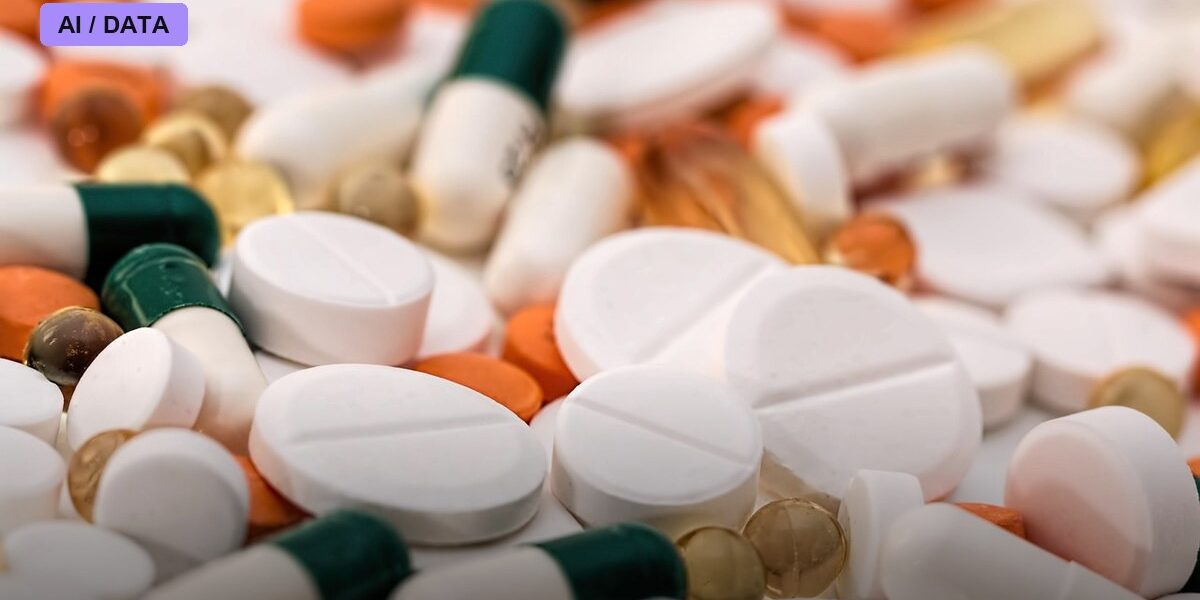
Photo: stevepb / PIXABAY via Pixabay